Rising Tensions in the Middle East: Israel’s Sudden Strike on Iranian Targets
On June 13, 2025, Israel launched an unexpected and large-scale military campaign against several Iranian locations, including strategic military installations, nuclear facilities, and civilian infrastructure. According to Iranian health officials, this assault resulted in at least 935 deaths and left more than 5,300 people injured.
Immediate Aftermath and Regional Retaliation
The Israeli offensive provoked swift counterattacks from Iran. Tehran responded with missile barrages and drone strikes targeting Israeli cities and military sites. Research conducted by the Hebrew University of Jerusalem estimates that these retaliatory actions caused around 29 fatalities and over 3,400 injuries within Israel. The hostilities eventually de-escalated following a ceasefire agreement brokered by the United states on June 24, which has largely held since then.
Global Reactions: BRICS+ Voices Concern
In response to the escalating conflict, representatives from eleven BRICS+ nations gathered in Rio de Janeiro to discuss the crisis. The coalition issued a firm condemnation of what they described as breaches of international law due to airstrikes on Iran’s sovereign territory.
- The statement criticized attacks on peaceful nuclear facilities without explicitly naming Israel or its ally.
- It expressed serious alarm over damage inflicted upon civilian infrastructure alongside nuclear sites.
- This collective diplomatic stance represented a notable show of support for Tehran amid limited backing from other global powers during this intense twelve-day confrontation.
Iran’s Official Stance: Demanding Justice for violations
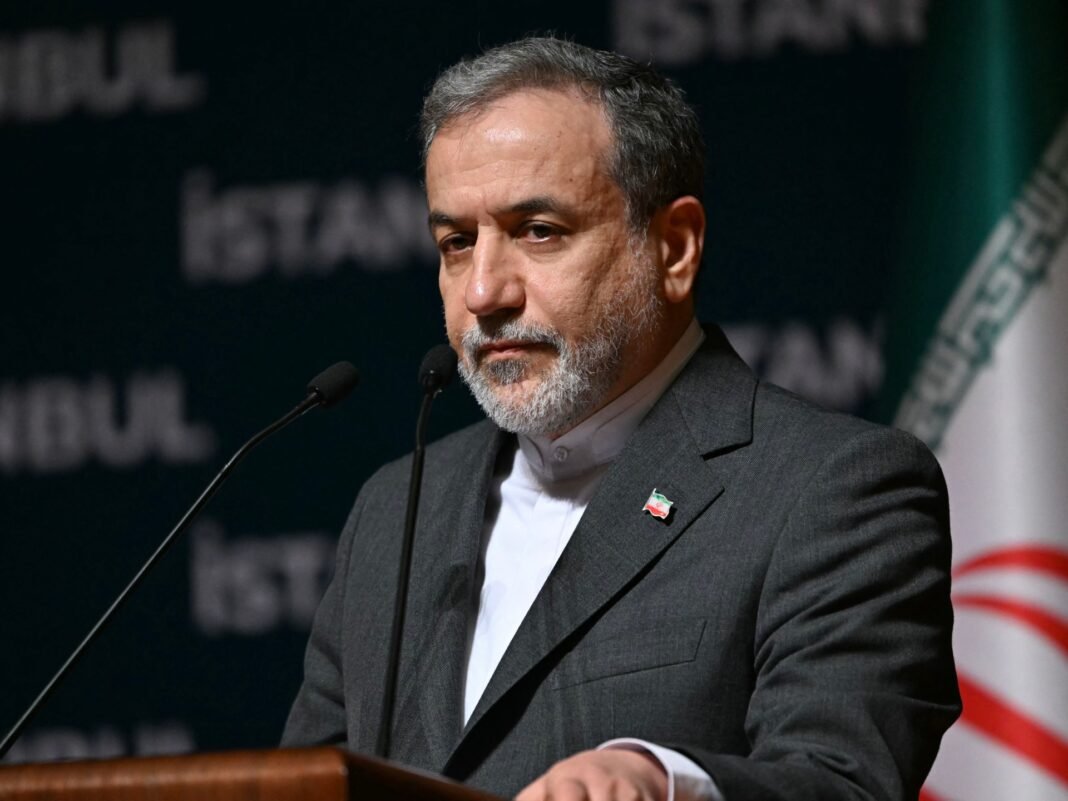
Iranian Foreign Minister Abbas Araghchi condemned Israel’s actions as violations of both the Nuclear Non-Proliferation treaty (NPT) and United Nations security Council Resolution 2231-agreements that had previously endorsed Iran’s peaceful nuclear program since 2015 through international consensus. He further accused Washington of full complicity due to its cooperation with Israeli forces in what he labeled an aggressive war against Iran.
“If those responsible are not held accountable,” Araghchi declared at an international summit in Brazil, “the repercussions will extend far beyond our region.”
An Examination of Targeted Facilities
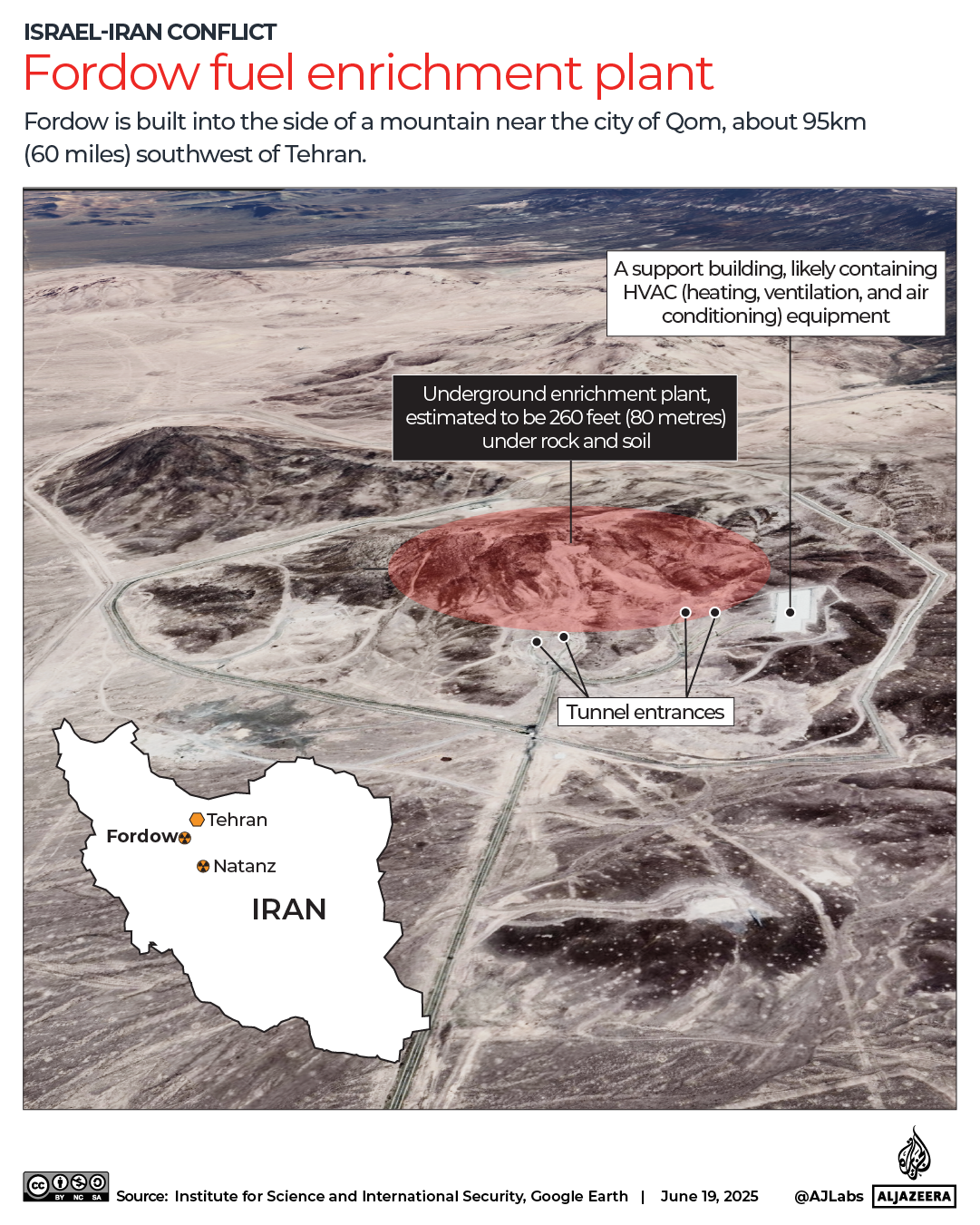
The airstrikes concentrated primarily on critical uranium enrichment plants such as Natanz, Fordow, and Isfahan-sites integral to Iran’s stated civilian energy goals but long suspected internationally for potential weapons advancement. Satellite images captured after the attacks reveal extensive damage consistent with precision strikes aimed at disrupting uranium processing while avoiding widespread radioactive contamination or collateral destruction.
Civilian Impact and Wider Regional Implications
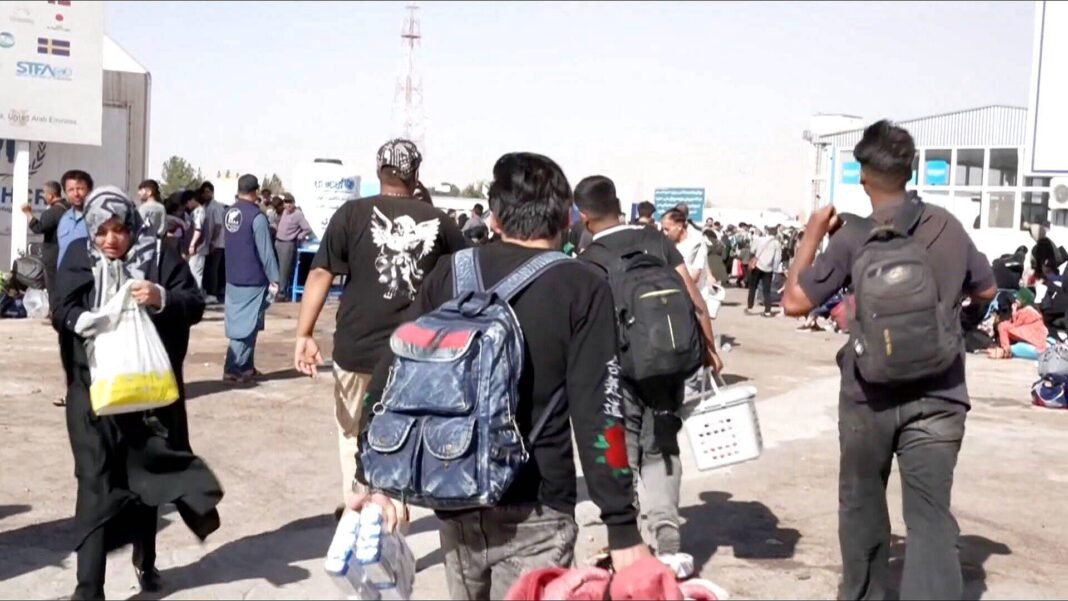
This conflict highlights how modern warfare increasingly blurs distinctions between military targets and civilian harm. Beyond immediate casualties:
- Damage to essential services such as water supply networks and electrical grids threatens daily life across affected areas;
- The psychological trauma experienced by local populations exacerbates instability within already fragile communities;
- Nations bordering Iran express growing concern about potential spillover effects that could ignite broader confrontations throughout West Asia;
- This episode underscores persistent challenges facing global non-proliferation efforts amid intensifying geopolitical rivalries surrounding sensitive technologies like nuclear energy production.
A Turning Point in Middle Eastern Diplomacy?
This recent escalation reflects evolving dynamics within international alliances like BRICS+, where emerging powers increasingly contest Western-dominated perspectives on security issues involving Iran. As tensions simmer beneath formal diplomatic channels worldwide,analysts warn that neglecting underlying causes risks perpetuating cycles of violence with profound consequences for peace prospects across multiple regions globally.