Increasing Strain on Afghan Migrants as Iran Tightens Immigration Controls
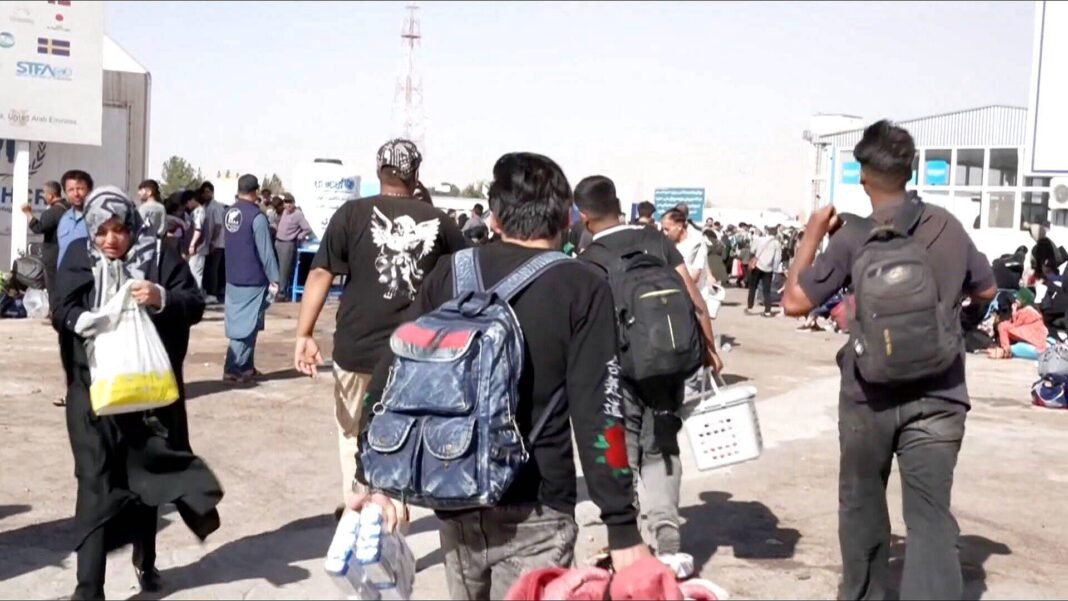
In recent times, Iran has escalated its immigration enforcement efforts, resulting in the displacement of thousands of Afghans who are being sent back to their homeland amid rising domestic tensions. This marks a notable departure from Tehran’s earlier relatively lenient approach toward Afghan refugees seeking safety and economic opportunities within its borders.
Evolution of Afghan Migration Patterns into Iran
For more than 40 years, millions of afghans fleeing war and poverty have crossed into Iran hoping for security and better livelihoods. Initially met with tolerance or acceptance, public opinion in Iran has shifted sharply due to mounting economic difficulties at home. Growing unemployment and inflation-recently surpassing 40%-have intensified resentment against undocumented migrants living within Iranian communities.
This shift in sentiment has prompted Iranian authorities to adopt more rigorous policies aimed at undocumented Afghan migrants. Consequently,many face forced returns despite ongoing instability and insecurity persisting across Afghanistan.
The Complex Reality for Returning Afghans Under Taliban Governance
Although the Taliban government officially supports repatriation efforts, conditions remain fragile for those returning. Many encounter severe limitations accessing essential services such as healthcare and education while contending with widespread poverty throughout Afghanistan’s provinces.
Statistics reveal that nearly 600,000 afghans were either deported or voluntarily repatriated from neighboring countries during 2023 alone-a stark indicator of the magnitude of this humanitarian crisis.
main Obstacles Confronting Returnees
- High Unemployment: With joblessness exceeding 30%, reintegrating into local economies proves extremely challenging for returnees seeking stability.
- Diminished Rights: Women and ethnic minorities frequently face increased discrimination under current political structures limiting their social participation.
- Deteriorated Infrastructure: Years of conflict have severely damaged critical infrastructure necessary for rebuilding communities and livelihoods.
the Importance of International Assistance Amid Forced Returns
The global community holds a vital responsibility in alleviating hardships experienced by displaced populations compelled to return under tough circumstances.Humanitarian interventions focusing on shelter provision, food security programs, healthcare access, and educational support can considerably ease reintegration challenges faced by these vulnerable groups.
“Effective solutions depend on collaborative initiatives between host nations like Iran alongside international partners dedicated to safeguarding displaced individuals,” experts highlight.
A Framework for Comprehensive Action
- Diplomatic Cooperation: Promoting sustained dialog among regional governments to establish migration policies that uphold human rights principles;
- Sustainable Economic Development: Investing in job creation schemes within Afghanistan designed specifically to absorb returning workers;
- Civil Society Strengthening: Empowering grassroots organizations advocating inclusion for marginalized populations during reconstruction processes;
navigating an Uncertain Future Amid Persistent Challenges
The predicament facing afghan migrants caught between intensifying expulsion pressures abroad-exemplified by Iran’s tightening border controls-and ongoing turmoil at home remains deeply complex.As inflation soars above 40% inside Iran itself,questions about adequate protection mechanisms grow increasingly urgent worldwide.
Tackling these intertwined issues requires innovative strategies rooted both in compassion and pragmatic policymaking aimed not only at managing migration flows but also fostering long-term peacebuilding and sustainable development throughout Afghanistan’s fractured landscape.