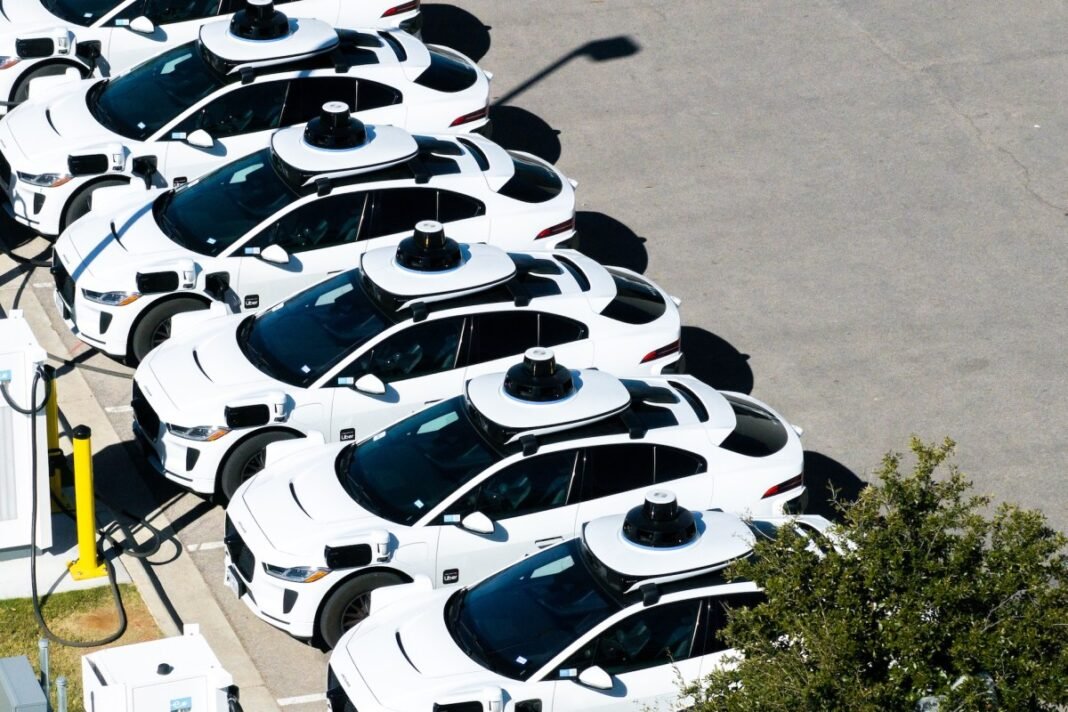
Waymo Introduces Robotaxi Service at San Francisco International Airport
Breaking New Ground in Autonomous Transportation
Following prolonged discussions and overcoming multiple obstacles, Waymo has officially launched its robotaxi operations at San Francisco International Airport (SFO). This Alphabet-owned autonomous vehicle pioneer is initially providing rides to a select group of users, with intentions to open the service to the general public soon.
Service overview and Future Expansion
The current designated location for pickups and drop-offs is the Rental Car Center, accessible via SFO’s AirTrain system. Waymo plans to extend its coverage within additional airport zones as part of a broader expansion strategy aimed at enhancing passenger convenience.
The Strategic Value of Airport Integration
Gaining access to major transportation hubs like SFO is crucial for Waymo’s growth model, which relies on scaling operations across extensive regions while maintaining high ridership levels. Establishing a presence in one of California’s busiest airports solidifies their position in key urban transit networks.
Recent Advances Across U.S. Urban Markets
In the last 12 months,Waymo has accelerated its footprint by entering new metropolitan areas,expanding its fleet size substantially,and improving autonomous driving capabilities on highways. Their robotaxis now operate throughout much of the San Francisco Bay Area-including Silicon Valley-and provide service at San jose Airport. Additionally, they serve parts of Atlanta, austin, Los Angeles, Miami, and Phoenix; notably offering curbside pickup at Phoenix sky Harbor International Airport.
A Complex Path Toward SFO Authorization
The journey toward securing operational approval at SFO was challenging. In 2023 alone,initial permit requests for airport mapping were rejected. However, renewed negotiations with city officials and airport authorities in early 2025-alongside agreements on data-sharing protocols-enabled waymo to begin mapping critical airport zones.
This progress culminated in September 2025 when both parties signed a pilot permit allowing testing phases that paved the way for full commercial deployment shortly thereafter.
Tackling Safety challenges Amid Rapid Growth
The rollout coincides with heightened scrutiny following safety incidents involving Waymo vehicles elsewhere. For example, an incident occurred near an elementary school in Santa Monica where a robotaxi struck a child; fortunately injuries were minor but triggered investigations by federal agencies including NHTSA (National Highway Traffic Safety administration). Additional concerns have been raised about some autonomous vehicles’ interactions around school buses operated by Waymo’s fleet.
navigating Public Confidence While Innovating
As autonomous ride-hailing services expand swiftly-with global market forecasts projecting revenues surpassing $60 billion annually by 2030-the industry faces increasing pressure to uphold rigorous safety standards while broadening accessibility across urban centers and critical transit points such as airports.
The Future Landscape of Urban Mobility Powered by AI
This latest development underscores how embedding self-driving technology into everyday travel infrastructure can transform passenger experiences through enhanced convenience and efficiency gains-especially when connecting vital nodes like airports with surrounding metropolitan areas via seamless robotic taxi services driven by sophisticated artificial intelligence systems.