Rising Crude Oil Prices Amid Escalating Middle East Tensions
Crude oil prices surged dramatically by more than 8% on Sunday evening, fueled by growing fears that the conflict involving the U.S. and Iran could escalate further, potentially causing major interruptions to global oil supply chains.
Immediate Market Response: Significant Price Jumps
By early evening Eastern Time, U.S. crude futures had jumped $5.55 to close at $72.57 per barrel,representing an increase exceeding 8%. Simultaneously, Brent crude-the global benchmark-rose nearly 9%, or $6.54, settling at $79.41 per barrel.
The Strait of Hormuz: A Vital Passage Under Pressure
The Strait of Hormuz remains a critical maritime corridor for energy shipments worldwide. In 2025 alone, over 14 million barrels per day passed through this narrow channel according to recent energy data-supplying key economies such as China, India, Japan, and South Korea with approximately three-quarters of their seaborne crude imports.
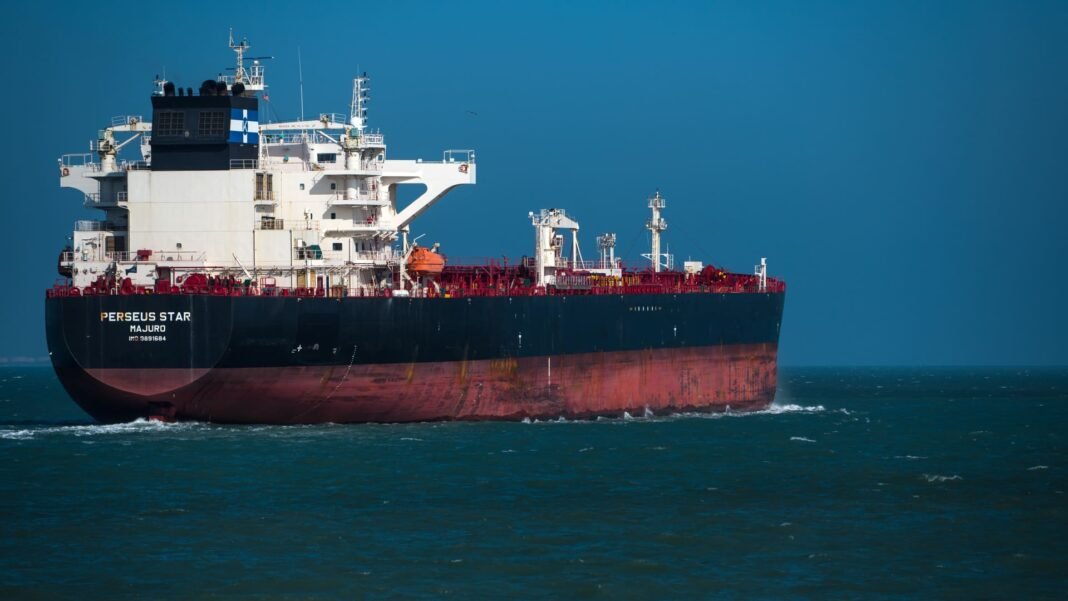
Currently, tanker traffic near the strait has come to a near halt as shipping companies exercise extreme caution amid rising geopolitical risks; vessels are reportedly queuing but hesitant to transit due to security concerns.
“There is a clear reluctance among operators; tankers are gathering near Hormuz but none seem willing to navigate through at present,” observed an industry analyst monitoring regional shipping patterns.
Geopolitical Uncertainty Threatens Oil Production Stability
A recent series of airstrikes attributed to U.S. and Israeli forces reportedly resulted in the death of Iran’s Supreme Leader along with several senior officials within its leadership hierarchy-a development that casts doubt on who will control Iran’s significant oil reserves moving forward.This is especially significant given Iran’s position as OPEC’s fourth-largest producer.
The future stability of oil markets heavily depends on whether these tensions lead to prolonged disruptions in shipments passing through the Strait of Hormuz-a chokepoint responsible for nearly one-third of all seaborne crude exports globally.
Potential fallout from Leadership Ambiguity in Tehran
The uncertainty surrounding governance in tehran has sparked concerns about internal unrest including possible labor strikes across vital oil-producing regions and port facilities-factors that could drastically reduce Iranian exports currently estimated around 3.3 million barrels daily.
- A leading financial institution warns Brent crude prices could surpass $100 per barrel if Middle East hostilities intensify;
- An investment bank projects spot prices might exceed $120 should supply interruptions become severe;
- This volatility underscores widespread uncertainty regarding both the duration and broader impact any disruption may have on global energy markets.
“The implications for global oil markets are profound,” says a senior market strategist. “We face scenarios where worst-case outcomes may unfold.”
Diplomatic signals Amidst military Operations
The U.S. administration has indicated military actions will continue until strategic objectives are met; however, there remains openness toward diplomatic engagement if Iranian leaders express willingness for dialog-a stance that leaves room for potential de-escalation without triggering extended supply shocks.
“They want talks; I have agreed to talk,” a statement from U.S leadership emphasized.“our operations remain ahead of schedule.”
Evolving Market Outlook: Key Factors Ahead
The speed at which tanker traffic resumes normal flow through Hormuz alongside any retaliatory measures taken by Iran will be crucial determinants influencing short-term price fluctuations according to market analysts led by Henri Patricot from UBS.

This unfolding situation highlights how geopolitical risks continue shaping energy markets worldwide-with historical parallels seen during events like the Gulf War in 1990 when threats against critical chokepoints caused price surges exceeding 40% within weeks due to disrupted flows through key ports and pipelines across Kuwait and Saudi Arabia’s eastern region.
This Year’s Volatility Reflects Heightened Global Energy Risks
The ongoing instability contributes significantly toward increased price swings throughout this year as traders react swiftly not only based on current events but also anticipating potential future disruptions affecting supply-demand balances globally across multiple sectors reliant on stable energy access.