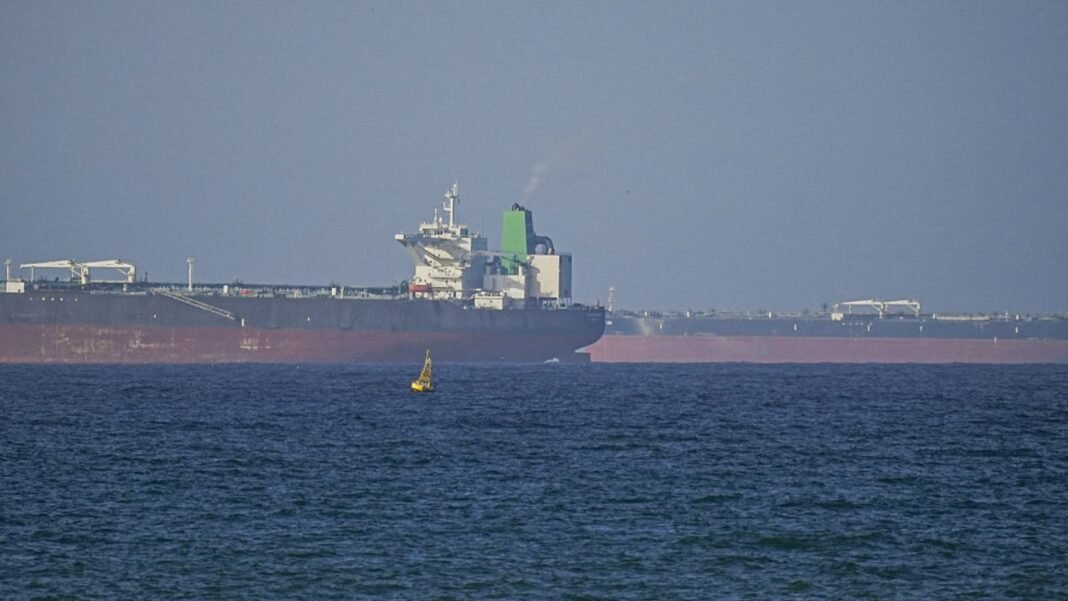
Important Disruptions in Strait of Hormuz Shipping Amid Escalating U.S.-Iran Tensions
Shipping activity through the Strait of Hormuz has drastically diminished as rising tensions between the United States and Iran escalate. recent vessel tracking indicates that only two ships are currently navigating this vital maritime corridor, highlighting a severe slowdown in oil transit.
Minimal Vessel Traffic Signals Intensified Regional Conflict
Maritime surveillance reports show that the tanker Race recently departed the strait en route to India, while the cargo vessel Neshat entered Iranian territorial waters. These scarce movements illustrate how commercial shipping is being heavily constrained amid ongoing military posturing.
The Effects of U.S. Naval Blockade on Shipping Patterns
The United States launched a naval blockade targeting Iranian ports earlier this week, now extending into its fourth day. This action has forced at least 14 vessels to alter their routes away from Iranian waters, according to defence sources. In retaliation, Iran has threatened to close critical maritime passages including sections of the Persian Gulf, Gulf of Oman, and Red Sea-steps that could further disrupt international trade networks.
Dramatic Decline in Tanker Transit Amid Strategic Standoff
This confrontation represents one of the most significant interruptions ever recorded along key oil supply routes. Before these developments, nearly 20% of global crude shipments passed daily through this narrow channel-a crucial lifeline for energy markets worldwide.
- Very Large Crude Carriers (VLCCs), such as vessels named RHN and Alicia earlier this week, managed rare entries into the Persian Gulf despite heightened risks; these tankers typically carry about two million barrels each.
- the sharp drop in tanker traffic threatens to intensify fluctuations in global energy prices already unsettled by geopolitical instability elsewhere.
Wider Economic Implications and Threats to Global Energy Stability
The near halt at one of the world’s busiest chokepoints for crude oil raises alarms over long-term supply chain durability. Experts caution that sustained disruptions could drive fuel prices upward globally and accelerate transitions toward alternative energy sources or new infrastructure like pipelines circumventing contested zones.
“the strategic value of the Strait cannot be overstated-it remains a pivotal hub for international commerce whose stability directly impacts economic conditions across multiple continents,” analysts emphasize based on recent market trends.