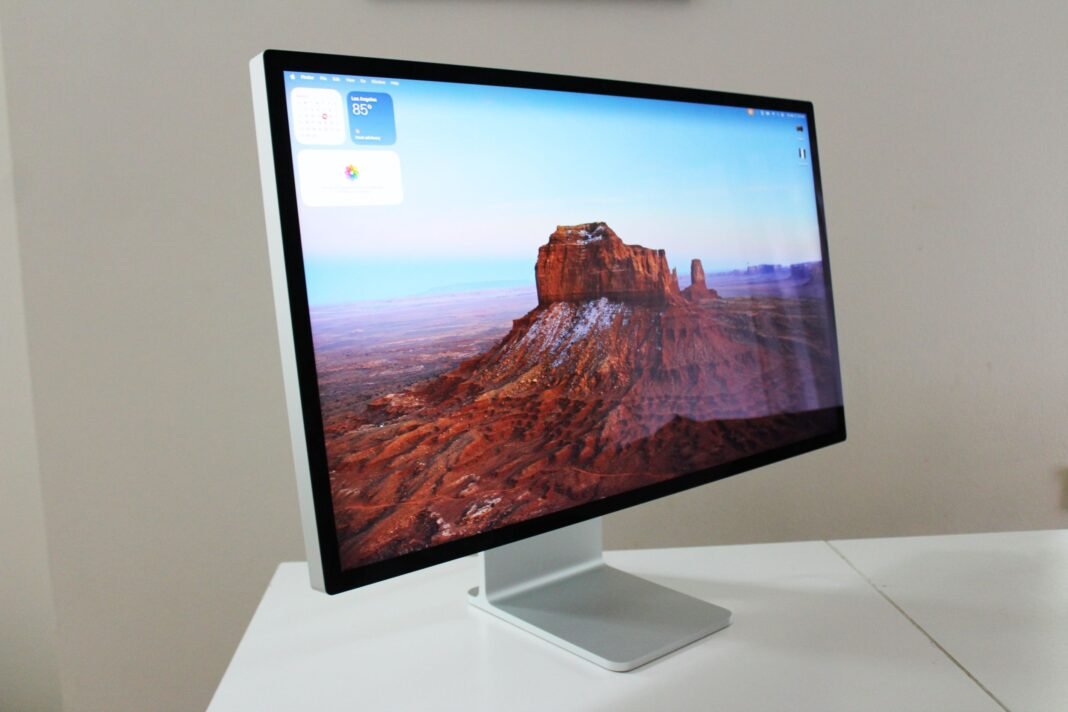
Introducing the Studio Display XDR: Setting a New Standard in HDR Excellence
Remarkable brightness and contrast are fundamental to delivering superior HDR visuals, and the Studio Display XDR stands out by mastering both. While increasing local dimming zones enhances HDR fidelity, it is the synergy with peak luminance that truly distinguishes this display from its peers.
Unmatched Brightness Capabilities
The Studio Display XDR achieves an impressive peak brightness of up to 2000 nits as per official specifications. Independant tests confirm it reaches nearly 1900 nits within a 25% window-an extraordinary achievement for any desktop monitor. Even when illuminating almost half the screen (49%),it maintains a remarkable 1700 nits,while full-screen brightness peaks close to 950 nits. This performance eclipses many competitors; for instance, the LG UltraFine OLED Pro typically maxes out around 900 nits in small areas, and most consumer OLEDs rarely exceed these levels.
even though OLED technology still leads in contrast ratios due to its self-emissive pixels offering perfect blacks and infinite contrast, professionals working with HDR content will appreciate how the Studio Display XDR’s high sustained luminance benefits larger scenes. For comparison, some premium QD-OLED monitors hit about 1000 nits but onyl over tiny portions of their screens (around 1%), limiting their impact on expansive visuals.
Optimized Performance for SDR Content
The majority of users will primarily view standard dynamic range (SDR) material on this display rather than HDR content. In SDR mode under typical lighting conditions, measured brightness averages around 460 nits; however, ambient light sensors can boost output up to nearly 1000 nits automatically when needed-though manual control over this feature is unavailable.
The color precision remains exceptional with an average delta-E error near 0.75 according to professional calibration tools-a level deemed excellent for most creative tasks. Though, AdobeRGB coverage sits at approximately 88%, which falls short compared to some OLED displays that frequently enough surpass 95% coverage.
Hardware Compatibility and Refresh Rate Constraints
This monitor has specific compatibility considerations worth noting before purchase: Intel-based Macs are not supported at all-a relevant factor mainly affecting owners of older Mac Pro models discontinued recently.
A notable limitation involves refresh rates: despite advanced panel capabilities supporting higher frequencies,Macs equipped with M1 Pro,Max or Ultra chips are capped at a maximum output of just 60 Hz. This means even powerful systems like the M1 Ultra Mac Studio cannot leverage smoother motion rates such as native or adaptive refresh rates above this threshold-a drawback for users seeking ultra-fluid visuals during video editing or gaming sessions.
Laptop Charging via USB-C: Power Delivery Limits
The rear panel includes multiple USB-C ports; one supports power delivery designed to charge connected laptops through a single cable connection-a convenience increasingly common among modern displays.
This port delivers up to 96 watts, sufficient for many devices but less than chargers bundled with high-performance laptops like Apple’s own 16-inch MacBook Pro, which uses a robust 140-watt charger. As a result, charging speeds may slow during intensive workloads such as video rendering or gaming on machines powered by chips like Apple’s M5 Max processor-where maintaining battery levels can become challenging without external power sources providing higher wattage.
Evolving Market Context and Pricing Considerations
The premium pricing reflects apple’s focus on professionals requiring specialized features rather than mass-market appeal. Over recent years true HDR-capable monitors have become more accessible thanks to advances in Mini-LED and OLED technologies now widely available at competitive prices-the exclusivity once associated with such displays has diminished considerably since their introduction roughly seven years ago.
This trend owes much to growing demand from PC gamers who popularized affordable yet effective OLED panels offering genuine high dynamic range performance alongside vivid colors and deep blacks-features no longer confined solely within niche professional equipment segments.
A Distinctive Offering Amidst Competition
The core strength of the Studio Display XDR lies not only in raw specifications but also how effectively it delivers immersive HDR experiences across diverse creative workflows-from photography studios requiring precise highlight detail reproduction through cinematic post-production environments demanding consistent luminance uniformity across large screens.
“While undeniably powerful within its specialized segment,
The Studio Display XDR may not transform mainstream workflows,
Yet remains an impressive tool where accuracy is paramount.”
Who Benefits Most from Choosing the Studio Display XDR?
- If your projects demand extreme peak brightness combined with accurate color fidelity:
This display offers unparalleled advantages especially when managing complex HDR work involving detailed shadow recovery alongside radiant highlights. - If you require refresh rates beyond standard limits:
Be aware current hardware restrictions limit usage mostly below industry-leading frame rates despite panel capability. - If budget constraints influence your decision:
consider alternative Mini-LED or OLED options delivering solid performance without premium pricing. - If fast laptop charging during heavy workloads matters greatly:
Supplemental chargers might be necessary since integrated USB-C power delivery maxes out below some device requirements.
Taken together these factors clarify where exactly this flagship fits into today’s diverse ecosystem of professional-grade monitors optimized technically and economically across different user needs worldwide-including those pushing creative boundaries while balancing practical daily demands effectively.