Renewed oil Transit Through the Strait of Hormuz Calms Market Volatility
Maritime Traffic Resumes After Extended Halt
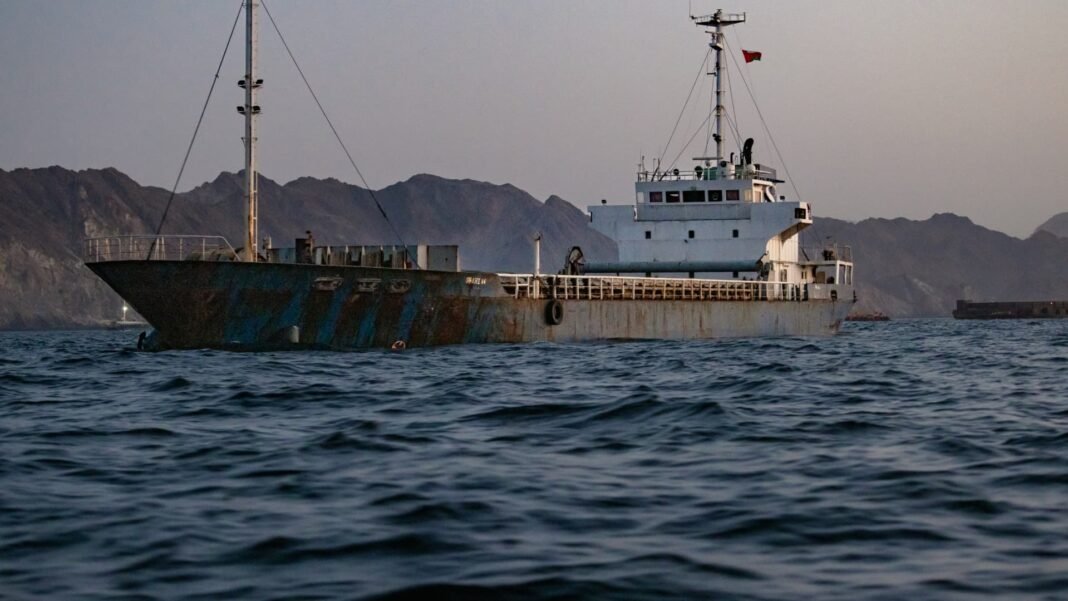
Following several months of inactivity, oil tankers and cargo vessels have started departing from Sultan Qaboos port in Muscat, Oman, marking a pivotal revival in shipping through the Strait of Hormuz. This narrow but vital passageway channels nearly 20% of global petroleum liquids, according to the latest International Energy Agency (IEA) figures. The route had been effectively closed since early this year due to escalating tensions between Iran and the United States.
Decline in Oil Prices Reflects Reduced Supply Fears
The reopening of this key maritime corridor has triggered a noticeable drop in crude oil prices. U.S. West Texas Intermediate (WTI) futures for August delivery decreased by about 1.3%, settling near $69 per barrel, while Brent crude fell roughly 1.7%, trading just under $72.50 per barrel-levels reminiscent of those before February’s geopolitical flare-up.
Tanker Movements resume with Ample Cargo Loads
Since Washington and Tehran agreed to lift restrictions on navigation through the strait, over 20 oil tankers carrying more than 35 million barrels have successfully passed through this chokepoint after being stranded for over three months due to Iran’s blockade at conflict onset. These shipments are primarily destined for Asian markets with expected arrivals by early August.
Strategic Meaning and Ongoing Risks at Hormuz
- The Strait serves as a critical link connecting Persian Gulf oil producers with global consumers; any disruption here can swiftly influence worldwide energy prices.
- A single day’s closure could halt approximately 18 million barrels per day (bpd), representing about one-fifth of seaborne oil trade globally based on recent OPEC data from early 2024.
- this incident underscores how regional disputes continue shaping commodity markets despite diplomatic efforts aimed at maintaining stability.
“The gradual resumption offers hope for easing supply chain constraints but also highlights that vigilance remains crucial amid unresolved geopolitical tensions,” industry analysts observe.
Cautious Optimism Amid Lingering Geopolitical Challenges
Commodity traders note that pressure on curve-carry strategies-where investors exploit price differences between short- and long-term contracts-is easing following this de-escalation phase.Forecasts suggest brent crude may stabilize further within a $60-$65 per barrel range over the next six to twelve months as normal flow resumes along this essential route.
Persistent Warnings: Despite these encouraging signs, Iran’s Islamic Revolutionary Guard Corps Navy recently reiterated that only specific routes sanctioned by tehran are deemed safe within the strait’s waters; vessels deviating risk interception or confrontation, emphasizing ongoing uncertainties around one of energy’s most sensitive maritime corridors.
A Temporary Relief or Start of Lasting Stability?
This recent thaw provides some respite after months marked by volatility fueled not only by military clashes but also sanctions affecting Iranian exports and rising insurance premiums for ships operating nearby waters.However,market observers caution against interpreting short-term price dips during peak summer demand as permanent improvements given fragile peace conditions surrounding Hormuz-a channel narrowing to just about 21 miles wide at its slimmest point.