Iraq’s Political Stalemate: Challenges in Naming a New Prime Minister
Over five months have passed since Iraq’s parliamentary elections, yet the influential Shia coalition known as the Coordination Framework remains unable to agree on a prime ministerial candidate. This deadlock exposes deep-seated factional disputes and external pressures that continue to shape Iraq’s delicate political surroundings.
Internal Divisions Within the Coordination Framework
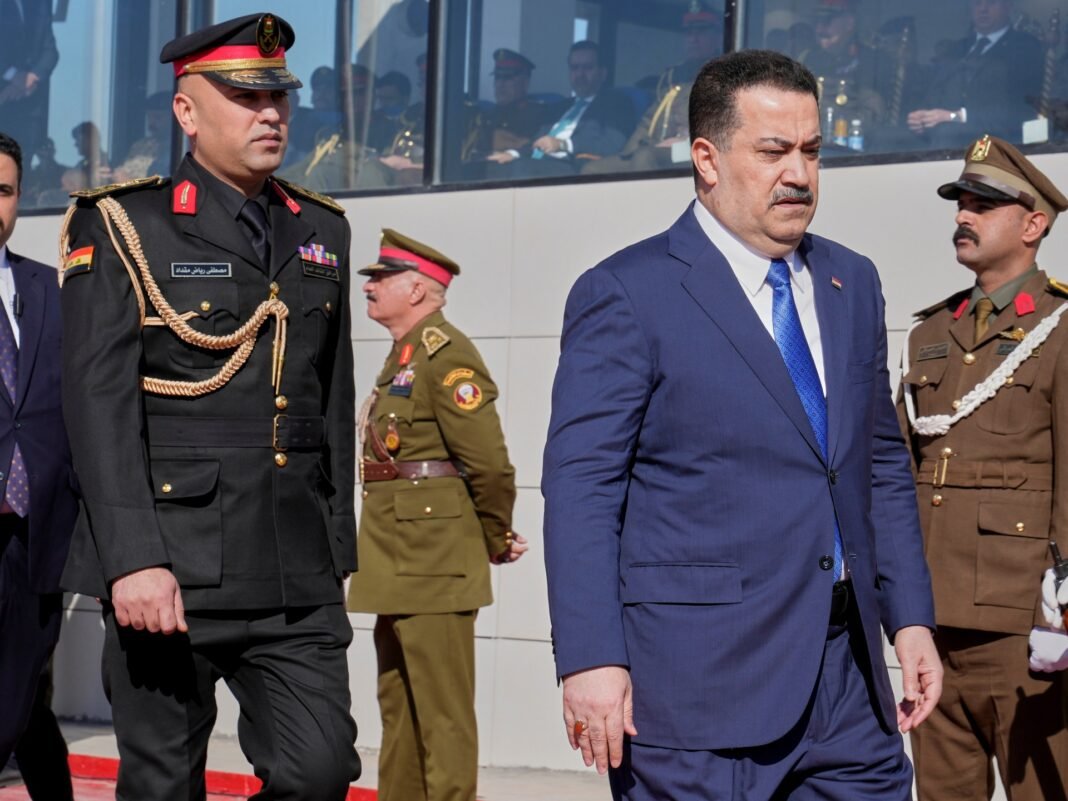
The incumbent prime Minister, Mohammed Shia al-Sudani, is seeking another term but faces significant resistance from factions loyal to former Prime minister Nouri al-Maliki.Maliki,a divisive figure with close ties to Iran and strong opposition from the United States,complicates consensus-building efforts. Although the coordination Framework holds approximately 185 of 329 parliamentary seats, it has yet to settle on a nominee ahead of constitutional deadlines.
Regional Tensions Amplify Political Uncertainty
Iraq’s geopolitical position grows increasingly precarious amid escalating US-Israel confrontations with Iran spilling into Iraqi territory. Pro-Iranian militias have intensified attacks against American interests within Iraq, heightening diplomatic strains between Baghdad, Washington, and Tehran.
Iran maintains substantial influence over Iraqi politics by backing various Shia parties-a dynamic rooted in power realignments following Saddam Hussein’s removal in 2003 by US-led forces.
The Impact of Iranian Mediation Efforts
Ismail Qaani, commander of Iran’s Quds Force responsible for extraterritorial operations within the IRGC framework, recently made an unannounced visit to Baghdad aimed at resolving this leadership impasse. Reports suggest that al-Sudani requested this intervention to prevent support for Bassem al-Badri-an ally of Maliki-from gaining traction within the bloc.
This mediation was coordinated through Falih al-Fayadh, head of the Popular Mobilization Forces (PMF), which comprises mainly pro-Iranian Shia militias linked closely with Tehran-backed networks across Lebanon and Yemen as part of what is often called “the Axis of Resistance.”
Divergent Interests Among Key Figures
During his visit, Qaani met with prominent leaders including Abu Fadak al-Mohammadawi (PMF chief of staff), Maliki himself, Sudani, and other senior members within the Coordination Framework.notably, internal factions led by al-Mohammadawi actively oppose Sudani’s bid for reappointment.
“Iran prioritizes its strategic survival amid ongoing US-Israeli tensions rather than rushing Iraq’s prime ministerial decision,” explained a regional analyst based in Washington. “They seek a compliant leader who advances their broader interests.”
iraq’s Sectarian Power-sharing System Explained
Iraq operates under muhasasa-a sectarian-based power-sharing formula established after 2003-where Kurds hold presidential roles; Sunni arabs control parliament speakership; and Shia Arabs occupy premiership positions. This arrangement often intensifies ethnic and sectarian divisions during government formation negotiations.
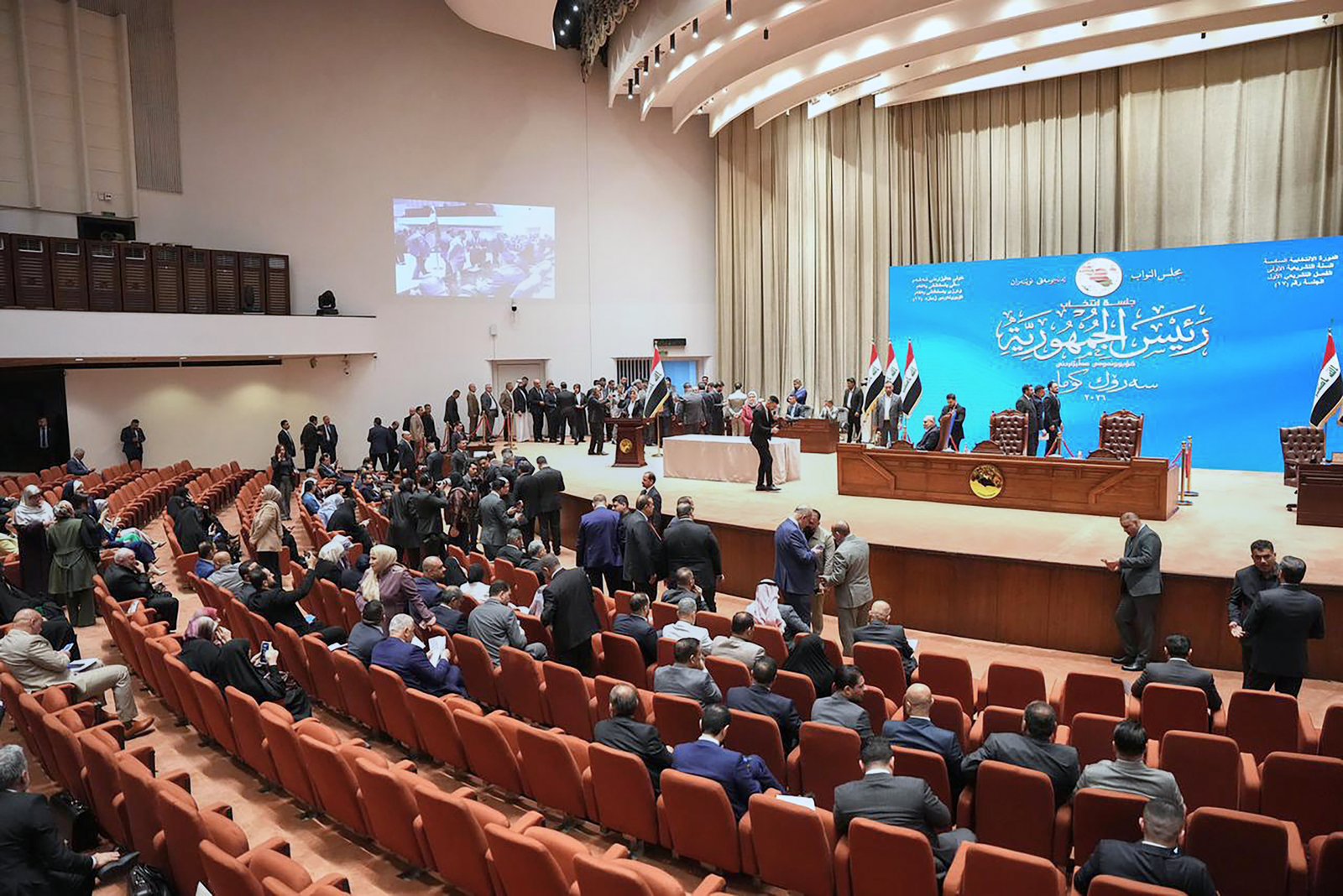
Nizar Amedi was recently elected president after prolonged talks triggered a new constitutional deadline requiring nomination of a prime minister within fifteen days.
A renewed Push Toward Unity Within The Bloc
The Coordination Framework has convened multiple meetings at Ammar al-Hakim’s residence-the leader of National State Forces Alliance-to finalize their choice for prime minister amidst repeated delays caused by internal disagreements among key leaders.
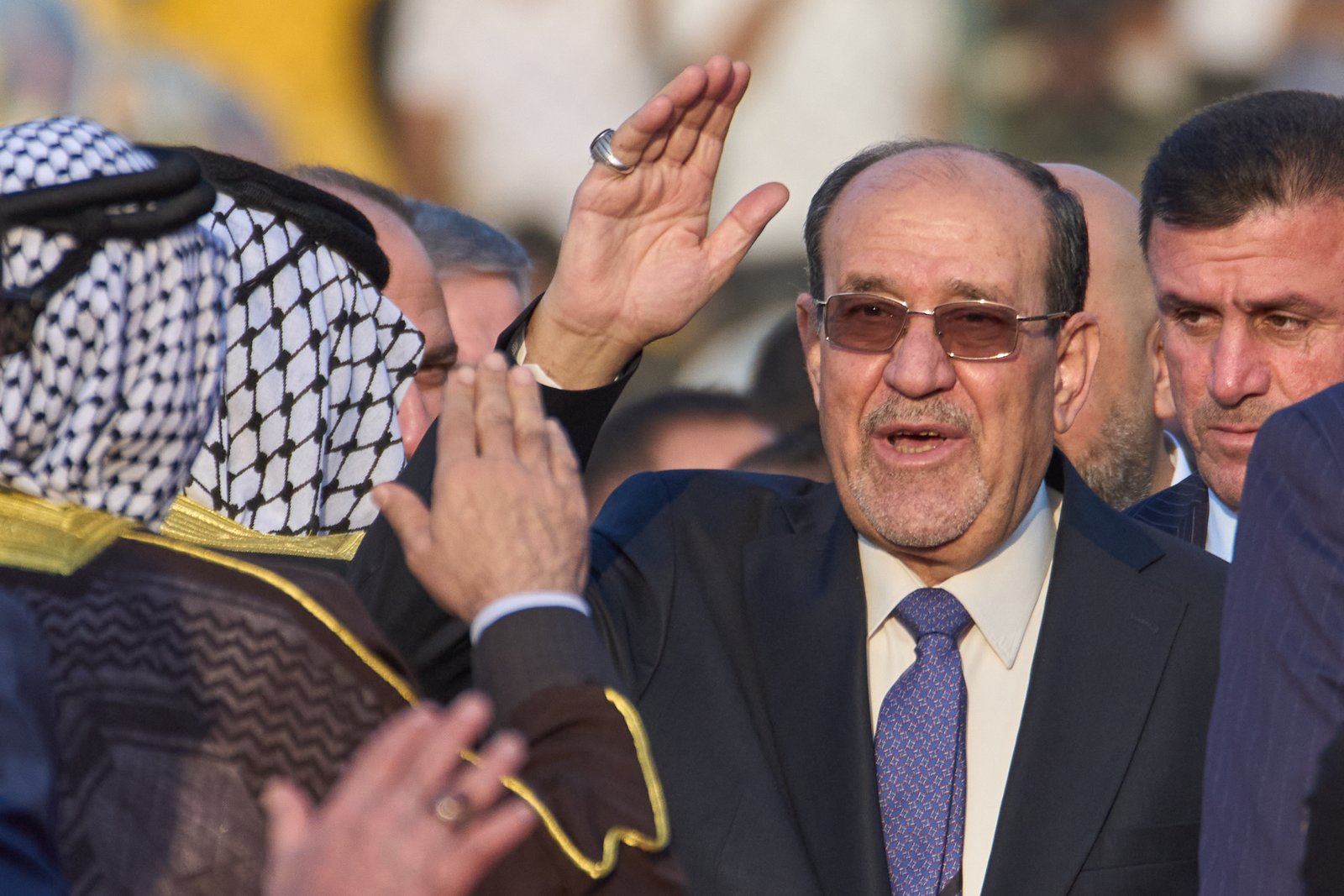
Main Contenders: Navigating Complex Political Realities
The coalition appears inclined toward selecting someone less polarizing than either Sudani or Maliki themselves. Bassem al-Badri has emerged as such an option despite his affiliation with Maliki’s Dawa Party-which holds 29 seats in parliament. Al-Badri currently chairs Iraq’s Accountability and Justice Commission responsible for de-Baathification policies removing former Baath party members from state institutions-a role fraught with controversy due to allegations regarding selective enforcement practices.
- Mohammed Shia al-Sudani: Leader of Reconstruction and Advancement Coalition holding 46 seats; seeks second term despite factional opposition;
- Bassem al-Badri: Supported by seven out of twelve key leaders but requires two-thirds majority approval;
- Nouri Al-Maliki: Former PM facing intense US rejection due to past sectarian policies partially blamed for ISIS emergence;
- qais Al-Khazali: Asa’ib Ahl al-Haq leader advocating collective governance over centralized premiership authority;
“Maliki knows his chances are slim given explicit warnings from former President Trump,” noted one political analyst referencing Trump’s public condemnations linking Maliki’s previous governance failures directly with Iraq’s descent into chaos.”
The United States’ Clear Opposition To Maliki Returns
A Washington official reiterated no preference among candidates accept firm rejection toward Maliki as he symbolizes Iranian influence undermining American strategic objectives in Iraq.During his tenure (2006-2014), Maliki implemented exclusionary policies targeting Sunnis under de-Baathification pretexts that indirectly fueled insurgency growth including ISIS rise-a legacy still haunting Iraqi politics today.
“The United States will withdraw support if Maliki returns as PM,” stated embassy sources echoing directives issued during Trump management emphasizing consequences tied directly to governance choices affecting bilateral relations.”
This pressure persists despite diplomatic overtures reportedly encouraging him to step aside voluntarily; though he publicly insists on formal nomination procedures without substitutions outside agreed mechanisms through his State of Law Coalition leadership role.
an Ambiguous U.S Position On Bassem Al-Badri?
No definitive signals have emerged regarding American views on Bassem Al-Badri despite his membership alongside Maliki in Dawa Party-highlighting nuanced diplomacy balancing competing interests inside Baghdad where influence battles unfold discreetly behind closed doors.
Meanwhile,
US Treasury sanctions targeting militia commanders linked with pro-Iran armed groups continue signaling unilateral efforts regardless government formation outcomes.
Mohammed Shia Al-Sudani: Balancing Between Competing Powers
Al-Sudani attempts careful navigation between powerful Iranian-backed militias demanding concessions-and Washington pushing reform-oriented stability.
in early 2024 before regional escalation intensified,
his caretaker government signed provisional agreements granting Chevron operational control over major southern oil fields previously partly managed by Russian firms exiting due sanctions.
Though,
these contracts await ratification once full governmental authority resumes.
simultaneously,
he authorized PMF responses against U.S strikes targeting militia positions
and allowed armed groups shelter inside Iraqi military bases-moves provoking formal protests from U.S State Department marking first such summons as post-invasion era.
Sovereignty Concerns Amid External Interference
Legal experts criticize ongoing violations undermining constitutional mandates requiring timely appointment processes free from foreign interference.
One prominent lawyer remarked:
“Indefinitely waiting on outcomes beyond national control while ignoring constitutional deadlines betrays sovereignty principles essential for rebuilding trust among citizens.”
Economic Struggles Deepen Amid Political Paralysis For Citizens
Iraqi citizens face mounting economic hardships worsened by stalled governance unable yet fully address urgent reforms needed amid regional instability triggered partly by war-related disruptions affecting oil exports-which account for nearly 90% percent revenue nationally.
New customs tariffs introduced earlier this year raised import costs sharply-some goods now taxed up to thirty percent higher-including electronics vehicles furniture alike.
Additionally,
reinstated sales taxes further strain household budgets prompting widespread protests including nationwide trader strikes closing commercial hubs across Baghdad Basra Mosul Kirkuk regions.
Reports indicate container shipping costs surged more than tenfold compared with previous years placing additional burdens upon already indebted economy carrying debts exceeding $70 billion USD equivalent.
A leading opposition figure summarized domestic frustrations bluntly:
“Claims about sovereignty ring hollow when key actors openly solicit foreign backing turning national decisions into instruments serving external agendas instead.”