Complex Dynamics and Strategic Interactions in U.S.-Iran-Pakistan Relations
Pakistan’s Crucial Mediation Role Amid Rising Regional Tensions
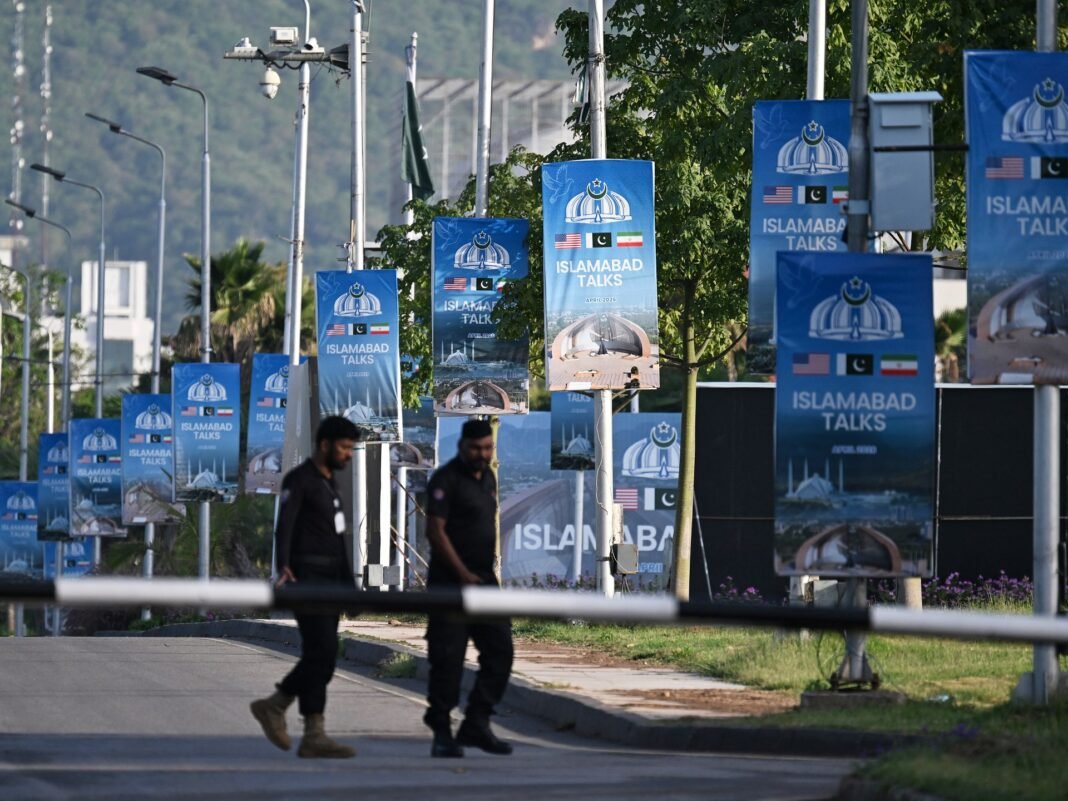
Field marshal Syed Asim Munir, the Chief of Pakistan’s Army, recently engaged in talks with Iran’s Foreign Minister Abbas Araghchi during his visit to Islamabad. This encounter highlighted Pakistan’s ongoing position as a key mediator striving to ease escalating frictions between the United States and Iran.
Following araghchi’s meetings exclusively with Pakistani officials, the planned visit by U.S. special envoy Steve Witkoff and Jared Kushner was unexpectedly canceled by then-President Donald Trump.The decision reflected growing uncertainties surrounding leadership dynamics within tehran and complicated diplomatic efforts.
The United States’ Withdrawal from Direct Negotiations
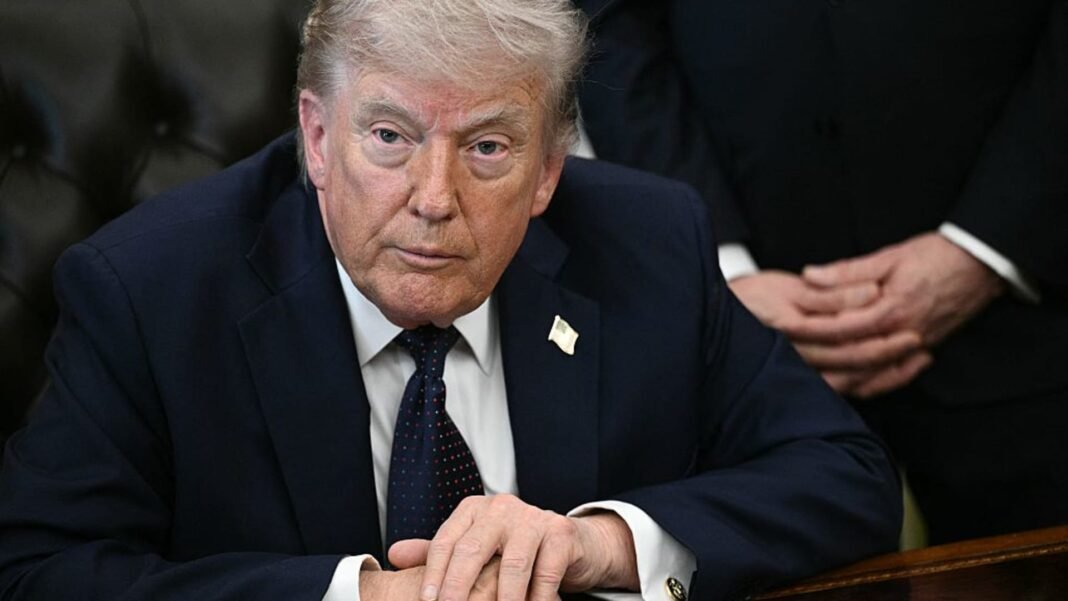
President Trump voiced frustration over delays attributed to logistical challenges and internal disagreements among Iranian leaders. He asserted that the U.S. holds significant leverage in negotiations, emphasizing that if Iran were genuinely interested in dialog, it could initiate direct contact without intermediaries.
Although Trump acknowledged an improved but still inadequate proposal from Iran aimed at conflict resolution, he halted planned discussions involving Witkoff and Kushner after Tehran declined to meet American negotiators on Pakistani soil.
The Significance of Pakistan’s Diplomatic Positioning
The Iranian Foreign Minister commended Pakistan for its constructive peace efforts while subtly questioning America’s dedication to diplomacy. His comments underscored Tehran’s preference for bilateral consultations with regional partners like Islamabad rather than engaging directly with Washington.
This approach was further confirmed by Iranian officials who clarified that no meetings were scheduled between their delegation and U.S. representatives during their transit through Islamabad,Muscat,and Moscow.
Tensions Surrounding Control of the Strait of Hormuz
A central point of contention remains control over the Strait of Hormuz-a vital maritime chokepoint responsible for nearly 20% of global oil shipments according to 2024 data from the International Energy Agency (IEA). Recent months have witnessed a sharp decline in traffic due to increased threats posed by Iran alongside a retaliatory naval blockade imposed by the United States.
This blockade has severely disrupted oil exports passing through this corridor, amplifying economic pressure on Tehran while exacerbating volatility within international energy markets already strained by geopolitical instability elsewhere-such as supply chain disruptions caused by conflicts in Eastern Europe.
Evolving Timeline for Peace Negotiations
The initial round of peace talks held two weeks earlier in Islamabad concluded without consensus despite high-level participation including Vice President JD Vance representing American interests at that time. Subsequent visits involving Vance were postponed amid reports indicating Iranian hesitancy toward further direct engagement under prevailing conditions.
Sustained Economic Sanctions Targeting Iran’s Oil Sector
The United states continues enforcing stringent economic sanctions against Tehran beyond military maneuvers alone. Treasury Secretary Scott Bessent confirmed Washington will not renew waivers allowing limited purchases of Iranian crude oil at sea-effectively maintaining an almost complete embargo on Iranian petroleum exports.
- Bessent predicted imminent production declines within days due to these restrictions impacting operations across major oil fields inside Iran such as South Pars-the world’s largest natural gas field shared between Iran and Qatar.
- Additionally, waivers permitting Russian oil shipments currently en route are set to expire soon as part of broader sanctions targeting energy trade networks linked indirectly or directly with sanctioned states including Russia and Iran alike amid ongoing geopolitical tensions following Russia’s invasion of Ukraine sence 2022.
- A recent sanction targeted Hengli Petrochemical Refinery in China-one among several independent “teapot” refineries known for purchasing considerable volumes of Iranian petroleum products valued at billions annually-highlighting global enforcement reach into supply chains sustaining Tehran economically despite tightening sanctions as early 2020s escalation phases triggered after renewed nuclear deal breakdowns.
Fragile Ceasefire Amid Persistent Hostilities Along Strategic waterways
An uneasy ceasefire declared earlier this year remains fragile amidst these developments; it was extended unilaterally shortly before expiration despite ongoing threats along critical maritime routes such as the Strait of Hormuz where sporadic naval confrontations continue disrupting commercial shipping lanes essential for global energy security.
“Unlike previous prolonged conflicts spanning years or decades yielding minimal results, Operation Epic Fury has achieved decisive outcomes within weeks,” Defense Secretary Pete Hegseth remarked during briefings highlighting operational progress despite diplomatic setbacks.”
Future Outlook: Uncertain Path Toward Resolution
Tensions remain elevated as both parties maintain firm positions-the U.S.’s insistence on lifting blockades only upon reaching extensive agreements contrasts sharply against Tehran’s cautious strategy favoring regional partnerships over direct American engagement so far.Pakistan continues playing an indispensable intermediary role amid shifting alliances shaping South Asia-Middle East geopolitics throughout 2026 onward.