Overview of US-Iran Indirect Talks Facilitated by Pakistan
The planned visit to Pakistan by US envoys Steve Witkoff adn Jared Kushner, intended to enable indirect negotiations between Washington and Tehran, was unexpectedly cancelled by United States President Donald Trump. These diplomatic efforts aimed at easing tensions remain at a standstill, particularly due to disputes surrounding the blockade of the Strait of Hormuz.
Washington’s Perspective on the Negotiation Process
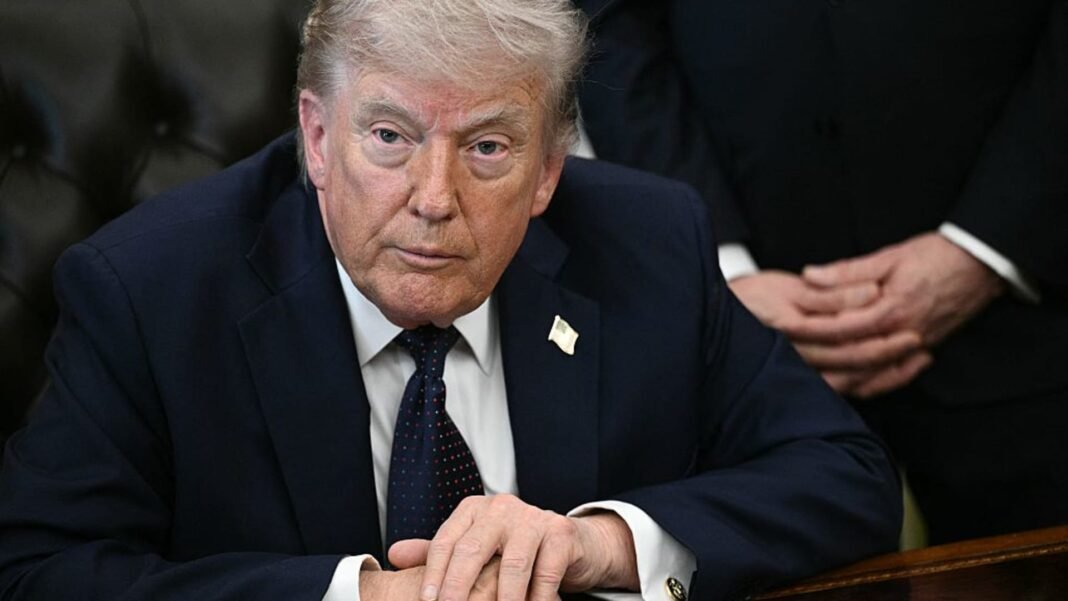
President Trump cited concerns over high travel expenses and dissatisfaction with Iran’s proposals as reasons for halting the envoys’ trip. While acknowledging that Iran’s offer contained notable elements, he deemed it inadequate overall. On his social media platform Truth Social, Trump pointed out internal confusion within Iran’s leadership structure, emphasizing uncertainty about who truly holds decision-making power in Tehran.
He further asserted that the United States maintains a strategic upper hand in these discussions and reiterated that dialog could resume if Iran initiates contact.
iranian Preconditions for Resuming Dialogue
Iranian President Masoud Pezeshkian responded firmly by declaring that no talks will proceed while US-imposed blockades on Iranian ports continue. In a phone call with Pakistani Prime Minister Shehbaz Sharif, Pezeshkian insisted that Washington must first remove operational restrictions before meaningful negotiations can restart.
Recently, Iranian Foreign Minister Abbas araghchi visited Islamabad where he met with Pakistan’s military chief Field Marshal Asim Munir and Prime minister Sharif. Although Araghchi did not disclose detailed specifics from these meetings, he reaffirmed Tehran’s commitment to ongoing engagement through Pakistan’s mediation until concrete progress is achieved.
Following his stay in Islamabad,Araghchi traveled to Oman for talks with Sultan Haitham bin Tariq al-Saeid focused on conflict resolution strategies before heading toward Russia. Reports suggest he plans to return soon for additional discussions in Pakistan.
The Mediating Role of Pakistan Amid Fragile Ceasefire Conditions
Despite public hardening of positions from both Washington and Tehran, Pakistani officials confirm active but delicate mediation efforts continue behind closed doors. Sources familiar with the process indicate indirect ceasefire communications are ongoing without immediate plans for renewed visits from US representatives.
The anticipated return of Foreign Minister Araghchi is viewed within Islamabad as a cautiously optimistic step potentially capable of fostering incremental progress toward peace between the two nations.
A Complex Ceasefire Habitat
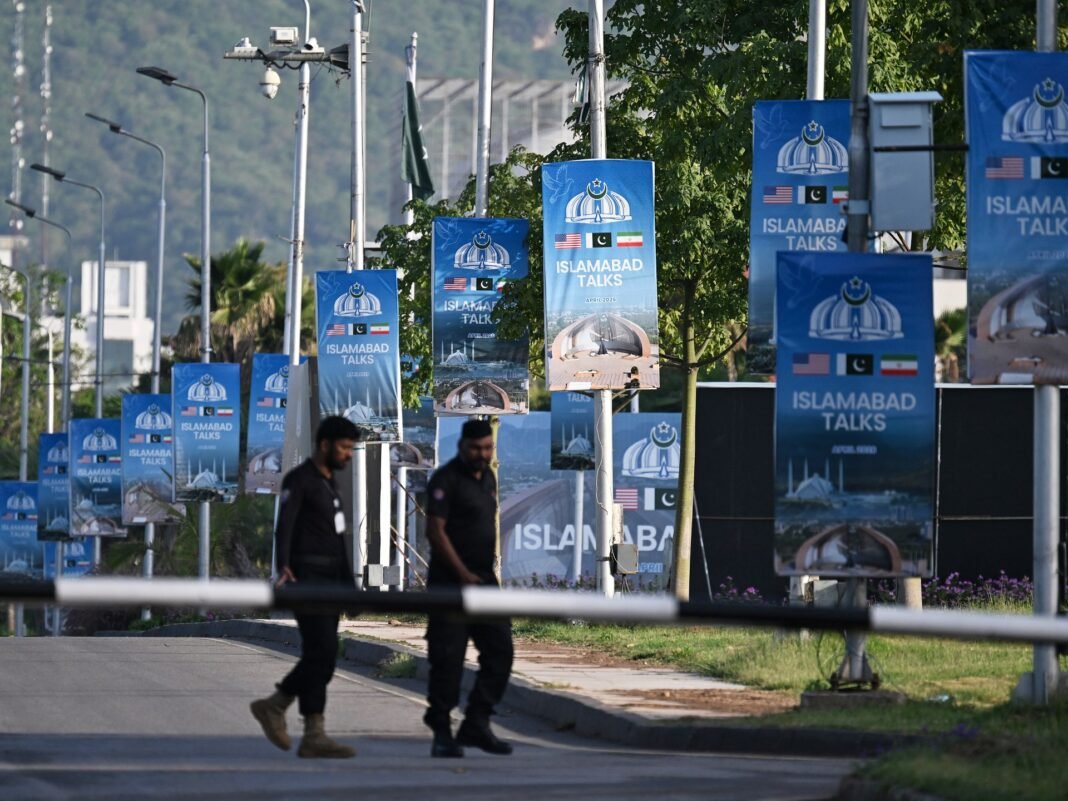
The ceasefire between the United States and Iran began on April 8 after nearly six weeks marked by reciprocal strikes involving Israel alongside both countries across Gulf territories. Initial talks held in Islamabad lasted 21 hours but failed to produce a definitive agreement or permanent resolution.
Tensions persist despite an extended truce announced by President Trump without specifying an expiration date; accusations continue regarding violations from both sides during this period.
- Iranian naval forces: Have effectively restricted commercial shipping through the Strait of Hormuz while seizing vessels suspected of violating their control zones shortly after ceasefire initiation;
- US naval operations: Have intercepted ships allegedly breaching American-imposed blockades around Iranian ports-actions viewed by tehran as undermining trust essential for peace negotiations;
The Strategic Significance of Disputes Over the Strait of Hormuz
This narrow maritime corridor remains pivotal amid escalating regional tensions; prior estimates indicated roughly 20% of global oil exports-including liquefied natural gas-passed through this route before hostilities intensified. Control over navigation rights here carries immense geopolitical importance given its location bordering Iranian and Omani territorial waters.
Iran asserts sovereign claims over these waters along with proposals suggesting tolls be imposed on passing vessels-a move strongly opposed by Gulf Cooperation Council countries reliant on unimpeded energy exports via this passage-and rejected outright by Washington demanding freedom-of-navigation guarantees consistent with international law governing straits used for global commerce.
Nuclear Enrichment: A Central Issue Dividing Parties
- The US-Israeli viewpoint: Calls for complete cessation of uranium enrichment activities citing concerns about potential weaponization despite absence publicly presented conclusive evidence;
- Iran’s stance: Maintains its enrichment programs serve exclusively peaceful civilian energy purposes under rights granted via international treaties such as the Treaty on Non-Proliferation (NPT).
“Recent reports from nuclear regulatory agencies monitoring compliance worldwide indicate Iran has enriched uranium up to 60 percent purity,far exceeding levels required solely for civilian applications.”
Broad Regional Consequences: Energy Markets & Global Economic Stability at Stake
This prolonged deadlock exacerbates one of today’s most severe energy crises-the worst since oil shocks experienced during the 1970s-triggering ripple effects threatening global economic stability including inflationary pressures impacting consumer prices worldwide along supply chains dependent upon Middle Eastern hydrocarbons.
.