How Disruptions in the Strait of Hormuz Influence Global Oil Markets
Diplomatic Progress Between the U.S. and Iran
Following recent remarks from President Donald Trump about advancements in talks with Iran concerning the reopening of the Strait of Hormuz, oil prices experienced a notable drop exceeding 4%. Despite this positive development, Trump stressed a purposeful approach, indicating that negotiations would not be rushed and that patience remains a strategic advantage for the United States.
Fluctuations in Crude Oil Prices Amid Market Sentiment
By Sunday evening, West Texas Intermediate (WTI) futures had declined nearly 5%, closing near $91.65 per barrel. Brent crude futures mirrored this trend with an approximate 5% decrease to $98.30 per barrel. These price movements reflect cautious optimism among investors hopeful for reduced tensions but mindful of persistent uncertainties surrounding the situation.
The President’s View on Negotiation Timing
“The discussions are progressing methodically and positively,” Trump conveyed through social media channels, emphasizing that his team was instructed to avoid rushing since time is advantageous for U.S. interests.
The Strategic Importance and Recent Blockades at the Strait of Hormuz
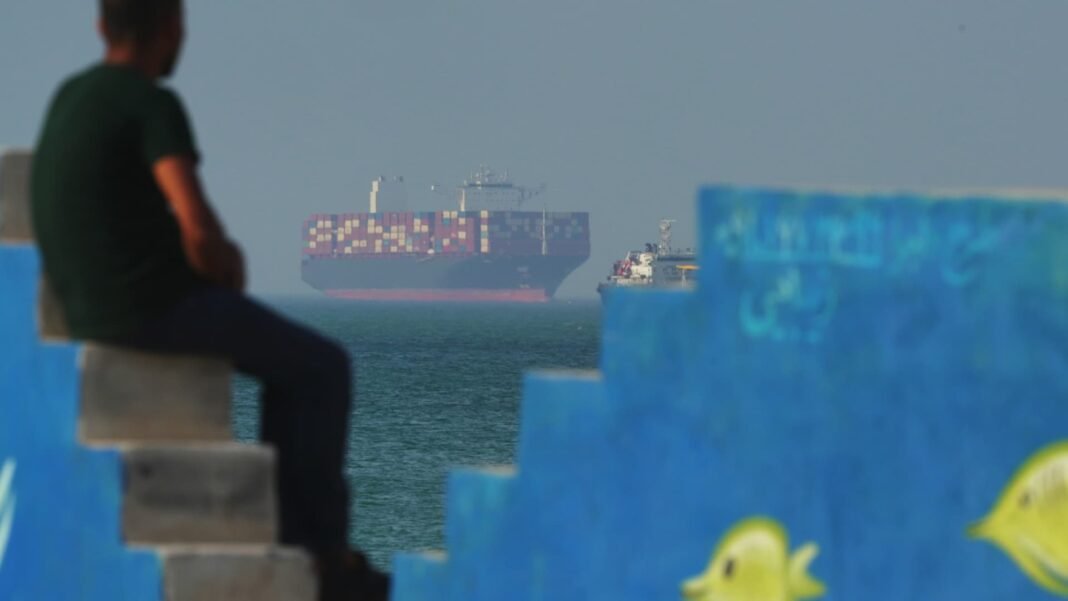
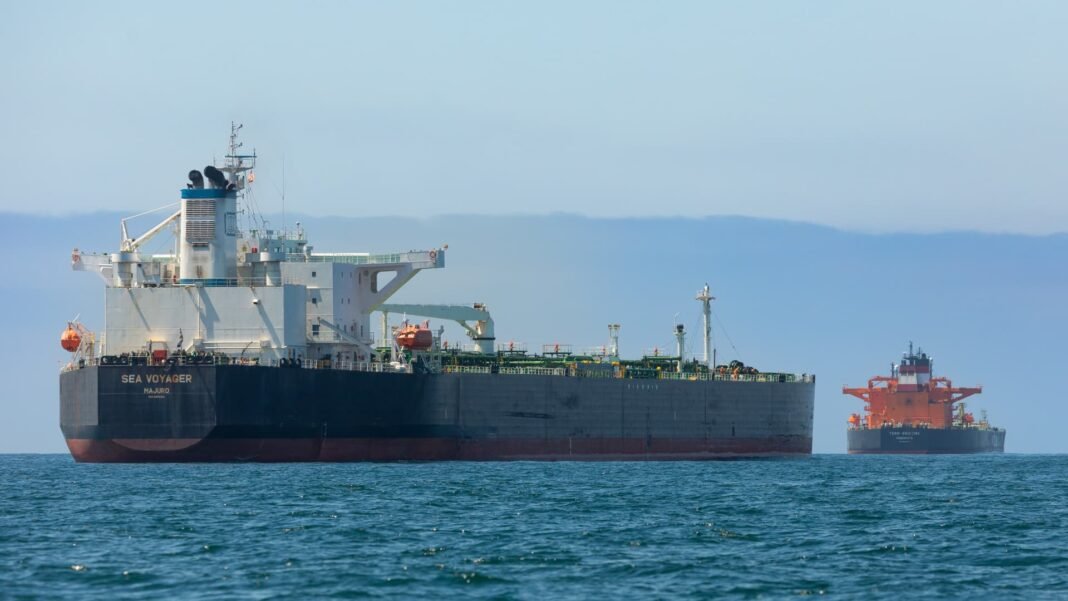
In early march, Iran effectively imposed a blockade on the strait of hormuz following retaliatory airstrikes by U.S. and Israeli forces targeting prominent Iranian figures including Ayatollah Ali Khamenei. This blockade mandates vessels to secure explicit authorization from Iranian authorities before passage; failure to comply risks potential military engagement.
This narrow maritime corridor is vital for global energy flows-prior to these disruptions, approximately 20% of worldwide oil exports transited through it daily. The blockade has caused notable interruptions across international oil supply chains unprecedented in recent history.
Tensions Escalate: Economic fallout from Conflict
The intensification of hostilities led crude prices to surge over 30% since late February when targeted military actions against Iran’s leadership escalated sharply. Though, diplomatic overtures have recently helped temper these spikes-U.S. crude dropped more than 8% last week while Brent fell over 5%, following announcements delaying planned airstrikes pending further dialog.
Sanctions Enforcement and Maritime Counteractions
The United states responded by implementing its own naval restrictions aimed at Iranian ports and shipping as part of comprehensive sanctions designed to compel Tehran toward compliance with international regulations.
Despite ongoing negotiations, President Trump confirmed that all American sanctions remain fully active until any formal agreement is finalized and ratified by involved parties.
The Future outlook: Stability or Prolonged Uncertainty?
- The ultimate resolution-or continuation-of this standoff will play a decisive role in shaping global oil market dynamics well into 2026 and beyond.
- If successful diplomacy leads to reopening the strait without compromising security measures, it could restore stability to supply chains currently strained by geopolitical volatility.
- This episode highlights how vulnerable critical energy infrastructure remains amid regional conflicts impacting millions who rely daily on uninterrupted fuel supplies-for instance, recent disturbances have already disrupted sectors such as commercial aviation logistics and manufacturing industries dependent on consistent petroleum inputs worldwide.