Hypersonic Oreshnik Missile Targets Kyiv Amid Intensifying Hostilities
Severe Damage to kyiv’s Urban Landscape and Civilian Life
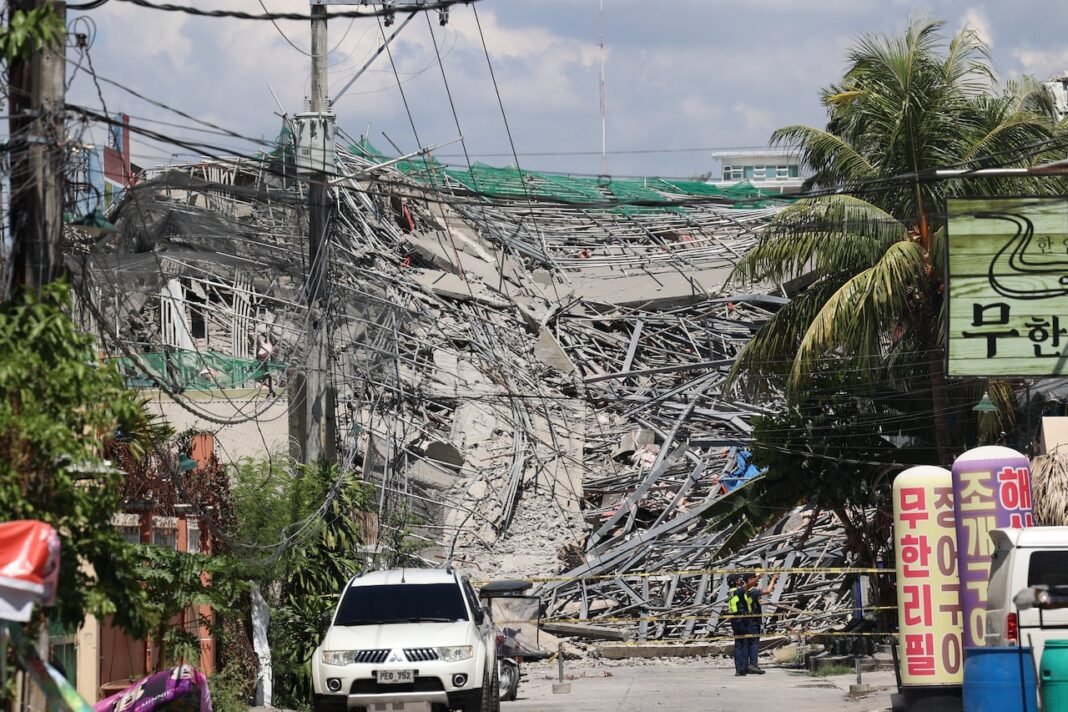
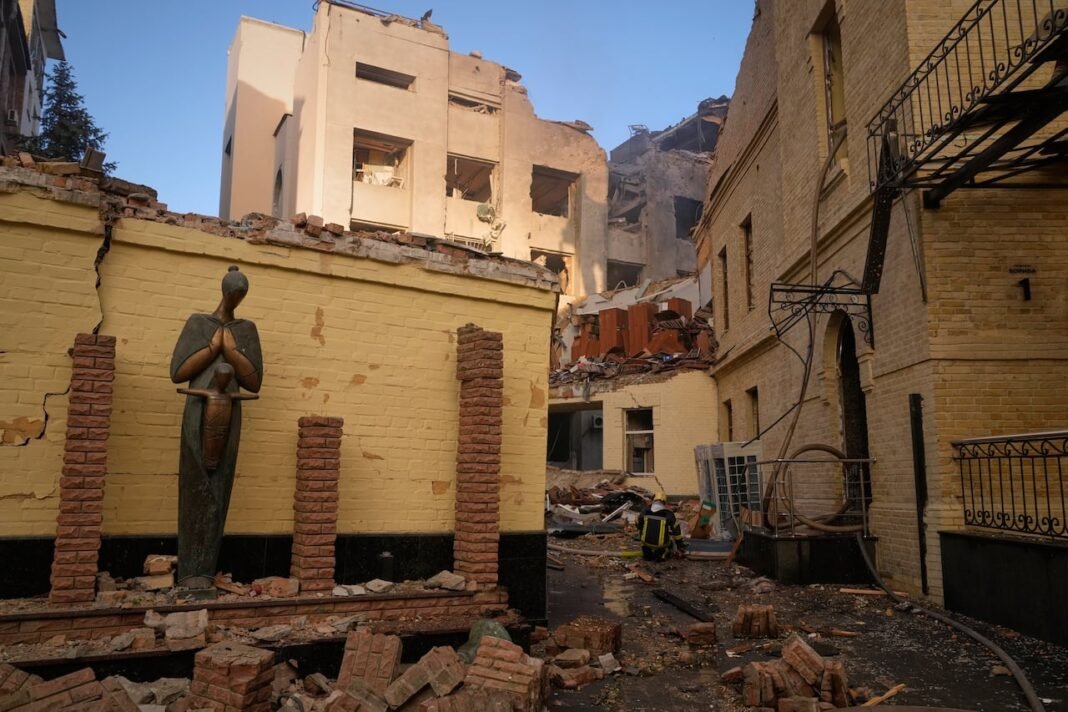
The Ukrainian capital endured a fierce aerial strike involving Russia’s hypersonic oreshnik missile, causing extensive devastation across numerous neighborhoods. The assault resulted in at least four confirmed deaths and left dozens injured as residential complexes, educational institutions, and government facilities suffered notable harm.
Timur Tkachenko,head of Kyiv’s military management,reported damage to over 40 locations citywide.Among the hardest hit was a five-story apartment building in the Shevchenko district that caught fire after being struck, claiming one life. A school was also impacted while occupied by students and staff members.
Scope of the Offensive and Defensive Measures Taken
The attack combined an overwhelming wave of roughly 600 strike drones alongside 90 missiles launched from air, sea, and land platforms. Ukraine’s air defense units successfully intercepted or destroyed nearly 600 incoming threats-549 drones and 55 missiles-while approximately 19 missiles failed to reach their targets.
This marks the third known deployment of the Oreshnik missile since hostilities began four years ago. Earlier strikes using this weapon targeted Dnipro in late 2024 and again struck areas within Lviv region earlier this year.
Understanding the Capabilities of the Oreshnik Hypersonic Missile
the hypersonic Oreshnik travels at speeds up to Mach 10-ten times faster than sound-making interception extremely arduous with current defense technologies. Russian leadership has likened its velocity to “a meteorite,” emphasizing its ability to penetrate deep underground bunkers several stories below ground level.
While capable of carrying nuclear warheads, even conventional explosives on this missile can inflict destruction comparable to nuclear blasts due to its immense speed combined with pinpoint accuracy upon impact.
Civilians’ accounts Amidst The Onslaught
“The scale was unlike anything we’ve experienced during this conflict,” shared Svitlana Onofryichuk after losing her longtime workplace in one of Kyiv’s markets consumed by fire during the attack. “I have no choice but to leave Kyiv now; everything I owned is gone.”
“Explosions shattered my apartment walls as I grabbed my dog,” recalled Yevhen zosin amid shockwaves from nearby blasts.”Surviving felt like a miracle.”
Damage Extends Beyond Kyiv Into Surrounding Regions
The missile also struck Bila Tserkva within Kyiv Oblast; though, officials have yet to disclose specific targets there. Governor Mykola Kalashnyk confirmed that multiple communities throughout the region sustained infrastructure damage affecting supermarkets and warehouses critical for civilian supplies.
Strategic Intelligence Alerts Ahead of The Strike
Intelligence shared among Ukraine’s allies-including U.S.-based sources-had warned about Russia’s plans to deploy advanced weapons such as the Oreshnik against major urban centers like Kyiv. These early alerts were vital for enhancing defensive preparedness ahead of what became one of the largest coordinated attacks seen so far during this conflict.
Aerial Warning Sirens Piercing Night through Dawn During Continuous Assaults
The relentless bombardment continued into Sunday morning with sirens sounding across Kyiv while smoke billowed above damaged districts near central government buildings-a stark reminder that intense fighting persists despite ongoing international diplomatic efforts seeking peace solutions.

Evolving Warfare: How Hypersonics Are Transforming Global Security Challenges
This recent offensive highlights how cutting-edge technologies like hypersonic missiles, exemplified by Russia’s Oreshnik, are revolutionizing modern combat dynamics by enabling rapid precision strikes capable of overwhelming customary defenses while causing severe civilian casualties. Hypersonic missiles s pose an escalating threat worldwide as they reduce warning times drastically, complicating evacuation efforts and countermeasure deployment designed to protect densely populated urban areas from sudden high-impact attacks without sufficient notice or response capability.