
Brazil’s Emerging Influence in Asia’s Oil Supply Amid Middle East Instability
As tensions escalate in the Middle East, disrupting oil shipments through critical chokepoints like the Strait of Hormuz, Brazil is stepping up as a crucial alternative supplier for major Asian economies such as China and india. The ongoing conflict involving the US, Israel, and Iran has heightened concerns over Gulf oil reliability, pushing Asian importers to diversify their sources.
Why Brazil Is Becoming a Key Player in Asia’s Energy Landscape
with sanctions curbing Russian crude exports and persistent risks threatening Gulf oil deliveries, Asian nations are increasingly turning to Brazil’s growing petroleum output. Positioned far from Middle Eastern conflict zones and boasting expanding offshore production capabilities, Brazil offers a more secure supply option.
Recent trade data indicates that imports of Brazilian crude by Asian countries surged from roughly 1.2 million barrels per day (bpd) in 2025 to nearly 1.8 million bpd during the first five months of 2026. This shift highlights Asia’s strategic move toward reducing dependence on traditional Gulf suppliers amid rising maritime security challenges.
Production Growth: Steady Expansion Fuels Export Realignment
Brazil’s offshore fields have consistently boosted output over recent years, with average production reaching about 3.77 million bpd in 2025 and climbing to approximately 4.06 million bpd between January and may this year-peaking above 4.1 million bpd in may alone.
This increase stems less from rapid wartime expansion than from redirecting existing supplies toward Asian markets. Petrobras-the state-controlled energy giant-has shifted over 60% of its exports to China while substantially scaling back shipments to the United States since early this year.
The Economic Impact on Brazil
This export pivot is strengthening Brazil’s economy considerably; elevated global crude prices are expected to enhance trade balances markedly. Forecasts suggest that if Brent crude stabilizes around $100 per barrel, government revenues could rise by nearly one percent of GDP beyond current projections for 2026.
Main Consumers: China and India Drive Demand Surge
- China: Chinese imports soared from about 700,000 bpd last year to more than 1.3 million bpd early this year as Beijing seeks dependable energy sources outside volatile gulf routes.
- india: Indian purchases doubled within months-averaging roughly 238,000 bpd recently compared with just under half that volume previously-making Brazil India’s fourth-largest crude supplier amid surging domestic fuel demand.
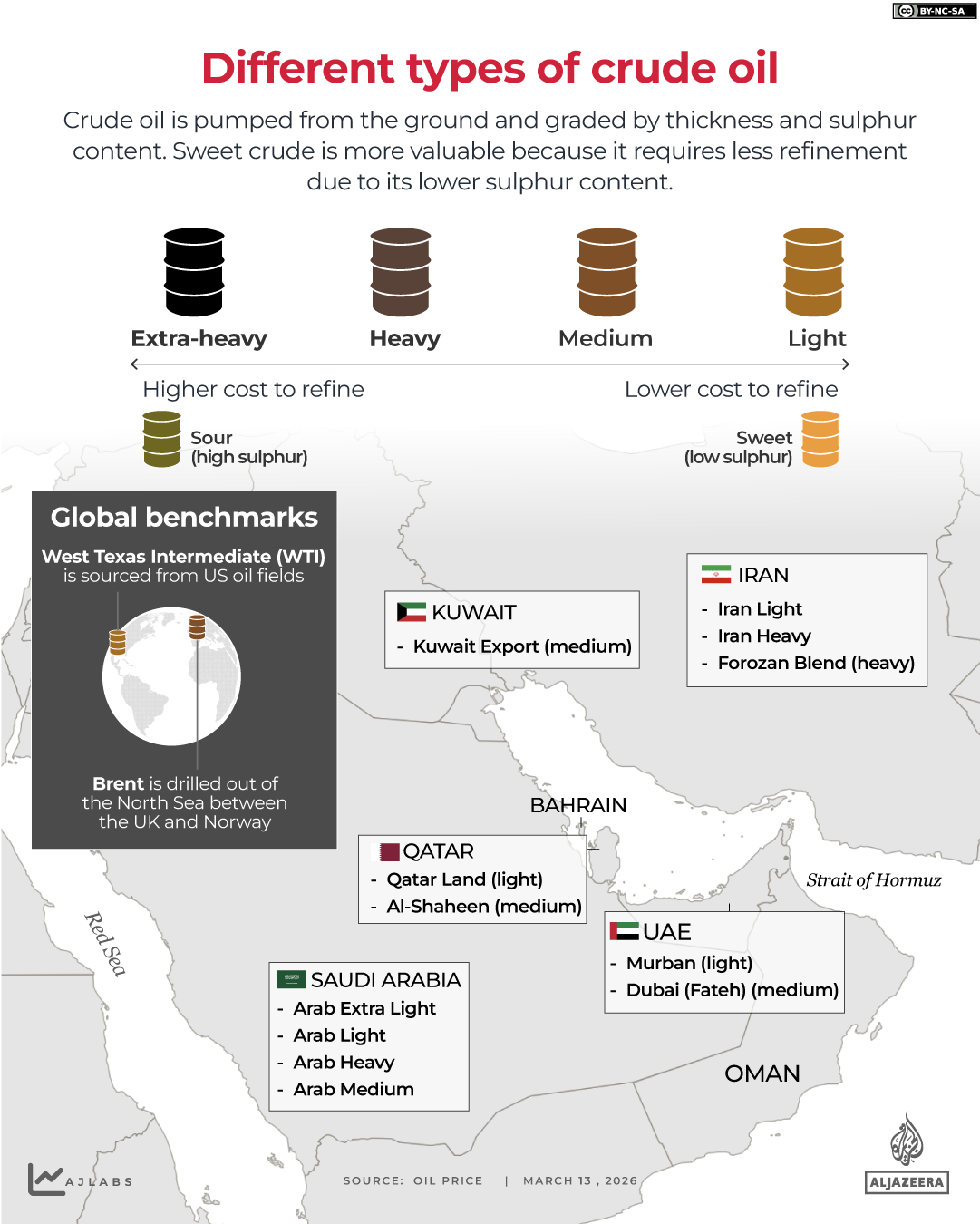
The attractiveness lies partly in Brazilian medium-sweet pre-salt grades which align well with many Asian refineries designed for low-sulfur crudes ideal for diesel and jet fuel production without requiring complex processing typical of heavier oils elsewhere.
Diverse Factors Shaping Demand Patterns
The differing energy trajectories influence these trends: while china accelerates electric vehicle adoption slightly tempering fossil fuel growth rates, India’s rapidly expanding transportation sector continues driving strong petroleum consumption increases necessitating steady imports beyond strategic reserves capacity.
broadening Horizons: Strengthening Energy Ties Across Asia
Apart from its largest buyers China and India, Brazil is actively pursuing deeper partnerships with other significant Asian economies such as Japan and South Korea through diplomatic efforts focused on enhancing energy cooperation.Mauro Vieira, Foreign Minister of Brazil recently highlighted readiness to support Japan’s energy security via increased crude deliveries within broader initiatives aimed at reinforcing bilateral relations throughout Southeast Asia.
Brazilian Crude quality Compared with Regional Alternatives
- Tupi & Buzios Varieties: These flagship export crudes are classified as medium-sweet oils containing relatively low sulfur levels suitable for producing cleaner fuels favored by environmental regulations across many refining centers in Asia.
- Differentiation From Venezuelan Heavy Oils: Unlike Venezuela’s heavy sour grades-which require specialized refining infrastructure often unavailable or costly-Brazilian varieties offer better compatibility making them preferred alternatives despite not fully replicating all characteristics found among diverse Middle Eastern blends used regionally worldwide.
“While Brazilian barrels can effectively replace certain medium-sweet Gulf supplies reducing exposure risks linked directly or indirectly through Hormuz transit points especially benefiting major consumers like China & India-they do not constitute a complete substitute across all product specifications.”
Navigating obstacles: Logistical Challenges & Market Competition Restrict Growth Potential
- Cargo Transit Duration: Shipping oil from Brazilian ports typically takes around fifty days en route to East Asian refineries-a significantly longer journey compared with routes near the Persian Gulf-resulting in higher freight costs amid tight global tanker availability.
- Evolving Competitive Pressures From Russia:Seasonal reopening Arctic shipping lanes enable faster delivery speeds potentially halving transit times relative to south Atlantic passages used by Brazilians; concurrently ongoing US waivers on Russian petroleum sanctions allow moscow temporary market presence prolonging competitive pressure.
This combination means although Brazilian supply diversification provides meaningful relief during acute disruptions affecting Middle eastern flows-it remains constrained long term due both logistical economics plus competing demands coming simultaneously from Europe alongside north American markets seeking similar marginal barrels under shifting geopolitical conditions.