Asian Financial Markets Respond to U.S.-Iran Talks Amid Shifting Global Economic Landscape
South Korea’s Kospi Climbs to Record Levels on Diplomatic Hopes
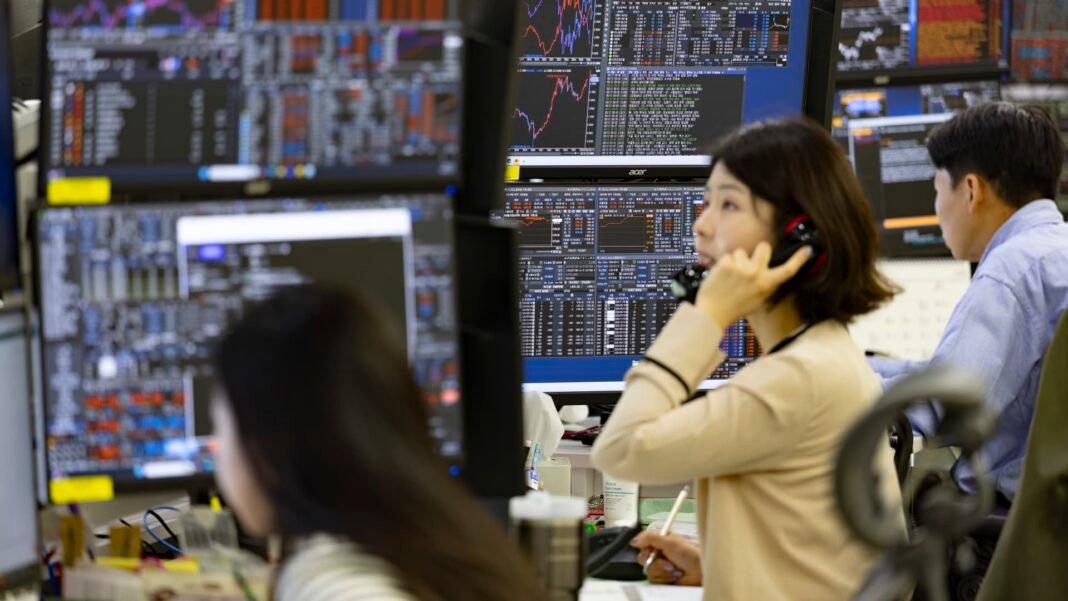
Following the reopening of markets after a national holiday, South Korea’s Kospi index surged to an all-time high of 8,094.90. This rally was largely driven by investor enthusiasm over potential breakthroughs in the ongoing diplomatic negotiations between the United States and Iran.
While President trump characterized the discussions as “progressing well,” he also warned that military measures could be reinstated if talks fail.This delicate interplay between diplomacy and defense continues to shape investor confidence throughout Asia.
Fluctuations in Oil Prices Mirror Middle East Tensions
the energy sector experienced contrasting movements amid geopolitical uncertainties. July futures for West Texas Intermediate (WTI) crude dropped sharply by 5.24%, closing at $91.54 per barrel late Tuesday evening Eastern Time, whereas Brent crude futures climbed 1.80% to reach $97.87 per barrel.
The U.S. Central Command recently conducted precise “self-defense strikes” targeting Iranian missile installations and vessels engaged in mine-laying near Iran’s southern maritime borders,highlighting ongoing volatility despite diplomatic efforts.
Geostrategic Dynamics at the Strait of hormuz
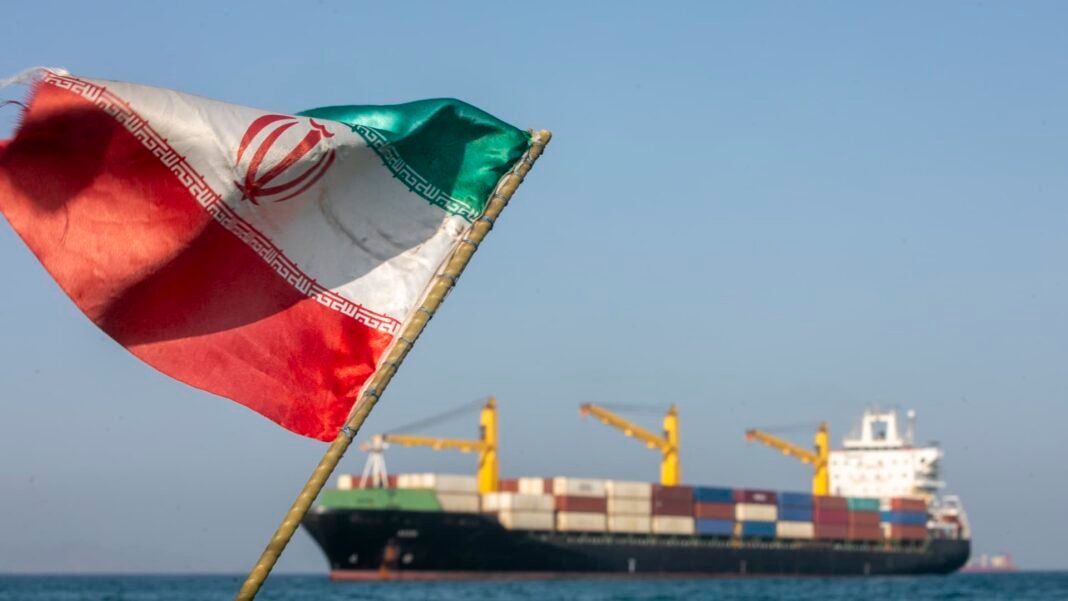
The Strait of Hormuz remains a pivotal chokepoint responsible for nearly one-fifth of global oil shipments annually-approximately 19 million barrels per day as reported in recent energy statistics. Former CIA Director David Petraeus observed indications that Tehran might be softening its aggressive stance around this critical waterway, suggesting a tentative easing under international pressure.
Varied trends Across Key Asian stock Markets
- Kosdaq index: South Korea’s smaller-cap Kosdaq closed with a robust gain of 1.34%, recovering from earlier pullbacks and signaling selective optimism toward technology and biotech sectors.
- Nikkei 225: Japan’s premier stock index slipped modestly by 0.32%, influenced by profit-taking following recent record highs above 65,000 points during low-volume holiday trading sessions.
- Topix Index: The broader Topix remained largely unchanged as investors awaited further guidance on monetary policy from the Bank of Japan (BoJ).
- S&P/ASX 200: Australia’s main equity benchmark retreated slightly by 0.38%,weighed down partly by concerns over regional trade tensions and fluctuating commodity prices such as iron ore and coal.
- CNSI & Hang Seng: China’s CSI 300 edged down marginally (-0.28%), while Hong Kong’s Hang Seng rebounded from early losses to close up +0.45% after Monday’s public holiday break boosted market activity.
- Nifty & Sensex Indices: India saw minor declines with Nifty dipping slightly and BSE Sensex falling about -0.35%, reflecting mixed domestic economic data amid global uncertainty surrounding inflationary pressures and currency fluctuations.
The Bank of Japan’s monetary Policy Stance Amid Rising Geopolitical Risks
The BoJ Deputy Governor Ryozo Himino stressed that any adjustments to interest rates are being carefully evaluated against evolving geopolitical developments in the Middle East, which could influence inflation trends and currency stability across Asia-Pacific financial markets moving forward.
The Interplay Between Geopolitics and Global Market Sentiment Today
This situation underscores how deeply interconnected geopolitical events are with worldwide financial markets-especially when vital energy routes like the Strait of Hormuz face threats or signs emerge pointing toward diplomatic progress.
“Investors globally remain alert as shifts in international diplomacy can swiftly reshape risk tolerance across diverse asset classes.”