U.S. Military Actions Target Southern Iran Amid Rising Regional Strains
In the early hours of Tuesday, American forces executed targeted strikes against strategic locations in southern Iran to counteract emerging threats from Iranian military operations. U.S.Central Command reported that these missions concentrated on disabling missile launch facilities and intercepting Iranian vessels engaged in deploying naval mines.
Maintaining Vigilance During a Fragile Ceasefire
CENTCOM spokesperson Tim Hawkins highlighted that while the U.S. military remains alert to safeguard its personnel, it is carefully navigating the current ceasefire period to avoid unneeded escalation.
Recent Military Clashes Since April Truce
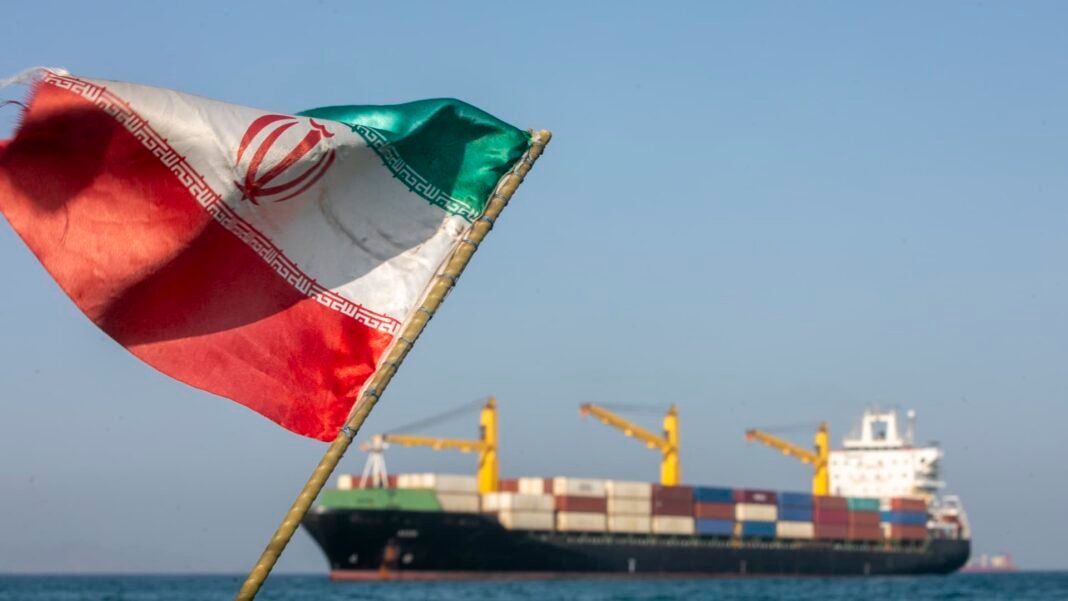
This operation follows a series of confrontations after a ceasefire was declared on April 8. Notable incidents include U.S. Marines boarding an Iranian cargo ship named Touska, as well as exchanges of fire between both sides in May near the Strait of hormuz-each accusing the other of initiating aggression.
“Iran’s enriched uranium reserves will either be handed over directly to U.S. authorities or dismantled at mutually agreed sites,” President Trump asserted recently, reaffirming commitments toward nuclear non-proliferation.
The Strait of Hormuz: A Crucial Artery for Global Energy Supply
The Strait of Hormuz channels approximately 20% of worldwide seaborne oil shipments, making it an essential maritime passage where even minor conflicts can trigger significant disruptions across global energy markets and impact pricing stability internationally.
Oil Market Reactions Amid Geopolitical Tensions
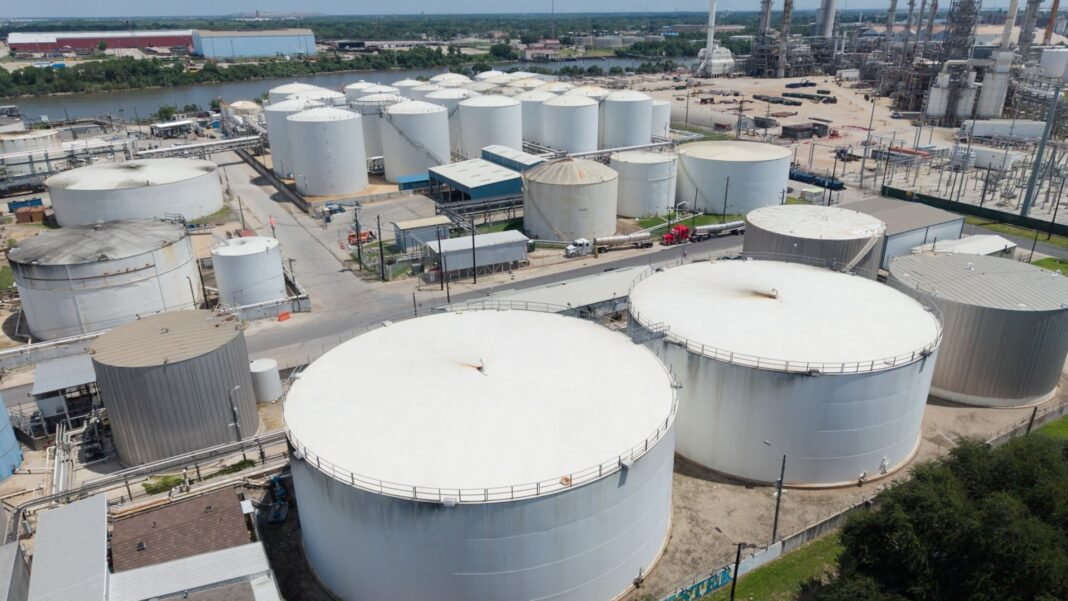
The ongoing tensions have lead to volatile movements in oil prices: West Texas Intermediate crude futures fell nearly 5%, settling around $91.87 per barrel early Tuesday, while Brent crude rose by over 2%, trading close to $98.20 per barrel on international exchanges.
diplomatic efforts and Strategic Messaging from Washington
Despite military confrontations, President Donald Trump conveyed cautious optimism regarding talks with Iran, describing negotiations as “progressing well” but warning that any agreement must benefit all parties involved; otherwise, hostilities could intensify once again.
Meanwhile,U.S. Secretary of State Marco Rubio stressed from India the critical necessity of keeping the Strait open for global commerce “one way or another.” He also suggested that a final deal with Iran might be imminent within days.
status Updates on Negotiations and Regional Responses
Senior officials indicate that negotiations are approximately 95% complete but acknowledge remaining challenges before finalizing an agreement. Concurrently, President Trump encouraged Arab nations to join the Abraham Accords aimed at normalizing relations with Israel; though, Pakistan firmly rejected linking this initiative with discussions about Iran’s nuclear ambitions.
The Public Outlook: Desire for Peace and Economic Stability
- Chen Lanhee, partner at Brunswick advisory firm, noted widespread public demand across America for ending conflict regardless of specific deal terms or concerns about Iranian capabilities;
- “The foremost priority among citizens is halting war-related disruptions,” Chen stated during a financial news segment;
- “Lowering fuel prices remains critical as consumers face direct economic strain.”
A Complex Balance Between diplomacy and defence in Southwest Asia
this evolving scenario highlights intricate regional dynamics where military maneuvers intersect with high-stakes diplomacy involving multiple stakeholders striving for equilibrium between confrontation and cooperation amid shifting alliances throughout Southwest Asia today.