Volatile Oil Prices Amid Heightened Middle East Conflicts and Global supply Constraints
Divergent Trends in Brent and WTI Crude Futures
The oil market has witnessed notable fluctuations as tensions escalate in the Middle East, especially following recent U.S. military operations near southern Iran. During Asian trading hours, July Brent crude futures-the international benchmark-climbed by 2.3%, reaching $98.45 per barrel. In contrast, U.S. West Texas Intermediate (WTI) July contracts dropped sharply by 5%, closing at $91.60 per barrel.
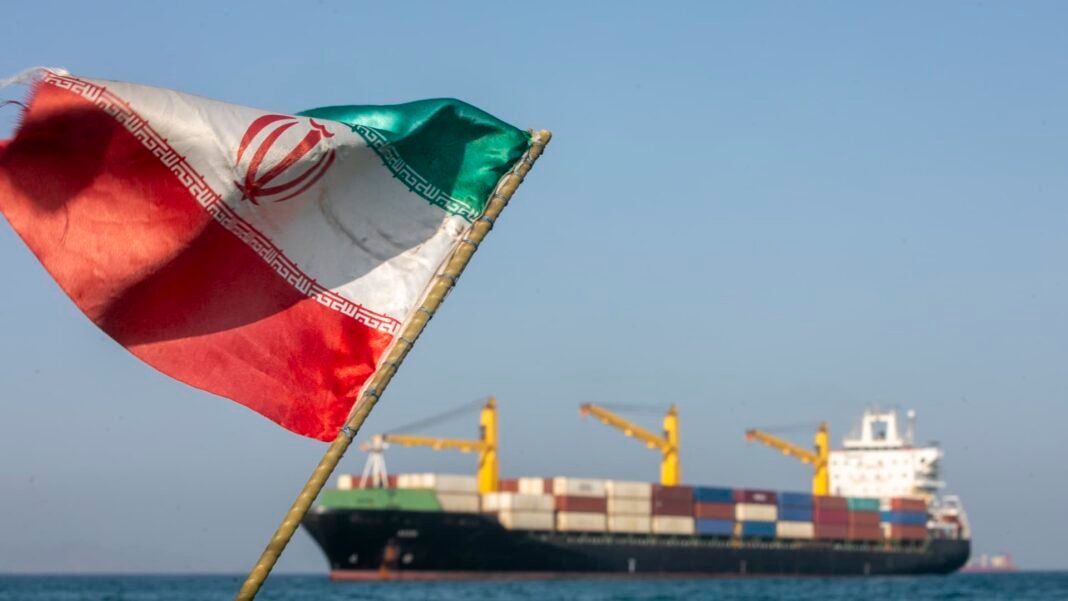
This contrasting movement is driven by differing influences on each benchmark: Brent prices are highly reactive to geopolitical risks affecting Middle Eastern supply routes, especially around the Strait of Hormuz-a strategic maritime corridor responsible for roughly 20% of global oil exports as of mid-2024. Meanwhile, WTI prices reflect domestic U.S. factors such as rising shale output and growing inventories amid refinery maintenance schedules.
Escalating Military Actions Between the U.S. and Iran Amplify market Volatility
The United States recently conducted precision strikes targeting Iranian naval vessels suspected of laying mines and missile launch sites along Iran’s southern coastline near the Persian Gulf waters. The Central Command stated these actions were defensive measures intended to neutralize imminent threats against American forces stationed in the region.
This surge in military activity complicates diplomatic efforts between Washington and Tehran, raising fears that further escalation could disrupt energy flows from a region critical to global oil supplies.
Regional Diplomacy Shapes Investor Confidence
Alongside military developments, former political leaders have advocated for expanded regional alliances aimed at stabilizing relations across key Middle Eastern countries including Saudi Arabia, Qatar, Pakistan, Turkey, Egypt, and Jordan-proposing frameworks similar to historic peace agreements that normalized ties between Arab states and Israel.
Statements describing ongoing negotiations with Iran as “progressing positively” were tempered with warnings that failure might lead to renewed conflict: “It will be either a complete agreement benefiting all parties or no deal whatsoever.” These mixed messages have contributed to cautious investor sentiment amid fragile diplomatic talks.
Global Oil Stock Levels Highlight Persistent Supply Shortages
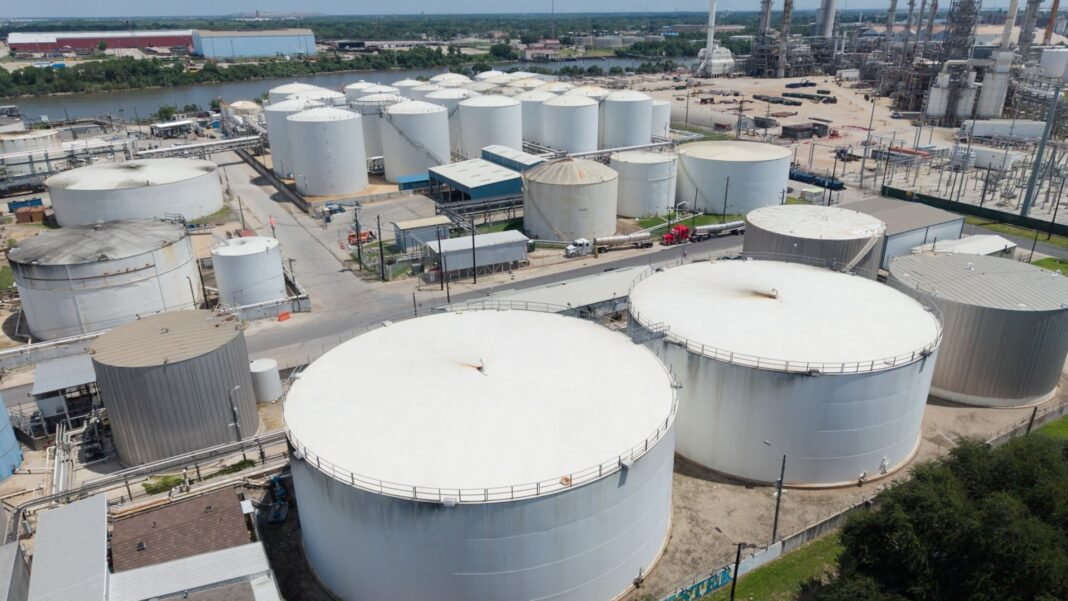
A prominent European financial institution recently reported increasing strain on worldwide oil inventories due to continued disruptions through vital shipping lanes like the Strait of Hormuz combined with declining reserves across major consuming regions.
- Total crude stockpiles worldwide decreased by nearly 250 million barrels during March-April 2024;
- Cumulative production deficits are projected to exceed one billion barrels by early June;
- Tanker storage capacity has risen significantly as rerouted exports from North America primarily target Asian markets offsetting some onshore inventory drops;
- The overall trend points toward sustained undersupply despite temporary logistical adaptations within global supply chains.
Consequences for Energy Security and Price Forecasts
The combination of geopolitical instability near crucial maritime chokepoints alongside fluctuating inventory levels underscores ongoing vulnerabilities within global energy security frameworks throughout 2024.
For instance, similar disruptions last year triggered price surges above $110 per barrel before easing due to coordinated releases from strategic petroleum reserves among leading consumer nations.
“Given current conditions, vigilant monitoring is essential since any further deterioration or breakdown in diplomacy could provoke swift price spikes impacting economies globally.”
Navigating an Unpredictable Energy Market Landscape
The complex interaction between regional conflicts involving Iran and evolving diplomatic initiatives continues influencing divergent price movements across benchmarks such as Brent versus WTI crude futures.
While Brent remains closely tied to risks surrounding Middle Eastern supply channels pushing prices upward,
WTI is more affected by internal U.S factors including expanding stockpile levels.
Meanwhile,
global inventory data reveals persistent deficits exacerbated by shipping challenges through critical passages like the Strait of hormuz.
Market participants remain alert amid these multifaceted developments shaping both short-term volatility
and long-term stability within international energy markets worldwide.