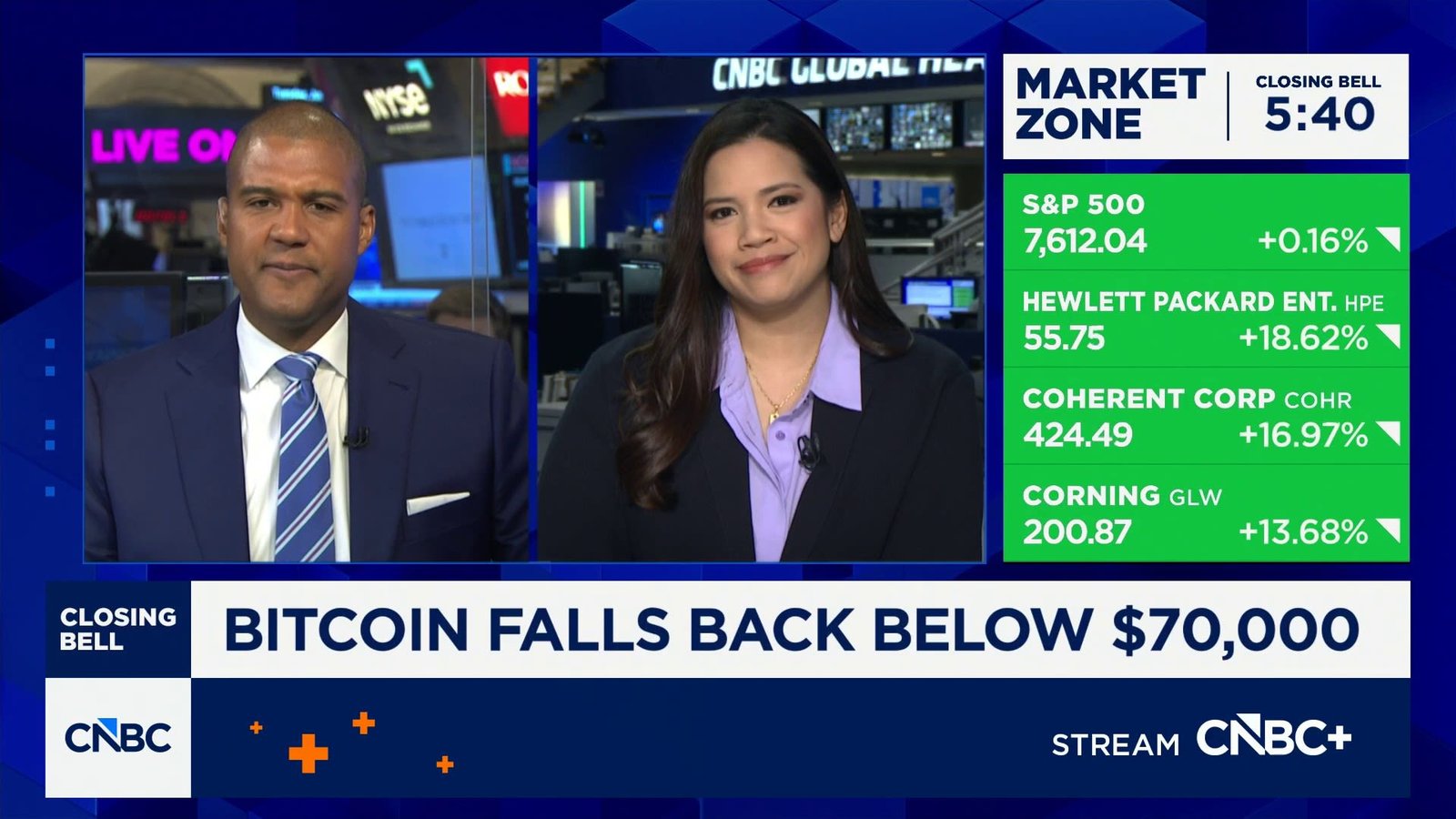
Bitcoin Experiences Important Drop Amid Shifting Market dynamics and Investor Behavior
Analyzing bitcoin’s Recent Price Decline and Market Repercussions
This past Friday, Bitcoin encountered a steep decline, hitting its lowest valuation since October 2024. The cryptocurrency fell by 3.4%, closing near $61,514.90 after earlier dipping too $59,099.25-its weakest point in over six months-resulting in an approximate weekly loss of 16%. This downturn has posed challenges for investors holding digital assets.
The sell-off was largely influenced by Strategy, the investment firm established by Michael Saylor, which liquidated part of its bitcoin reserves for the first time since 2022. This unexpected move triggered widespread market unease and sparked forced liquidations amounting to hundreds of millions of dollars across crypto exchanges, amplifying selling pressure.
adding to the strain on risk-sensitive assets like bitcoin was a stronger-than-anticipated U.S. jobs report released Friday morning that pushed Treasury yields upward, further dampening appetite for volatile investments.
Strategy Stock’s Volatility Mirrors Crypto Market Fluctuations
The shares of Strategy initially rebounded slightly after early losses but ultimately closed down 6.9% on the day and recorded thier worst weekly performance since November 2022 with a nearly 24% drop overall. This sharp decline highlights how closely some equities remain tethered to bitcoin’s price movements.
A Year in review: Bitcoin’s Broader Performance Context
currently hovering around $60,000 per coin, bitcoin has shed more than half its value compared to its all-time high near $126,000 reached in October 2025-a stark reminder of ongoing volatility despite increasing adoption worldwide.
Charles-Henry Monchau from Syz Group points out that this recent slump is not solely due to Strategy’s partial divestment but also reflects capital migration toward other rapidly growing sectors such as artificial intelligence stocks and semiconductor manufacturers-particularly evident within South Korea’s flourishing tech industry.
The Shift Toward emerging Technologies Among Retail Investors
“Retail investors are channeling funds into AI-focused companies and memory chip producers,” Monchau explains. “Moreover, excitement surrounding several major upcoming IPOs is diverting attention away from cryptocurrencies.” For instance, South Korea recently reported a year-over-year increase exceeding 20% in semiconductor exports amid surging global demand for AI hardware components.
Regulatory Setbacks: Clarity Act Delays Weigh on Crypto Confidence
The anticipated Clarity Act-a legislative measure expected to enhance regulatory certainty for crypto investors-is currently stalled due to political disagreements over key provisions and shifting priorities among lawmakers. The absence of clear timelines prolongs uncertainty surrounding bitcoin’s regulatory habitat.
Divergent Asset Trends Amid Geopolitical Unrest
Despite geopolitical tensions such as those involving Iran traditionally boosting interest in bitcoin as “digital gold,” recent months have seen contrasting patterns where stock markets reach new highs while bitcoin struggles under downward pressure.
“Just weeks ago there was an almost perfect correlation between bitcoin prices and major indices like Nasdaq and S&P500,” observes Rajiv Sawhney from Wave Digital Assets.
“however now this relationship has broken down; even as tech stocks soar globally during this period, bitcoin failed to keep pace.”
The Influence of bitcoin ETFs during Market Volatility
Bitcoin exchange-traded funds (ETFs), which historically influence price trends through billions in inflows or outflows annually-including net assets declining from $107.8 billion mid-May down close to $80 billion recently-finally experienced modest inflows around $3 million last Thursday after enduring their longest withdrawal streak ever at thirteen consecutive days.
A Contrarian Perspective: Viewing Dips as Strategic Entry Points
Certain analysts interpret these declines not as signals for panic but rather opportunities for accumulation amid volatility. Matt cole from Strive emphasizes that underlying fundamentals supporting bitcoin remain strong despite short-term fluctuations:
“This marks the fifth time Bitcoin has approached its long-term 200-week moving average; historically each occasion presented an excellent buying opportunity.”
Beyond Bitcoin: Emerging Security Concerns Surround Privacy Coins
Zcash Faces Scrutiny Following AI-Powered Security Assessment
Zcash-a privacy-centric cryptocurrency-recently suffered a significant drop after an AI-assisted security audit revealed vulnerabilities perhaps enabling counterfeit token creation risks previously undetected by developers or users alike within the ecosystem.
Navigating Today’s cryptocurrency Landscape: Key Takeaways
- Selling pressures intensify: Strategic asset sales combined with macroeconomic factors have accelerated downward momentum across leading cryptocurrencies including Bitcoin;
- Diversification trends reshape investment flows: Capital reallocations toward emerging sectors like artificial intelligence stocks are impacting crypto liquidity;
- Lackluster regulatory progress fuels uncertainty: Delays affecting pivotal legislation such as the Clarity Act continue weighing heavily on investor confidence;
- Divergent asset behavior persists: Despite geopolitical unrest typically favoring “digital gold,” conventional equity markets rally while cryptocurrencies lag behind;