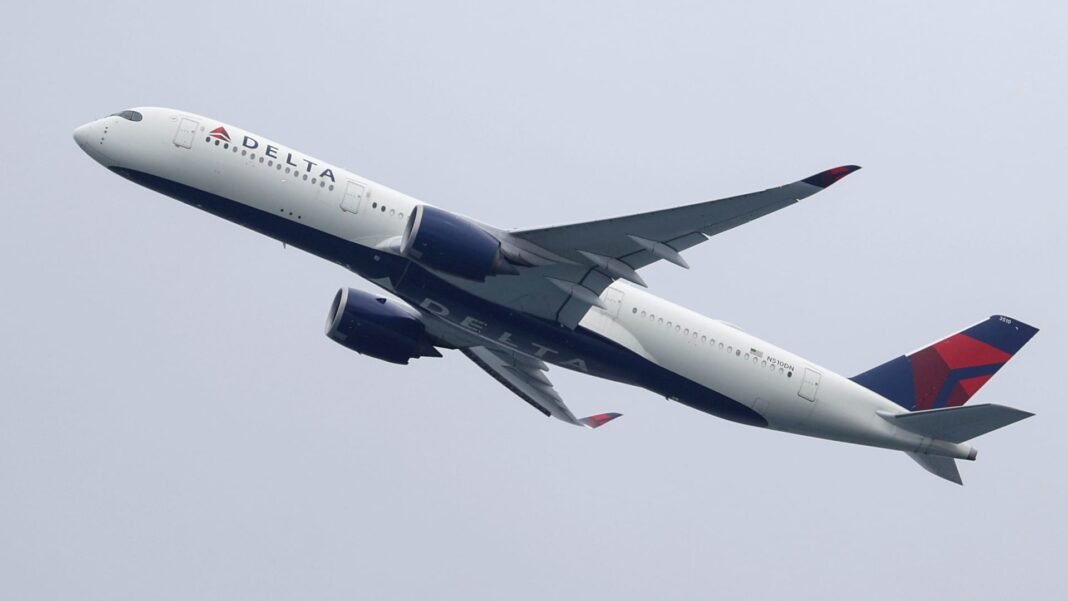
Delta and United Compete for Dominance in Trans-Pacific Aviation
Transforming U.S. Airlines’ Strategies Across the Pacific
Although Delta Air Lines currently leads the U.S. airline industry in overall profitability,United Airlines maintains a significantly stronger foothold throughout the Pacific region. This disparity has not gone unnoticed by Delta’s leadership, with its newly appointed president emphasizing a commitment to closing this gap.
“Our goal is to enhance our presence and accelerate expansion on trans-Pacific routes,” stated Delta’s president during a prominent aviation summit.”We aspire to become the leading American carrier across the Pacific and ultimately establish ourselves as a top global airline-a challenging yet attainable objective.”
Strategic Alliances and network growth
A cornerstone of Delta’s approach involves intensifying collaboration with Korean Air, especially following Korean Air’s merger with Asiana Airlines, which has created one of Asia’s largest airline conglomerates. This alliance is expected to improve route connectivity and elevate passenger experience across key markets.
In 2023, Delta posted net earnings surpassing $5 billion overall; however, its trans-Pacific operations generated around $2.8 billion in revenue-less than half of United’s nearly $6.9 billion from that region according to recent financial reports.
The Profit Potential of Long-Haul Flights
Flights spanning the Pacific Ocean are particularly lucrative due to their premium cabin offerings on wide-body aircraft designed for long distances.These services attract business travelers and first-class passengers willing to pay premium prices for enhanced comfort and convenience.
New Routes Signal Intensified Competition
- This month marked Delta’s launch of nonstop flights between Los Angeles and Hong Kong-a vital corridor linking North America with Asia’s major financial centers.
- United countered by unveiling plans for nonstop service from San Francisco to Sapporo, Japan-targeting affluent travelers drawn by exclusive winter ski destinations.
The Battle for High-Value Passengers Heats Up
Together, Delta and United dominate profit margins within the U.S. airline sector by focusing heavily on attracting affluent customers through superior services and strategic partnerships.
Over more than twenty years, Delta has built a reputation as America’s premier luxury carrier by investing extensively in upscale airport lounges worldwide alongside collaborations such as co-branded credit cards tailored toward frequent flyers seeking elite perks.
united’s Focus on Innovation & Global Expansion
Meanwhile, United has pursued an aggressive modernization strategy involving meaningful investments in advanced technology platforms coupled with large-scale aircraft acquisitions-including Boeing 787 Dreamliners-to broaden its international reach into emerging markets like Mongolia while adding unique destinations such as Croatia and Greenland.
Mature domestic Market Drives International ambitions
The U.S., holding the title as the world’s largest air travel market by passenger volume but experiencing modest domestic growth rates averaging 1-3% annually, encourages airlines like Delta to prioritize international expansion where demand remains strong despite global economic uncertainties.
“Looking forward,” emphasized Carter firmly, “our future lies beyond domestic borders-in international skies.”
A Rivalry Defined by Respect Yet Fierce Competition
United Airlines CEO Scott Kirby expressed admiration for Delta’s accomplishments while embracing their competitive challenge: “It is flattering that they see us as worthy rivals.” When asked about areas he aims to surpass them in Kirby responded succinctly: “Everything.”
An Ongoing Contest Fueled by Innovation & Resolve
Carter stressed that complacency is not an option: “We must stay relentlessly focused as competitors like United continuously evolve their strategies,” he said confidently before adding: “bring it on-we’re prepared.”
The Road Ahead: Who Will Lead Trans-Pacific Skies?
- Evolving Partnerships: Consolidation among Asian carriers may further alter competitive landscapes over coming years;
- Pioneering new Routes: Direct flights targeting niche luxury markets such as high-end ski tourism could redefine premium travel corridors;
- Differentiated Passenger Experiences: Enhanced onboard amenities combined with seamless digital integration will be critical factors distinguishing carriers;
This ongoing rivalry between two aviation powerhouses underscores how innovation paired with strategic vision continues shaping one of today’s most profitable sectors-the trans-Pacific air travel market-which remains poised for dynamic growth well into this decade.