Rising conflict: U.S. Moves to Seize Iran’s Oil Infrastructure Amid Heightened tensions
U.S.Eyes Control Over Iran’s Crucial Oil Export Facilities
The united States has escalated its pressure on Iran by threatening to take control of vital elements of the country’s oil export infrastructure, focusing particularly on Kharg Island, a key hub for Iranian crude shipments. This approach hints at a possible direct intervention in managing Tehran’s energy assets, drawing parallels with previous U.S. involvement in Venezuela’s oil sector.
Kharg Island: Central Node in Global Oil Supply
Before recent conflicts disrupted operations, Kharg Island accounted for nearly 90% of Iran’s crude oil exports, making it an indispensable artery for Middle Eastern petroleum reaching global markets. Its strategic location amplifies its significance amid ongoing geopolitical strife.
The U.S. Navy has effectively enforced a maritime blockade around Iranian ports adn vessels, severely curtailing Tehran’s capacity to export crude oil under mounting sanctions and military pressure.
Military Escalation and Strategic Maneuvers
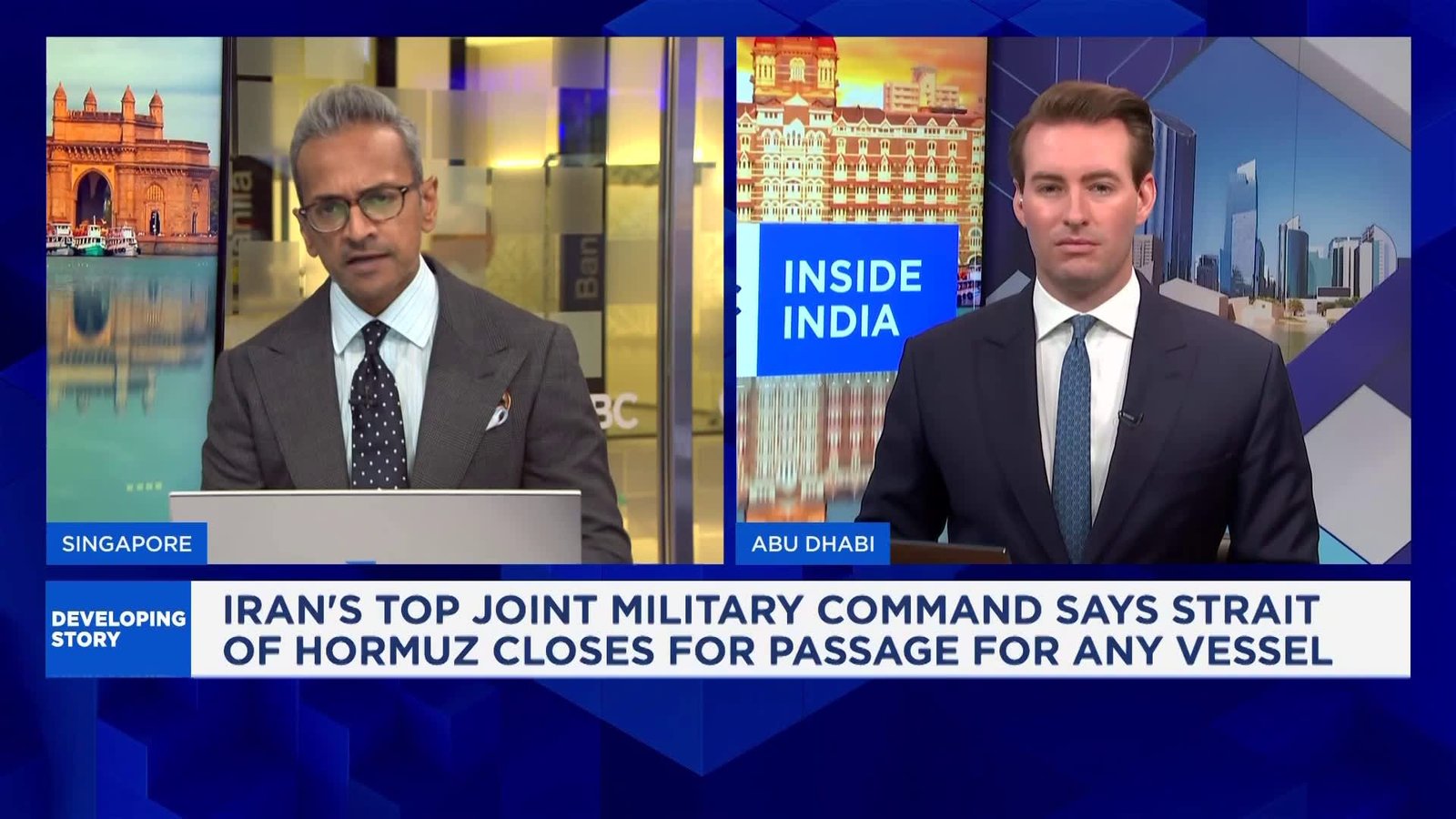
This week witnessed intensified air raids targeting military sites on Kharg Island following the downing of an Apache helicopter near the Strait of Hormuz-a critical passageway that previously handled about 20% of worldwide oil shipments before disruptions began.
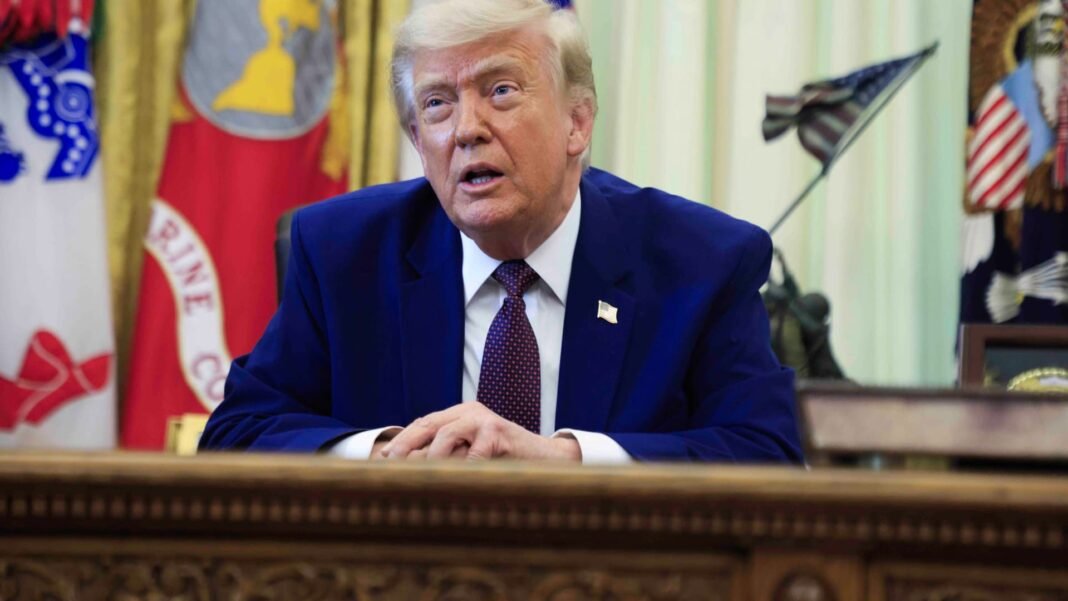
The president declared intentions to launch further strikes against Iranian targets but expressed hesitation regarding whether the United States is ready to execute a full-scale seizure operation within Iranian territory.
Navigating Between Diplomacy and Military Action
While military engagements have increased sharply, diplomatic channels remain active behind closed doors with efforts focused on reopening essential shipping lanes and limiting Tehran’s nuclear program ambitions. Nonetheless, Iran continues to assert firm control over the Strait of Hormuz and rejects Washington’s demands outright.
A Historical Parallel: Lessons from Venezuela’s Energy intervention
This strategy mirrors earlier American actions in venezuela where U.S. forces assumed command over that nation’s oil exports after displacing former leadership through targeted operations earlier this year. Revenues from Venezuelan crude sales are now managed by Treasury-controlled accounts while refined products are distributed across Gulf Coast refineries in the United States.
“We deployed $250 million worth of ordnance last night,” stated President Trump regarding recent strikes-reflecting both frustration with Tehran’s defiance and confidence in eventual compliance despite ongoing hostilities.
Global Repercussions: Market Volatility Amid uncertainty
The intensifying conflict has injected significant volatility into international energy markets as traders react nervously to potential interruptions along one of the world’s most vital maritime corridors for petroleum transport. Experts warn that any extended closure or escalation around these routes could deepen supply shortages already strained by instability elsewhere globally.
- Strait Significance: Nearly 20% of global oil shipments transited this narrow waterway before tensions escalated dramatically.
- Navy Blockade Impact: The imposed naval restrictions have drastically diminished Iran’s ability to sustain export volumes during wartime conditions.
- Diplomatic Fragility: Ongoing negotiations remain delicate yet crucial for restoring regional stability and ensuring uninterrupted global energy flows.
The Future Landscape Shaped by Energy Security Dynamics
This evolving crisis highlights how deeply intertwined geopolitics is with energy security today-where dominance over natural resources can influence power balances far beyond national boundaries.
As friction between Washington and Tehran endures, international markets vigilantly monitor developments that may redefine access to essential fuel supplies well into 2026 and beyond, underscoring an era where energy control equates directly with geopolitical leverage.