House Rejects Short-Term Renewal of foreign Surveillance Program Amid Leadership Dispute
Intelligence Appointment Controversy Stalls FISA Section 702 Extension
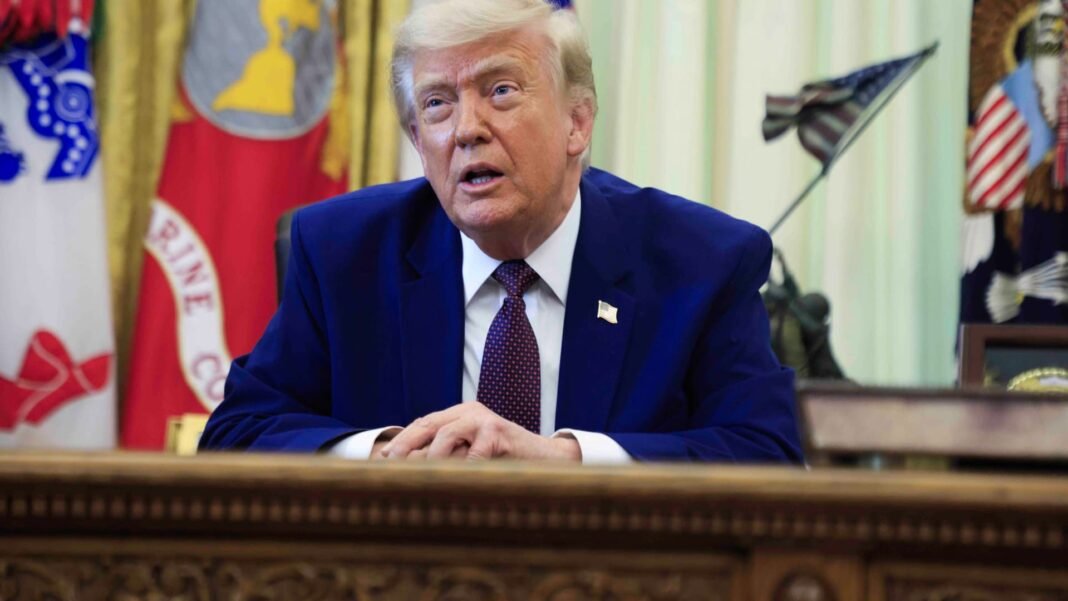
The U.S. House of Representatives voted against a proposal to temporarily extend the key foreign surveillance program, Section 702 of the Foreign Intelligence Surveillance Act (FISA), which is set to expire this Friday.This decision was heavily influenced by Democratic opposition linked to President Donald Trump’s contentious appointment of Bill Pulte as acting director of National Intelligence (DNI).
Pulte, who currently heads the Federal Housing Finance Agency, was appointed earlier this month despite having no prior experience in national security. His leadership at FHFA has been scrutinized due to investigations involving political opponents connected wiht mortgage-related controversies, raising bipartisan doubts about his qualifications for overseeing intelligence operations.
Privacy and Security Concerns Drive Democratic Resistance
Leading House Democrats collectively opposed the short-term reauthorization effort before Thursday’s vote, effectively blocking its passage. Speaker Mike Johnson attempted to pass the measure through a procedural rule requiring a two-thirds majority-typically reserved for non-controversial bills-but only secured 198 votes in favor versus 218 against.
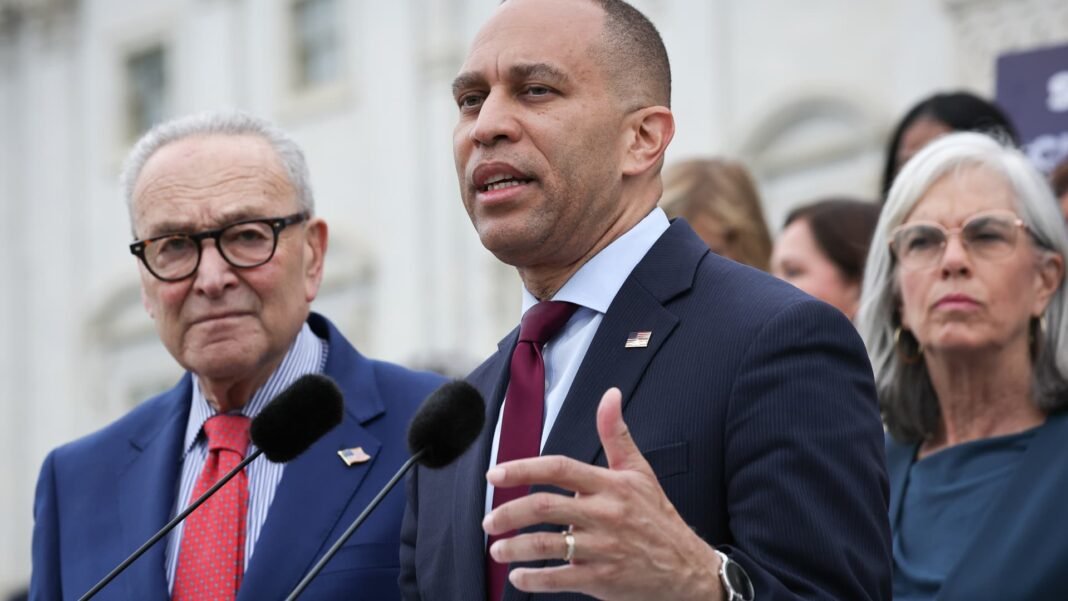
“Section 702 remains vital for foreign intelligence collection; though,we cannot support its renewal without significant reforms that protect both national security and Americans’ constitutional privacy rights,” declared House Minority Leader Hakeem Jeffries alongside senior Democrats Katherine Clark and Jamie Raskin.
“Bill Pulte’s appointment contravenes legal mandates demanding extensive national security expertise for the DNI position. His selection appears driven by his readiness to misuse government databases against President Trump’s political adversaries.”
The Function and Controversy Surrounding Section 702 Authority
Section 702 permits U.S. intelligence agencies to collect communications from foreign individuals interacting with people inside U.S. borders-a practice that has ignited fierce debate over privacy rights versus national security imperatives. Privacy advocates warn about incidental data collection affecting American citizens, while proponents stress its indispensable role in counterterrorism efforts.
“FISA is our frontline defense against terrorists targeting americans,” emphasized Speaker Johnson during remarks outside the House chamber prior to voting.
Bipartisan Breakdown on Multi-Year Extension Amid Political Unrest
efforts last week aimed at securing a multi-year extension collapsed after Senate resistance grew following Trump’s announcement of Pulte as temporary DNI.
Divergent Republican Opinions on DNI Appointment Affect Legislative Outlook
- Nebraska Representative Don Bacon urged President Trump to reconsider Pulte’s nomination as a condition for passing any FISA extension legislation before Congress adjourns later this year.
- Despite internal GOP disagreements, Trump reiterated support via social media posts affirming Pulte would assume office on June 19 and called on Congress for a brief FISA extension “to allow time for selecting and confirming a permanent agency head.”
- The president underscored Section 702’s significance “to our Military,” especially during major upcoming events such as international sports tournaments and nationwide celebrations planned throughout this year.
navigating National Security Demands versus Civil Liberties in an Evolving Threat Landscape
This episode highlights persistent tensions between protecting national interests through surveillance programs and upholding individual privacy rights amid shifting political dynamics. With cyberattacks rising more than 30%% globally over the past year according to recent cybersecurity analyses, effective oversight of intelligence activities is increasingly critical.
The controversy also exemplifies broader challenges when appointing leaders lacking traditional expertise into sensitive roles responsible for managing classified details-a scenario reminiscent of previous debates over politically motivated appointments influencing public policy enforcement without domain-specific qualifications.