US-Iran Talks in Switzerland Amid Heightened Lebanon Crisis
As tensions escalate in Lebanon, the united States and Iran convene in Burgenstock, Switzerland, with mediation efforts led by Qatar and Pakistan to prevent further regional instability.
Escalating Conflict and Its global Ripple Effects
The strained relations between the US and Iran have sent shockwaves through international energy markets, pushing crude oil prices beyond $115 per barrel recently. This surge follows a tentative memorandum of understanding (MoU) aimed at reducing hostilities linked to Israel’s actions. despite this agreement,recent Israeli military strikes within Lebanese territory have intensified violence,causing significant civilian casualties over the weekend.
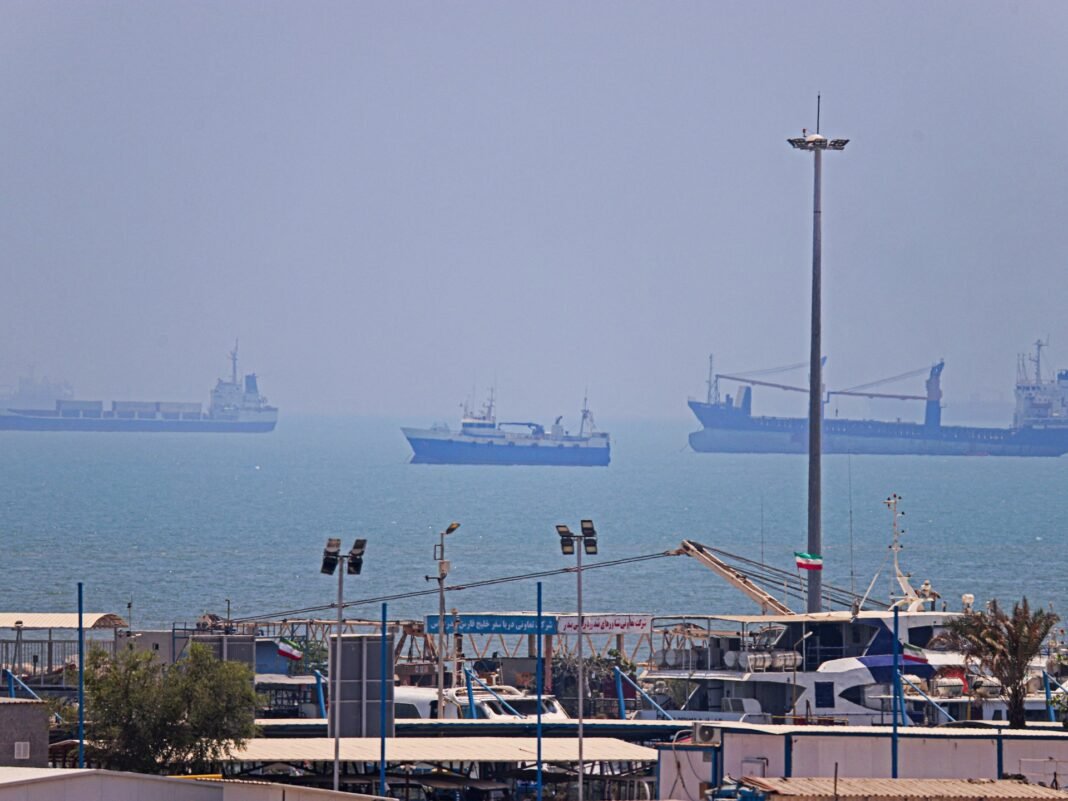
In retaliation for these developments, Iran’s Islamic Revolutionary Guard Corps (IRGC) announced a blockade of the Strait of Hormuz-a vital maritime passage responsible for nearly 20% of global oil exports-citing breaches of ceasefire agreements by Israel inside Lebanon. the Iranian delegation includes Parliament Speaker Mohammad bagher Ghalibaf and Foreign Minister Abbas Araghchi as they engage with US officials in ongoing negotiations.
Diplomatic Initiatives Shaping Regional Stability
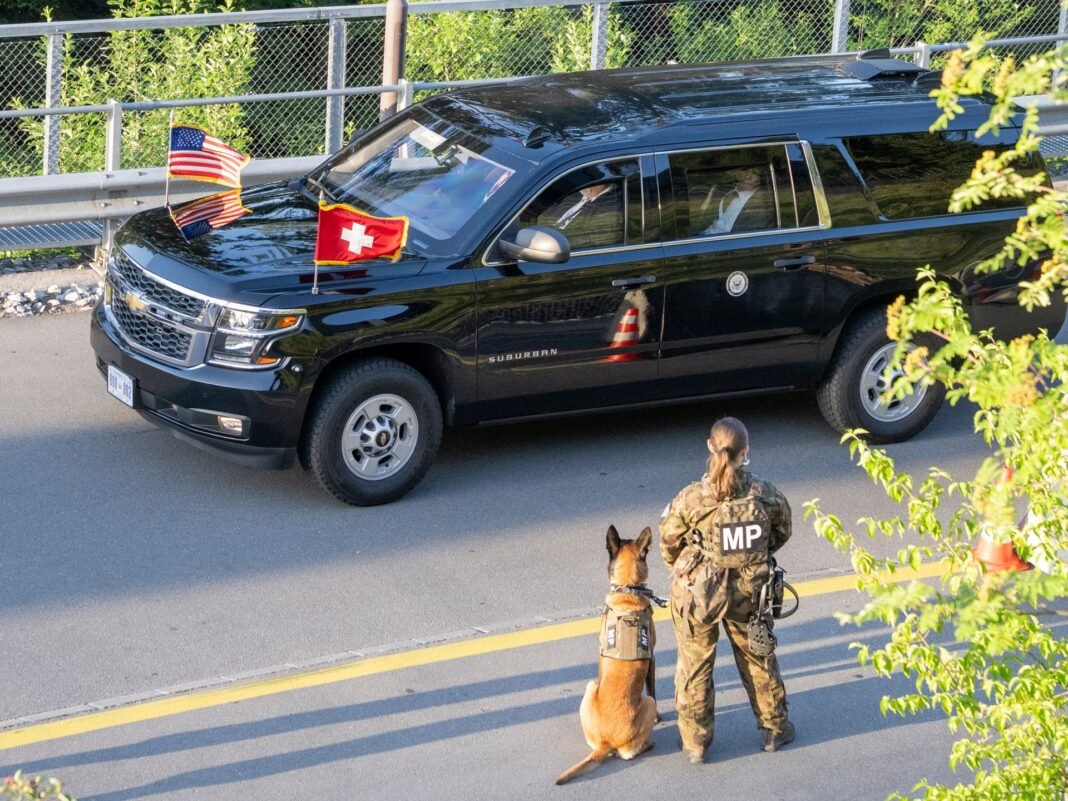
- The US Vice President JD Vance arrived in Burgenstock to spearhead talks scheduled for Sunday alongside key advisors such as former special envoy Steve Witkoff and Jared Kushner. Vance expressed cautious optimism about progress on nuclear discussions coupled with efforts to secure a ceasefire concerning lebanon’s conflict.
- Iranian representatives reaffirm their dedication to enforcing compliance from all involved parties under the interim peace framework designed to halt hostilities swiftly.
- A spokesperson from Iran’s Foreign Ministry emphasized Tehran’s insistence on tangible commitments from Washington regarding its MoU responsibilities while demanding clear implementation plans before moving forward.
- Pakistan has actively joined mediation attempts; Prime Minister Shehbaz Sharif together with military chief field Marshal Asim Munir traveled to Switzerland signaling Islamabad’s commitment toward facilitating full adherence between Tehran and Washington.
- The Qatari Prime Minister Sheikh Mohammed bin Abdulrahman Al Thani is also expected at these critical discussions amid concerns that escalating Israeli attacks on Lebanese soil could undermine diplomatic gains achieved earlier this week through electronic communications involving former US officials and Iranian counterparts.
- A concurrent regional dialog hosted by Egypt will bring together foreign ministers from Saudi Arabia, Turkey, Pakistan reflecting an emerging preference among middle Eastern nations for resolving disputes via regional diplomacy rather than external interference or military escalation.
Inside Iran: Domestic Perspectives Amid Negotiations
- Mohammad Mokhbar, an advisor close to Supreme Leader Mojtaba Khamenei, warned against accepting superficial deals lacking concrete follow-through from Washington. he highlighted that economic sanctions remain America’s primary leverage but cautioned that failure could disrupt energy supplies crucial both regionally and globally.
- Iranian media reports stress Tehran will only implement terms if Israel fully complies-a responsibility they place squarely on American shoulders as guarantors of enforcement obligations under current agreements.
- The nation’s oil industry stands ready for change pending prosperous peace accords; Oil Minister Mohsen Paknejad revealed plans involving hundreds of investment projects poised for activation post-agreement which could inject billions into global markets grappling with supply chain disruptions caused by conflict-related sanctions worldwide.
- an illustrative example comes from Amir Ghalenoei-the national football coach-who described mounting difficulties preparing his team ahead of their World Cup match against Belgium due partly to travel restrictions imposed amid geopolitical tensions affecting athlete mobility across North America where matches are held this year.
Diverse Views Within the United States Political Sphere
- Former President Donald Trump declared no tolls would be accepted through strategic waterways like the Strait of Hormuz unless collected directly by US authorities following IRGC’s temporary closure announcement amid rising hostilities impacting roughly one-fifth of global energy transit routes.
- Technology adviser david Sacks praised the MoU calling it “a meaningful breakthrough” compared with prolonged warfare scenarios; he dismissed proposals advocating ground invasions citing logistical impossibility given Iran’s vast size requiring potentially millions deployed troops-labeling such moves “catastrophic.”
- Certain Democratic lawmakers continue criticizing Trump’s approach toward managing conflict escalation labeling his policies “disastrous” while expressing skepticism about durability or sincerity behind current peace efforts.
The Human Cost: Lebanon Caught in Crossfire
- An Israeli airstrike struck Sohmor village located within lebanon’s western Bekaa Valley killing five civilians including children and elderly residents according to local health authorities; additional fatalities occurred among Palestinian communities near Tire district amidst ongoing clashes..
“The humanitarian toll continues mounting even as diplomatic channels strive desperately towards resolution.”
- An exchange involving rocket fire resulted in casualties among Israeli soldiers stationed near Kfar Tebnit area further intensifying cross-border confrontations according reports emerging Sunday morning.
Israeli leadership reportedly instructed restraint except where active combat persists around Ali al-Taher hills close Nabatieh city signaling cautious operational posture amid volatile security habitat.
..