US-Iran Talks in Switzerland Amid Heightened Strait of Hormuz Tensions
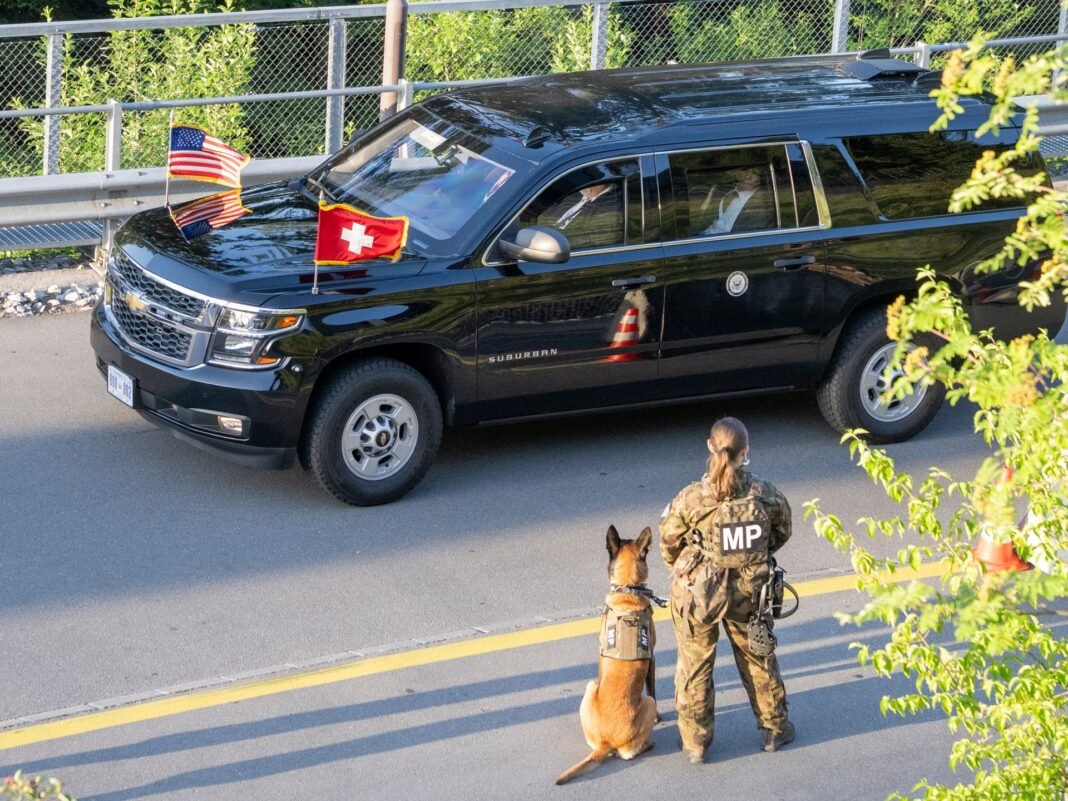
United States Vice President JD Vance has arrived in Switzerland to participate in critical negotiations with Iranian officials, aiming to enforce a recently established interim agreement designed to de-escalate hostilities between the two nations.
Commencement of Diplomatic Dialog in the Swiss Alps
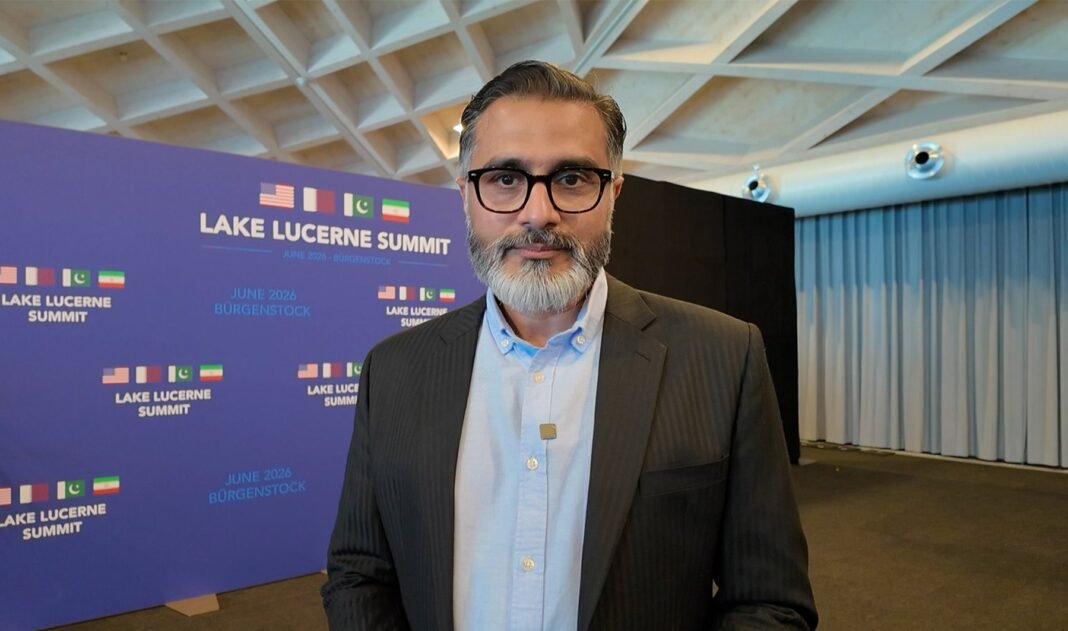
The discussions are unfolding at the Buergenstock resort, a tranquil mountain venue selected for its neutrality and seclusion. The talks began early Sunday morning,facilitated by mediators from Qatar and Pakistan who are helping bridge communication between Washington and Tehran.
The US delegation is headed by Vice President Vance, while Iran’s lead negotiator is Mohammad Bagher Ghalibaf. both sides expect several days of intense deliberations centered on nuclear programme limitations and regional security challenges.
main Issues: Nuclear Restrictions and Lebanese Ceasefire
Vance conveyed cautious optimism regarding progress toward curbing Iran’s nuclear development ambitions alongside efforts to secure a ceasefire in Lebanon. Conversely, Iranian Foreign ministry spokesperson Esmaeil Baghaei emphasized that halting violence in Lebanon remains paramount, coupled with resolving disputes over frozen Iranian assets and oil export restrictions.
“The United States prioritizes immediate action on nuclear concerns, whereas Iran insists peace must first be restored in lebanon,” noted an analyst reporting from Buergenstock.
Strait of Hormuz: Rising Threats Amid Diplomatic Breakthroughs
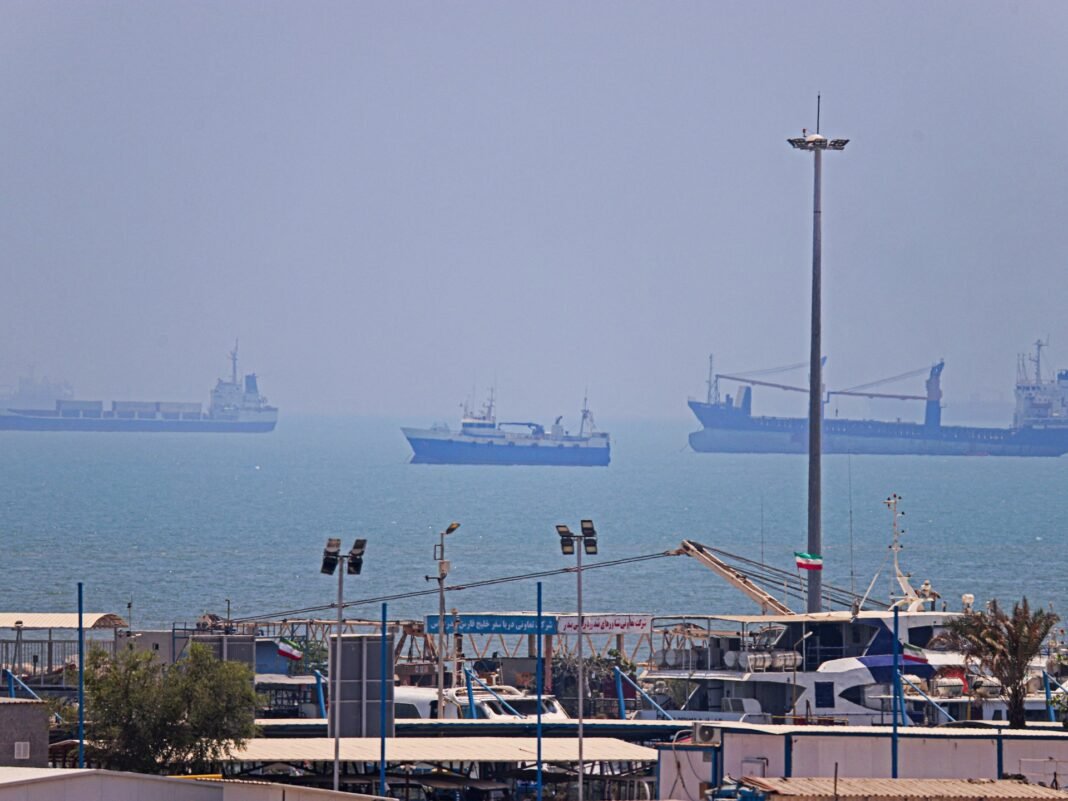
This diplomatic initiative faces notable hurdles as Iran’s Islamic Revolutionary Guard Corps (IRGC) announced intentions to close the strategically vital Strait of Hormuz following Israeli airstrikes inside Lebanon. This narrow waterway channels nearly 20% of global oil shipments daily-over 18 million barrels according to recent maritime data-making it crucial for international energy markets.
Despite IRGC warnings about potential dangers for vessels navigating these waters, US Central Command reported uninterrupted commercial shipping activity with 55 merchant ships passing through on Saturday alone. CENTCOM reaffirmed its commitment to ensuring free navigation through this essential corridor supporting global energy supplies.
The Strategic Tightrope: power Play Versus Economic Realities
Security analysts caution Tehran against leveraging control over the strait to aggressively. Wolfgang Pusztai, former Austrian defense attaché, pointed out that much of the traffic transiting Hormuz is destined not for Western countries but major Asian economies such as China, India, and Pakistan-partners whose cooperation Iran cannot risk alienating amid ongoing sanctions pressure.
The Fragility Underpinning the Interim agreement
The ceasefire extension agreed upon earlier this week was intended as a 60-day period during which both parties would negotiate broader terms addressing nuclear constraints alongside regional security issues including hostilities in Lebanon. Though,persistent Israeli airstrikes have strained this delicate truce; recent attacks attributed by Israel to Hezbollah provocations resulted in dozens killed across southern Lebanon.
Iranian officials accuse Israel of repeatedly violating ceasefire commitments while Hezbollah responded with cross-border assaults targeting Israeli positions.The conflict has already claimed five Israeli soldiers’ lives as signing-the stark reality underscoring how precarious peace remains across multiple fronts.
Larger Geopolitical Stakes Within lebanese conflict
Lebanon serves not only as a battleground but also symbolizes Tehran’s strategic foothold throughout the Middle East via its support for Hezbollah-the central group within what experts term Iran’s “axis of resistance.” Maintaining influence here signals Tehran’s intent both to protect allies and assert regional dominance amid shifting alliances following escalations elsewhere.
Tackling Complex Issues: Frozen Assets & Sanctions Relief
A pivotal topic under negotiation involves unfreezing billions worth of Iranian funds held abroad due to longstanding sanctions imposed by Washington related primarily to nuclear compliance concerns and human rights issues. Additionally reopening avenues for oil exports remains critical given petroleum revenues account for approximately 40% of Iran’s GDP according to recent economic analyses-sanctions relief thus being vital amid inflation rates surpassing 50% annually reported by independent market observers monitoring Iranian economic conditions closely.
- Cessation of hostilities across all conflict zones including Lebanon;
- Easing or lifting maritime blockades impacting trade routes;
- Reopening access through key waterways such as Strait of Hormuz;
- Release or partial thawing frozen financial assets;
- Lifting restrictions specifically targeting oil exports and petrochemical industries;
Navigating Uncertainty Toward Sustainable Solutions
This round aims less at finalizing every contentious issue then initiating tangible steps aligned with these priorities above. Both delegations acknowledge failure risks exacerbating instability within an already volatile region where proxy conflicts could escalate into broader confrontations involving global powers engaged economically or militarily nearby.
Mediators’ Crucial Role Amid Regional Dynamics
Mediators from Qatar and Pakistan play indispensable roles bridging communication gaps between Washington and Tehran while managing expectations among stakeholders heavily invested politically and economically throughout Middle Eastern theaters affected by these developments-including Gulf Cooperation Council states concerned about spillover effects threatening their own security environments amidst fluctuating oil prices now hovering near $95 per barrel globally due partly to supply chain uncertainties linked directly back here at home tensions around Hormuz passageways remain central worldwide market concerns given their direct impact on energy costs affecting everything from transportation fuel prices up through manufacturing expenses internationally today more than ever before considering inflationary pressures compounded further by geopolitical instability vividly reflected throughout ongoing US-Iran tensions discussed deep within this Swiss alpine retreat setting conducive yet fraught concurrently with urgency required resolve lasting solutions urgently needed globally alike .