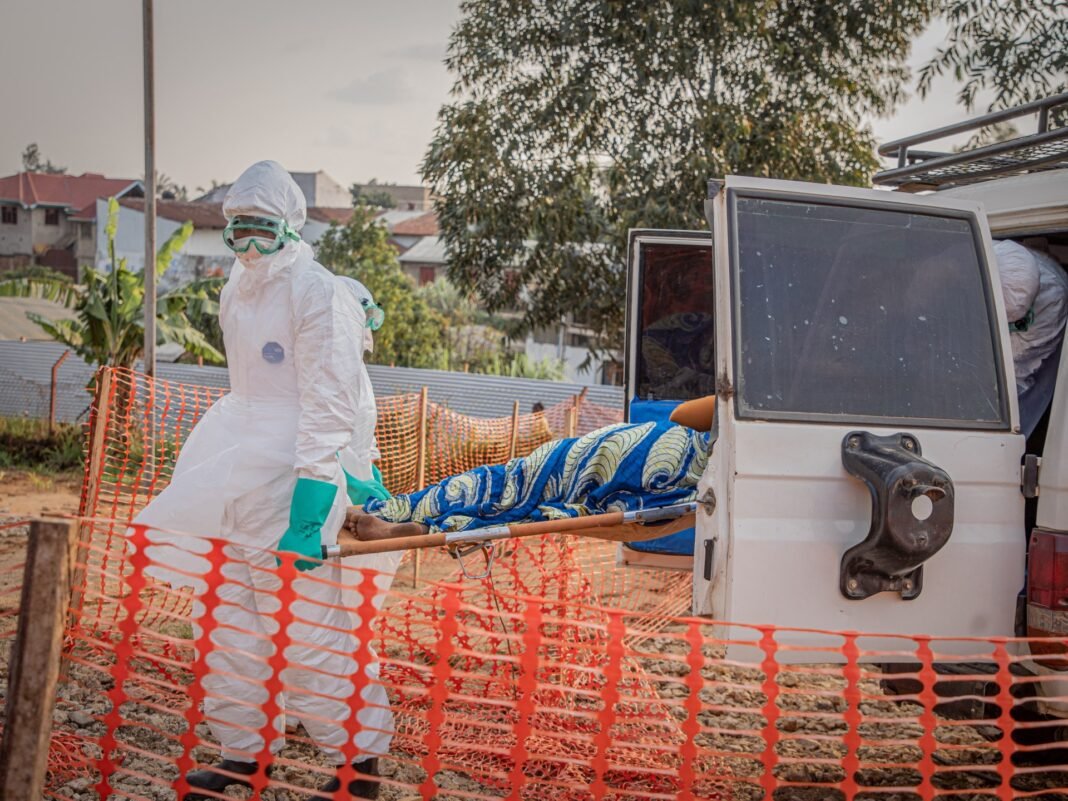
Expansion of Ebola Cases in Northeastern Democratic Republic of the Congo
The Democratic Republic of the Congo (DRC) is confronting a growing Ebola epidemic that has now spread to four provinces,including Haut-uele,which borders South Sudan and the Central African Republic. This marks a troubling increase in the virus’s geographic reach.
Updated data and Regional Impact
Recent figures indicate there are 1,307 confirmed Ebola infections across the DRC, with 377 deaths recorded. Initially confined to Ituri, North Kivu, and South Kivu provinces, new cases have emerged in Haut-Uele following an infected person’s movement from Bunia-the capital of Ituri-to this adjacent region.
This advancement means nearly all northeastern parts of the country-home to roughly 15 million residents-are now at heightened risk amid ongoing public health challenges.
Main Outbreak Zone and Transmission Factors
The outbreak’s focal point remains Ituri province, an area already destabilized by armed conflict. The first case was identified there in May during what is recognized as DRC’s seventeenth Ebola epidemic. Traditional funeral rites have significantly contributed to spreading the virus; these ceremonies often involve extended physical contact with deceased bodies over several days.
Experts highlight that handling corpses without proper protective measures greatly increases transmission risk due to Ebola’s high infectivity after death. Attempts to introduce safe burial protocols face resistance fueled by local skepticism toward healthcare workers and aid organizations.
Obstacles Encountered by Medical Teams
Treatment centers such as those located in Rwampara confront numerous difficulties including shortages of essential supplies like personal protective equipment (PPE), antiviral drugs, rapid diagnostic tests, and body bags needed for secure containment procedures.
“Health facilities have been targeted; tents were torched last month amid community hostility,” report frontline responders. “Distrust persists despite urgent demands for medical resources.”
Government Actions Amid Escalating Threats
To mitigate further spread and protect public safety, authorities have banned public gatherings across four provinces-including Kinshasa-aiming to reduce transmission risks ahead of planned protests against constitutional reforms scheduled for early July. However, opposition groups criticize these restrictions as politically motivated rather than purely health-related measures.
Strategies Moving Forward: Containment Efforts
- Enhanced Contact Tracing: Health officials are ramping up identification efforts targeting individuals exposed to confirmed cases to break transmission chains swiftly.
- Culturally Sensitive Community Outreach: Building trust through respectful communication encourages acceptance of interventions such as vaccination drives and adherence to safe burial practices tailored around local customs.
- Adequate Resource Provision: Prioritizing delivery of PPE supplies alongside recently approved treatments like monoclonal antibodies-and expanding laboratory testing capabilities-remains vital for effective outbreak control.
A Broader Look at Infectious Disease Challenges Globally
This recent escalation mirrors global patterns where infectious diseases exploit fragile healthcare infrastructures weakened by conflict or displacement. For example, Nigeria experienced a important Lassa fever surge affecting urban populations earlier this year while Uganda continues facing recurrent Marburg virus outbreaks linked similarly to traditional funerary customs involving close contact with deceased relatives.Ebola outbreaks underscore persistent gaps in global preparedness especially when socio-political instability complicates timely response efforts worldwide.