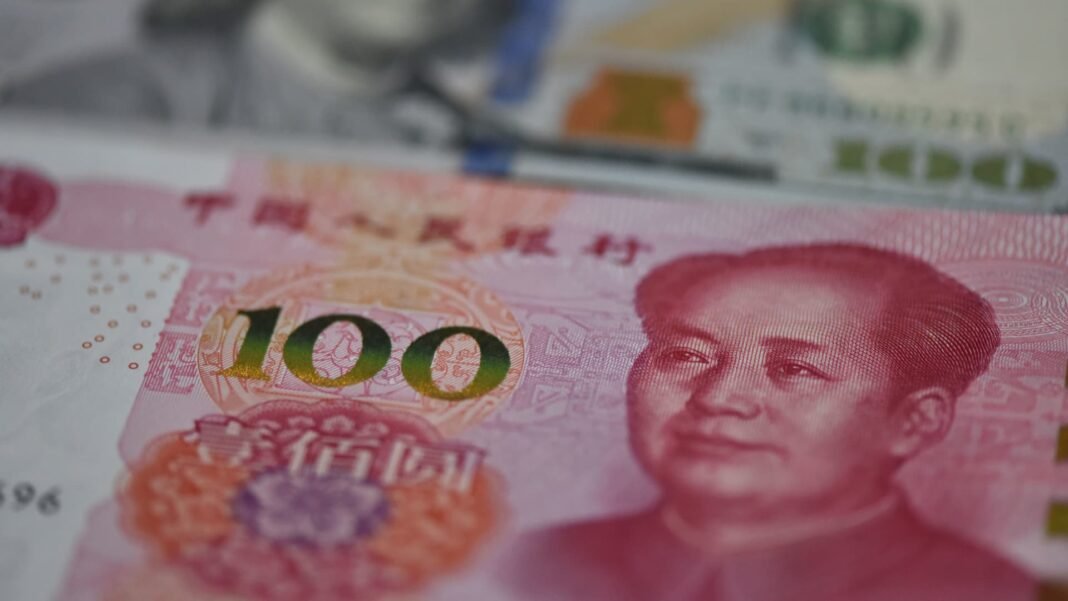
China’s Strategic Drive to Challenge Dollar Supremacy: key Takeaways from the Lujiazui Forum
Every june, Shanghai becomes the focal point for financial visionaries, regulators, and policymakers at the Lujiazui Forum. This event has grown into a crucial platform were China articulates its ambitions to reshape global finance in line with its national priorities. While Davos remains a hub for global economic dialog, Lujiazui increasingly reflects Beijing’s intent to influence international monetary systems amid today’s intricate geopolitical surroundings.
The Gradual Rise of the Renminbi on the Global Stage
Since the 2008 financial crisis, China has steadily worked toward elevating the renminbi (RMB) as an international currency. Efforts include launching RMB trade settlement programs, creating offshore clearing centers in key regions such as Europe and Asia, and expanding currency swap agreements with more than 40 countries by mid-2024. Additionally, China developed alternative payment infrastructures like CIPS (Cross-Border Interbank Payment System) to reduce reliance on dollar-based networks. Despite these advances increasing RMB usage globally,they have yet to significantly challenge U.S. dollar dominance.
This year’s announcements at Lujiazui align closely with China’s 15th Five-Year Plan (2026-2030), which explicitly aims to establish China as a “global financial powerhouse.” Unlike Western perceptions that often dismiss these plans as aspirational documents, Chinese Five-year Plans serve as binding strategies directing government agencies and state-owned enterprises’ resource allocation. The current plan focuses heavily on enhancing Shanghai and Hong kong’s roles as international finance hubs while boosting offshore RMB liquidity facilities designed specifically for foreign central banks and sovereign wealth funds.
Constructing Financial Systems Beyond Dollar Dependence
The broader goal behind these initiatives is not simply competing with the dollar but building an alternative global financial framework less vulnerable to U.S.-controlled mechanisms. For decades Washington has wielded dollar supremacy strategically-enforcing sanctions against nations like Iran or Russia and controlling critical clearinghouses such as SWIFT-to influence capital flows worldwide. Beijing recognizes that minimizing exposure to this leverage is essential for safeguarding its strategic independence.
This strategy extends beyond outright displacement of the dollar; it seeks parallel channels enabling countries-especially in Africa, Southeast Asia, and Latin America-to diversify their reserves away from exclusive dependence on dollars. Recent geopolitical disruptions caused by inconsistent sanctions enforcement have accelerated interest among many nations eager to hedge risks associated with overreliance on any single currency system.
A Broader Geopolitical Contest Beyond Currency Competition
China’s push transcends monetary policy-it embodies a wider struggle over global influence between Washington and Beijing. Since World War II, U.S economic power projection has been undergirded by the dollar’s reserve status providing unparalleled advantages:
- Sanctions Enforcement: The ability of U.S authorities to block access to dollar-based transactions offers diplomatic leverage unmatched even by historic empires.
- Control Over Capital Flows: Influence over international compliance standards shapes investment trends favoring American interests worldwide.
- Navigating Global Finance infrastructure: Command over cross-border payment systems affects vital sectors including energy markets-which handle approximately $8 trillion annually-and sovereign debt issuance exceeding $35 trillion globally.
This concentration of power motivates China’s determination not only because it restricts Beijing’s autonomy but also because emerging economies seek alternatives amid growing concerns about “weaponized” finance wielded unpredictably by Washington in recent years.
Cautious optimism Coupled With Strategic Prudence Among Western Investors
The reaction from Western investors oscillates between excitement about new opportunities presented by expanding RMB bond markets or offshore trading platforms-and caution regarding political risks embedded within China’s tightly regulated capital controls. While increased market access may appear attractive-for example pension funds eyeing exposure estimated around $180 billion-the reality is that reforms are carefully calibrated primarily toward risk mitigation rather than full liberalization comparable with developed economies’ open capital accounts.
This measured approach suggests geopolitical risks tied to investments linked with China could intensify despite apparent openings announced during forums like Lujiazui.
Bipartisan Concerns Over Exposure Heighten in Washington
An unusual bipartisan consensus is forming among U.S lawmakers concerning engagement with Chinese markets: progressive voices raise alarms about national security implications while conservative hawks push for tighter restrictions on capital flows supporting sectors connected directly or indirectly with military modernization efforts within China.
- Pension fund Oversight: Congressional committees are scrutinizing how public retirement funds invest in companies tied closely to strategic industries inside China.
- Sovereign Investment Screening Expansion: Efforts continue toward broadening outbound investment reviews aimed at preventing technology transfers detrimental to American competitiveness.
- Bipartisan Legislative Momentum: Depending on post-2026 election outcomes-with Democrats perhaps regaining House control or Republicans intensifying pressure-a renewed legislative focus targeting Wall Street’s exposure seems likely.
The Emergence of Multipolar Financial Systems Globally?
A growing number of countries outside America view diversification away from sole reliance on dollars pragmatically-not out of allegiance toward Beijing but driven by desires for resilience amid uncertain geopolitics. Nations including Canada; ASEAN members such as Malaysia; middle Eastern states like Saudi Arabia; plus many African economies are increasingly exploring enhanced use of RMB-denominated trade settlements alongside traditional currencies.
“The era when one currency dominates all facets of international commerce appears gradually fading,” note economists observing shifts after recent conflicts where energy trades now frequently involve euros or yuan alongside dollars.”
This evolving landscape indicates that although renminbi overtaking USD globally remains unlikely soon-due largely to trust issues surrounding governance clarity-the rise of credible alternatives will transform how governments manage reserves & conduct cross-border payments throughout this decade.
Navigating Future Challenges & Opportunities ahead
- Lujiazui Forum signals concrete progress; It embodies actionable steps embedded within national planning frameworks aimed at sustained progress towards robust offshore RMB ecosystems capable eventually challenging entrenched norms.
< li >< em >< strong > Diversification versus Displacement; Current discourse should emphasize understanding multipolarity impacts risk management strategies globally rather than focusing solely on outright replacement ambitions.
< li >< em >< strong > Heightened Vigilance Required; Investors must weigh potential returns against increasing regulatory scrutiny both domestically & internationally concerning ties involving Chinese entities linked strategically.
< li >< em >< strong > Rising Geopolitical stakes; Policymakers need integrated approaches combining economic diplomacy alongside defense considerations acknowledging intertwined nature between finance & security domains.
< p > Viewed through lenses emphasizing economics , politics , or security , China’s steady progression towards becoming an influential “financial powerhouse” demands serious attention . Ignoring these developments risks underestimating shifts poised reshaping twenty-first century global order .