Health Implications of Prolonged Exposure to Wildfire Smoke
Breathing in wildfire smoke over extended periods presents serious health hazards, especially for sensitive groups such as elderly individuals, young children, pregnant women, and those with pre-existing medical conditions.The consequences can range from temporary irritation to lasting health complications.
Identifying Vulnerable populations at Risk
People most at risk from the adverse effects of wildfire smoke include those with chronic respiratory or cardiovascular diseases, seniors whose immune defenses may be diminished by age, developing children with immature lungs, and expectant mothers whose well-being directly influences fetal growth. Even low concentrations of smoke can disproportionately impact these groups.
The Expanding Reach and Severity of Recent Wildfires
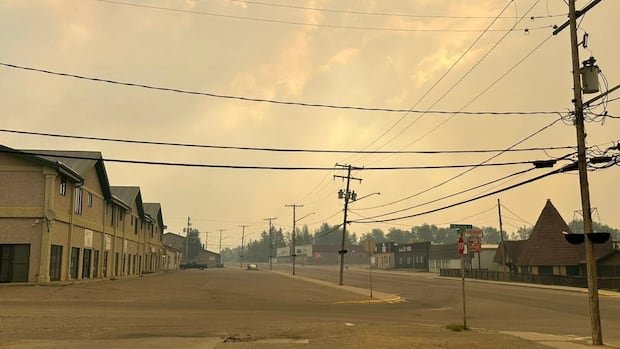
This wildfire season has been notably intense across regions like California’s Sierra Nevada foothills and parts of the Pacific Northwest. Over 15 million acres have burned so far-an area roughly equivalent to the size of South Carolina-with tens of thousands displaced due to advancing flames. The resulting smoke plumes have traveled far beyond local zones; satellite data shows particulate matter drifting into neighboring states such as Oregon and Idaho before crossing into Canada’s British Columbia.
In a striking exmaple of global atmospheric transport, fine particles from recent wildfires in western North America were detected thousands of kilometers away over northern Europe within days-a trend increasingly linked to climate-driven increases in wildfire frequency and intensity worldwide.
The Complex Makeup and Health Consequences of Wildfire Smoke
Wildfire emissions consist mainly of carbon monoxide gases combined with volatile organic compounds (VOCs) alongside microscopic particulate matter known as PM2.5-particles smaller than 2.5 microns that penetrate deep into lung tissue causing inflammation. These pollutants exacerbate existing respiratory ailments while triggering new symptoms even among healthy individuals.
mild reactions often include itchy or watery eyes, nasal irritation or congestion, persistent coughing fits, headaches related to poor air quality indoors or outdoors, and sore throats. Although these symptoms typically subside once air quality improves after fires diminish:
- Severe exposure may lead to difficulty breathing, chest discomfort or wheezing;
- Dizziness or irregular heart rhythms can occur in sensitive persons;
- Lung inflammation raises susceptibility to infections like pneumonia;
- Chronic illnesses such as diabetes may worsen under sustained exposure.
the Impact on Newborns During Fire Seasons
A study examining birth outcomes during fire seasons between 2018-2021 revealed that infants born following maternal exposure experienced higher rates of ear infections and lower respiratory tract illnesses within their first year compared with unexposed peers. Furthermore, babies born after heavy prenatal smoke exposure tended toward lower birth weights, highlighting concerns about developmental risks tied directly to airborne toxins released by wildfires.
Practical steps for reducing Health Risks Amid Smoke Events
- Create cleaner indoor air spaces: Keep windows tightly closed during smoky episodes; utilize HEPA filters integrated into HVAC systems if available; alternatively,a portable air purifier designed for fine particle removal can significantly improve indoor air quality.
- D.I.Y Air Filtration Alternatives:If commercial purifiers are unavailable,a box fan fitted with MERV-13 rated furnace filters effectively lowers indoor particulate levels when assembled correctly.
- avoid outdoor exertion when pollution spikes:air quality health index scores . Limit time outside especially during peak fire activity indicated by elevated PM readings surpassing public health safety limits.
- If home environments become intolerable due to heat or dense smoke:
- Seniors & chronically ill individuals should promptly seek medical advice if symptoms intensify post-exposure;
- Stay informed through official updates on evolving wildfire forecasts so you can proactively implement protective measures rather than react after symptoms arise.
The Growing Need for Preparedness Amid Escalating Wildfire Incidents
The increasing frequency and severity of wildfires globally stem largely from climate change creating hotter drier landscapes prone to ignition events extending beyond customary fire seasons-from spring through late fall in many areas now. Understanding how prolonged inhalation affects human health equips communities medically but also socially-to push for urban planning improvements incorporating green buffer zones that slow fire spread near residential neighborhoods while enhancing emergency response strategies focused on safeguarding vulnerable populations throughout extended environmental crises caused by wildfires today.