Walmart.com Marketplace: Navigating the Risks of Swift Expansion

How Walmart.com’s Online Marketplace Has Grown Amidst Challenges
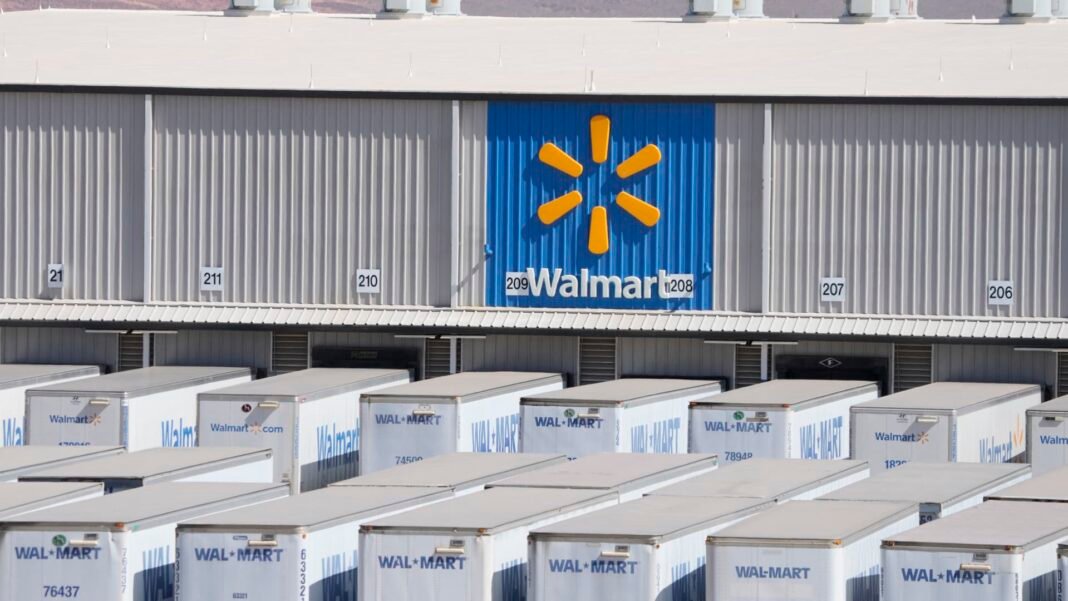
As the leading retail giant in the United States with over 4,700 stores nationwide as of 2024, Walmart has aggressively expanded its online marketplace to boost revenue streams beyond conventional brick-and-mortar sales. This digital transformation is a strategic effort to compete more effectively against Amazon’s overwhelming presence in e-commerce.
However, this rapid growth has introduced important vulnerabilities.By streamlining onboarding for third-party sellers, Walmart.com has unintentionally created openings for fraudulent vendors and counterfeit merchandise that threaten customer safety and brand integrity.
The Surge of Fraudulent Sellers and Fake Products on Walmart.com
An investigation uncovered that dozens of third-party accounts on walmart’s platform were registered using stolen or impersonated business credentials. These fake profiles ranged from large publicly traded companies to smaller local businesses such as regional food markets and independent eateries.
For instance, some sellers falsely claimed affiliation with well-known firms like Medtronic or Baxter International. Others copied smaller enterprises based in cities like Atlanta and Dallas. In one notable case, a texas-based grocery chain received complaints from customers who had unknowingly purchased counterfeit goods sold under their name.
Laboratory testing on several highly rated skincare products sold by these imposters confirmed all were fraudulent according to chemical analysis and brand authentication-highlighting serious flaws in seller verification procedures.
The Impact of Pandemic-Driven Seller Onboarding Relaxation
The COVID-19 pandemic triggered an unprecedented surge in online shopping demand, prompting Walmart to ease its vendor approval criteria considerably.Former insiders revealed that initial rigorous screening protocols were gradually abandoned due to pressure from management focused on rapidly increasing marketplace listings-even when suspicions about applicants’ authenticity arose.
“Eventually we were instructed to approve nearly every request because expanding the marketplace was prioritized above all else,” recalled a former member of the seller review team.
Comparing Seller Verification: Amazon vs. Walmart
- Amazon: Requires extensive documentation including video interviews with prospective sellers plus proof of bulk product sourcing through multiple invoices (frequently enough 10-100 units).
- Walmart: Does not require video interviews; recent policy changes have reduced paperwork demands so only government-issued ID such as driver’s license or passport is mandatory while IRS tax forms became optional starting early 2024.
This lighter documentation threshold makes it easier for malicious actors to list stolen or counterfeit items since evidence proving legitimate supply chains can be minimal-sometimes just a single-unit invoice instead of multiple units as amazon mandates.
Tightening Controls After Exposure of Counterfeit Listings
A few weeks following public exposure regarding fake beauty and personal care products flooding the site, Walmart implemented stricter verification measures targeting these high-risk categories specifically. Vendors selling such items must now submit detailed invoices confirming direct purchases from manufacturers or authorized brand owners before approval is granted.
This policy adjustment resulted in many suspicious listings being swiftly removed-a clear indication that enhanced scrutiny can reduce counterfeit sales but also underscores previous systemic weaknesses within their vetting framework.
The Legal Landscape Surrounding Online Counterfeits
The ongoing prevalence of fake goods across marketplaces partly stems from regulatory loopholes: even though selling counterfeits is illegal, platforms typically avoid liability if they promptly remove infringing listings after notification by rights holders. This “safe harbor” provision limits accountability despite continued consumer harm caused by hazardous fakes such as defective electronics or toxic cosmetics marketed under trusted brands.
- The Shop Safe Act, a bipartisan bill designed to encourage marketplaces toward stronger anti-counterfeiting safeguards via enhanced seller verification requirements remains stalled despite widespread support among brands seeking protection against fakes online.
- lobbies representing major platforms including Amazon, Etsy, eBay-and reportedly Walmart-have opposed certain provisions delaying its passage multiple times.
- If passed during this congressional session,
- would represent a landmark step toward holding marketplaces accountable while fostering safer shopping environments.
Court rulings increasingly suggest platforms may bear legal responsibility when harmful counterfeit products are sold through their sites-even if offered by third parties-which could drive future reforms nonetheless of federal legislative progress.
A Consumer Safety Incident Illustrating Real Consequences
A recent case involved consumers purchasing bogus sunscreen labeled under reputable brands via an online marketplace structurally similar to Walmart’s platform. The substandard product caused allergic reactions due to unapproved ingredients-a stark example demonstrating how insufficient oversight directly jeopardizes public health beyond mere financial loss alone.
Conclusion: Striking a Balance Between Growth and Shopper protection at Walmart.com Marketplace
- Dramatic expansion prioritized over thorough seller screening during peak pandemic periods;
- This approach enabled fraudsters exploiting stolen identities to sell hazardous counterfeits;
- Lax documentation standards contrasted sharply with competitors like amazon;
- Tightened policies recently introduced aim at mitigating risks especially within vulnerable categories;
- an evolving legal environment pressures marketplaces toward greater accountability going forward;
- Sustained vigilance remains critical for safeguarding consumers without hindering innovation-driven e-commerce growth strategies.;