



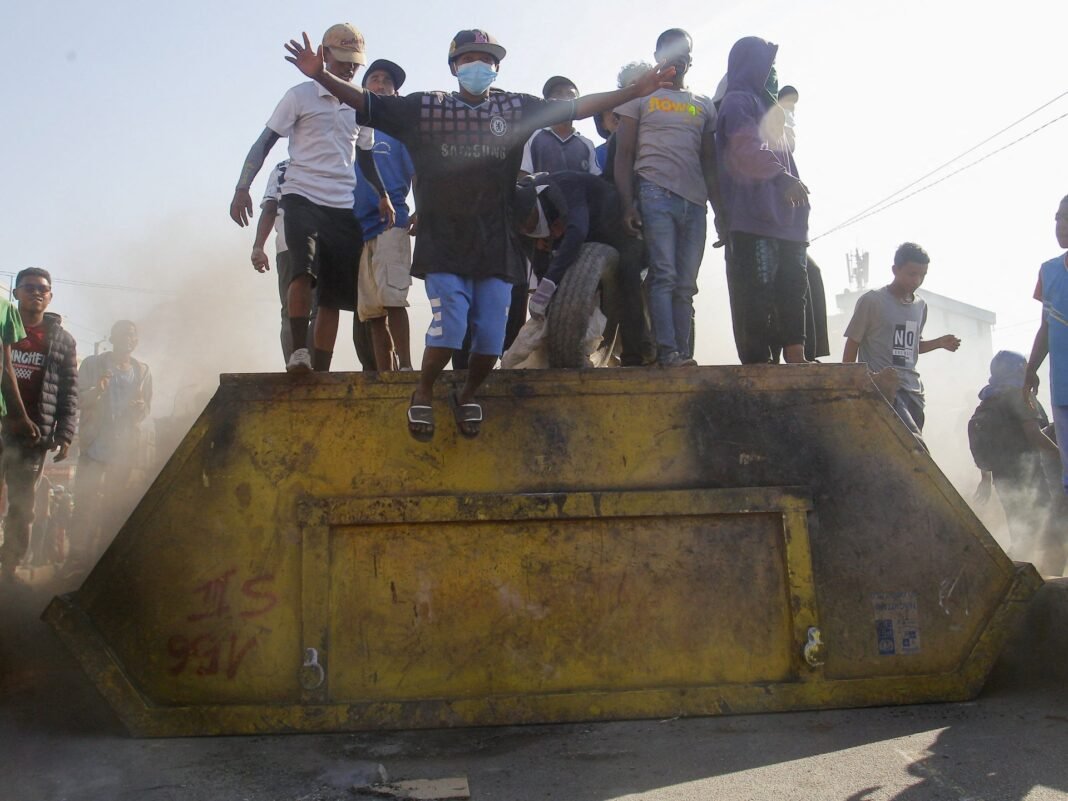
Widespread Demonstrations Erupt Across Madagascar Amid Growing Public Frustration
In teh bustling streets of Antananarivo, Madagascar’s capital, thousands gathered to demand the resignation of President Andry Rajoelina. The protests escalated as law enforcement responded with tear gas, rubber bullets, and stun grenades in an effort to disperse the crowds.
mounting Discontent sparks Intense Protests
The current wave of demonstrations represents one of the most significant episodes of civil unrest Madagascar has experienced in recent memory. Initially organized by “gen Z Madagascar,” a youth-led civic group promoting peaceful activism, what started as calls for improved public services quickly broadened into widespread accusations against government corruption and nepotism.
Despite President Rajoelina’s attempts to ease tensions-such as appointing military general Ruphin Fortunat zafisambo as prime minister after dissolving his cabinet-the protesters have rejected negotiations and instead called for a nationwide strike. The president has dismissed demands for his departure as efforts aimed at destabilizing national order.
Deep-Rooted Infrastructure Failures Amplify Public Anger
The underlying causes fueling these protests stem from long-standing issues within Madagascar’s infrastructure and governance systems. Recent data from international economic organizations reveal that only about 35% of the country’s 32 million inhabitants have consistent access to electricity.Daily power outages exceeding eight hours are commonplace due to chronic mismanagement at Jirama, the state-owned utility company plagued by allegations of corruption.
Poverty remains entrenched: nearly three-quarters of Malagasy citizens lived below the poverty threshold in 2023 according to global development reports. Despite being rich in natural resources like vanilla beans and gemstones, per capita GDP has plummeted over decades-from $812 in 1960 down to an estimated $450 projected for 2025-highlighting persistent economic stagnation that continues to erode living standards.
“This crisis is not just about one individual but reflects systemic failures that have persisted as independence,” expressed Heritiana Rafanomezantsoa,a protester from Antananarivo.
A Legacy Marked by Political Turmoil
The political landscape in Madagascar has been historically unstable; President Rajoelina himself came into power through a military coup in 2009 before stepping aside temporarily in 2014 and later winning democratic elections four years afterward. Yet many citizens feel their daily realities remain unchanged despite more than sixty years since gaining independence from France.
The Human Toll Behind Ongoing Clashes
Tensions reached critical levels when security forces deployed tear gas near sensitive areas including maternity wards-forcing medical personnel to relocate premature babies-and confronted demonstrators who responded with stone-throwing. Reports confirm that during one recent rally alone at least four people were injured by rubber bullets while two others sustained wounds caused by stun grenade shrapnel.
International observers estimate that since protests began on September 25th,over twenty individuals have died either directly or indirectly due to violence linked with these events; however official death tolls remain disputed between authorities and independent sources.
Legal Actions Intensify Amid Rising Unrest
- A total of twenty-eight activists involved in organizing or participating in demonstrations now face formal charges filed by prosecutors;
- This legal crackdown signals increasing governmental efforts aimed at suppressing dissent amid escalating pressure;
- Civil rights organizations warn such measures risk exacerbating tensions rather than addressing root causes behind public grievances;


