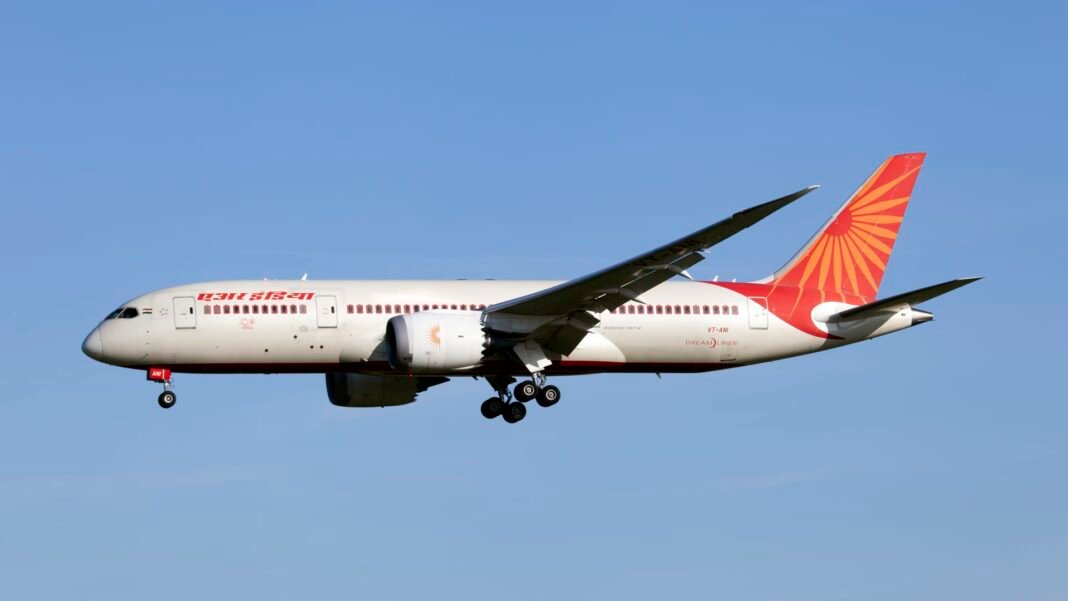
Air India’s Renewed Focus on Safety and Innovation Following a Devastating Crash
Intensifying Safety Measures After a Major Aviation Tragedy
In the aftermath of the catastrophic crash involving an Air India Boeing 787-8 Dreamliner, which tragically claimed 241 lives onboard along with additional fatalities on the ground, the airline has significantly ramped up its commitment to safety. This disaster stands as one of the most severe in over a decade, deeply affecting families, employees, and stakeholders connected to Air India.
Initial findings from investigators pointed to confusion among cockpit crew members regarding fuel cutoff controls shortly after departing Ahmedabad. Voice recordings revealed pilots questioning each other about who had disengaged critical fuel supply switches-an issue now central to ongoing inquiries.
A Transformative Shift Toward Enhanced Operational Vigilance
Air India’s CEO Campbell Wilson has clarified that current evidence does not suggest any mechanical or engine failure contributed to the accident. Despite this, the airline is undertaking an exhaustive review of all safety protocols across its operations. Wilson describes this approach as establishing a “new normal,” where rigorous procedures are embedded and safety becomes paramount at every level.
This cultural change goes beyond mere regulatory adherence; it embodies a profound dedication to supporting those impacted by the tragedy while preventing future incidents. Over recent months, Air India has also intensified efforts around employee well-being alongside operational reforms aimed at restoring confidence both internally and externally.
Strategic Modernization Amidst Industry Challenges
The crash occurred during a critical period in Air India’s evolution following its privatization by tata Group three years ago-a move that unlocked vital capital for modernization initiatives designed to position it competitively within India’s booming aviation market. According to industry forecasts, including projections from IATA, India’s air travel sector is expected to expand at nearly 7% annually through 2030.
Wilson emphasized that privatization enabled adoption of private-sector efficiencies such as long-term strategic planning and fleet renewal programs. Currently underway are upgrades featuring advanced cabin technologies aimed at enhancing passenger comfort across both domestic flights and international routes.
An Expanding Fleet Aligned With Future Goals
- The airline has committed orders for over 570 aircraft models tailored for diverse market needs ranging from short-haul domestic services to long-haul international journeys.
- This fleet growth supports ambitions not only within India but also strengthens global connectivity amid rising demand fueled by post-pandemic recovery trends worldwide.
- Sustainability remains integral with newer planes boasting improved fuel efficiency standards consistent with ICAO’s Carbon Offsetting Scheme (CORSIA), reflecting global environmental commitments.
Leadership Perspective: Steering Through Crisis Toward Renewal
“In response to this heartbreaking event, our resolve must be unwavering-not only in providing immediate support but also embedding every lesson learned into our daily operations,” stated Wilson during an aviation summit held recently in Long Beach, California. “Protecting lives remains our foremost priority while we continue striving toward delivering world-class service.”
Navigating Growth While Upholding Duty
As Air India advances under new leadership principles emphasizing accountability alongside innovation, it confronts both challenges and opportunities inherent in revitalizing a historic carrier amid rapidly evolving global market conditions shaped by technological progressions and changing traveler expectations worldwide.