unseen Realities of the Enduring Conflict in palestine
Neglected Human Suffering Amid Global Distractions
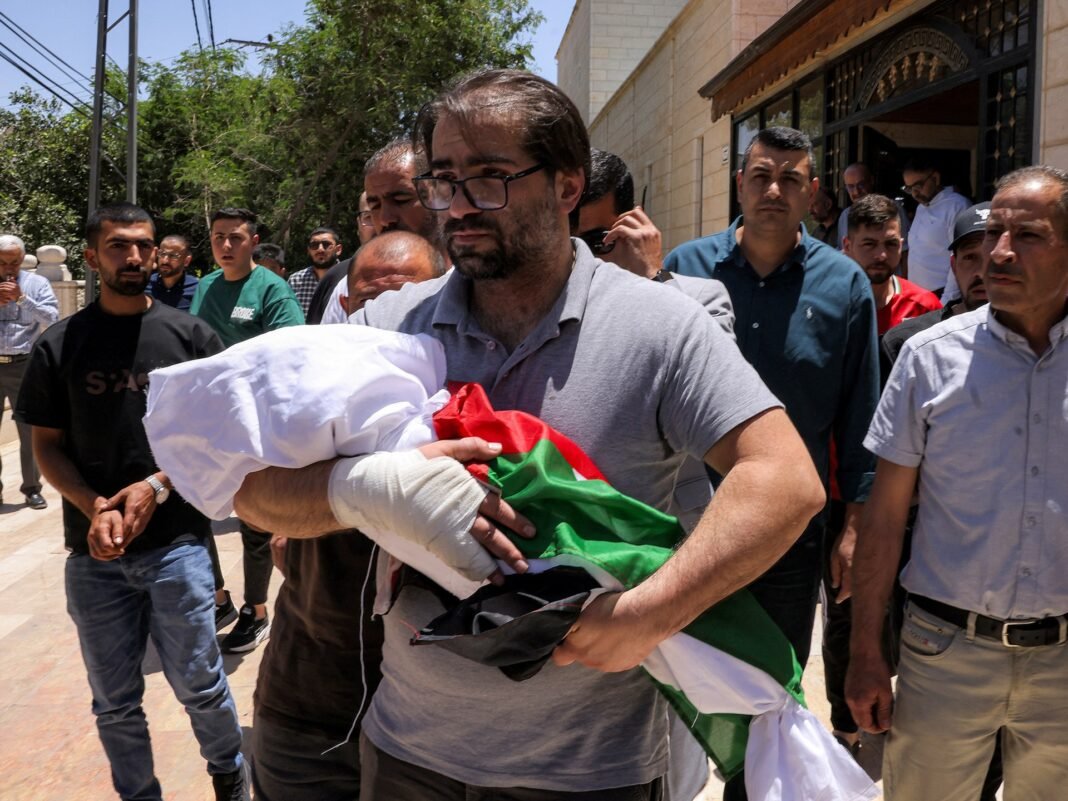
While international affairs often capture headlines, the tragic story of Sam Fahd Abu Haikal-a seven-month-old Palestinian baby fatally shot near Hebron in the occupied west Bank-remains largely unknown to manny in Western nations. This heartrending event is just one among countless violent incidents that seldom receive prolonged attention beyond local borders.
Meanwhile, ongoing Israeli military operations across occupied territories frequently escape thorough reporting. Communities like Sinjil are confined behind barbed wire barriers, preventing residents from tending their own farmland. At the same time, Israeli settlers persist with arson attacks on homes and vehicles and subject Palestinians to harassment and torture-all under the protection or tacit approval of Israel’s security forces.
The Steady Expansion of Occupation and Its Devastating Impact
Recent months have seen Israeli forces effectively annex over 60 percent of Gaza’s territory. The humanitarian crisis worsens as Palestinians face critical shortages of food, clean water, medical supplies, and other essentials. Yet these dire conditions are often overshadowed by media narratives focusing primarily on Israel’s security concerns or broader regional tensions.
This skewed coverage fosters a widespread misunderstanding among audiences across North America and Europe that palestine is no longer a pressing issue.As global attention shifts toward conflicts involving Iran or Lebanon’s Hezbollah group, reporting on Gaza has sharply declined despite persistent violence.
A Fragile Ceasefire Concealing Ongoing Hostilities
An official ceasefire declared last October after intense clashes in Gaza has failed to halt aggression entirely. In just the first quarter following this agreement, over 2,000 violations by Israeli forces were documented against Gaza residents; nearly 1,000 palestinians lost their lives during this period-including many children killed for crossing arbitrary “yellow lines” imposed by occupying troops.
The destruction continues unabated: airstrikes reduce buildings to rubble; drones patrol overhead; snipers remain positioned strategically; bulldozers demolish homes-all while international observers label these actions as part of a “ceasefire.” aid deliveries are deliberately restricted-not out of necessity but as calculated tactics designed to prolong suffering without allowing recovery or normalcy.
Territorial Control Enforced Through Starvation and Violence
By March this year, maps released by israeli authorities showed territorial control expanding from 53 percent up to nearly 64 percent within Gaza alone. Prime Minister Benjamin Netanyahu openly declared intentions at settler rallies to seize up to 70 percent initially with ambitions for full domination eventually.
This creeping annexation denies Palestinians access to roughly two-thirds of their land-including crucial agricultural zones eastward-weaponizing geography itself against them. Farmers risk lethal force when attempting cultivation; fishermen face deadly threats trying to reach coastal waters; displaced families encounter gunfire upon returning home; children searching for food become targets simply crossing invisible boundaries drawn through neighborhoods they once called safe havens.
The Strategic Use Of Geography And Hunger As Weapons
“This is genocide administered through geography.”
Narratives centered around Iran further obscure these harsh realities: whenever border crossings close citing vague security threats linked with regional instability or Iranian influence-and aid convoys slow-the blame shifts away from occupation policies onto external actors labeled terrorists posthumously after being killed without evidence beyond their deaths themselves.
This retroactive justification transforms innocent victims into alleged militants-a chilling distortion providing moral cover for killing civilians including infants like Sam Abu Haikal.
A Wider Regional Pattern: Forced Displacement In Lebanon
This approach extends beyond palestine into southern Lebanon where military operations targeting Hezbollah-allegedly connected with Iran-involve mass evacuations uprooting over one million people south of the Litani River.
Entire villages have been forcibly emptied while hospitals endure strikes and white phosphorus munitions scorch land indiscriminately.
Civilians attempting return journeys face accusations ranging from being human shields if they stay behind-to claims supporting “security zones” if they flee entirely-while those resisting evacuation orders become immediate targets under military law enforcement tactics identical across both conflict zones tied indirectly yet persistently through narratives about Iran destabilizing efforts against Israel’s interests.
An Illusion Of Separate Conflicts Masks A Unified Campaign
- Diverse battlefronts portrayed as isolated struggles conceal an overarching strategy aimed at indefinite control over Palestinian lands;
- The identities of victims dissolve into faceless statistics amid broader regional power contests;
- The systematic displacement becomes normalized language describing “security zones” rather than ethnic cleansing;
- This fragmentation serves political agendas prioritizing territorial dominance above human rights protections;
No Lasting Peace Without Confronting The Core Issue Of palestine
Recent diplomatic breakthroughs between Iran and other global powers have sparked hopeful headlines suggesting an end to war-but such optimism overlooks ongoing realities within Palestine where occupation remains relentless:
- Lands continue being seized daily;
- Civilians suffer starvation enforced via blockade policies;
- Sporadic violence escalates unchecked amid checkpoints physically dividing communities;
Treating Palestine merely as collateral damage within wider Middle Eastern conflicts ignores its central role where cycles perpetuate endlessly: ceasefires act less like peace accords than mechanisms reinforcing control regimes; hunger becomes intentional policy rather than accidental consequence ; innocent lives fade unnoticed beneath shifting geopolitical spotlights focused elsewhere.
A Symbolic loss reflecting A Larger Tragedy
“Sam Abu Haikal was laid down wrapped tightly inside his nation’s flag – cradled tenderly yet powerless – embodying all hopes extinguished prematurely.”
This infant represents more than personal loss-it symbolizes every overlooked casualty whose story remains buried beneath competing headlines about missile exchanges far removed geographically yet intertwined politically.
The collective forgetting itself emerges almost like another weapon wielded strategically alongside guns: erasing memory ensures continued impunity.
Palestine remains not just a place but an enduring struggle demanding renewed global awareness beyond fleeting news cycles dominated by other crises masked under similar rhetoric about defence versus terrorism.