Revitalized US-Iran Dialogue with Pakistan as a Central Facilitator
Pakistan emerges as a vital intermediary, fostering renewed hopes for constructive US-Iran negotiations in Islamabad.
PakistanS strategic Mediation and Regional Diplomacy
The momentum to revive diplomatic talks between the United States and Iran is gaining traction, with Pakistan assuming a key role in bridging communication.Pakistani military and political leaders are actively engaging counterparts in Tehran and neighboring Gulf states to lay groundwork for dialogue.
Currently, Field Marshal Asim Munir, Pakistan’s army chief, is on an official visit to Tehran carrying messages from Washington. Concurrently, Prime Minister Shehbaz Sharif is conducting a regional tour that includes Saudi Arabia, Qatar, and Turkey-countries pivotal to shaping the geopolitical environment influencing these discussions.
Status Update on US-Iran diplomatic Exchanges
Iranian Foreign Ministry spokesperson Esmael Baghaei confirmed ongoing contact between Tehran and Washington following their recent meeting in Islamabad. the White House has expressed guarded optimism about scheduling another round of talks soon within Pakistan’s capital city.
This diplomatic progress unfolds amid heightened tensions: Iran has warned it may expand its responses beyond its territorial waters if the United States continues enforcing naval blockades near Iranian ports.
Maritime Tensions Along Critical Shipping Lanes
- Tensions at the Strait of Hormuz: Iranian advisor Mohsen Rezaei cautioned that persistent U.S.naval restrictions could trigger attacks on American vessels navigating this strategic chokepoint. The blockade targets ships linked to Iranian ports; several have been denied passage during recent confrontations.
- nuclear Negotiations Face Obstacles: Analyst Abas Aslani highlights that while Iran remains open to enhanced nuclear transparency contingent upon serious U.S. engagement, new sanctions combined with port blockades have deepened mistrust between both sides. He stresses Iran’s readiness for any scenario-whether breakthrough or escalation.
- Cautionary Diplomatic Signals: Iranian Foreign Minister Abbas Araghchi voiced concerns over provocative U.S. military actions during discussions with Chinese Foreign Minister Wang yi-underscoring Beijing’s influential role advocating de-escalation efforts in the region.
The Influence of Global Stakeholders on Peace Initiatives
- A New Round of Peace Talks expected: The White House confirmed active planning for another session aimed at resolving hostilities through diplomacy rather than confrontation.
- China Champions Ceasefire Efforts: China’s Foreign Minister wang Yi reiterated Beijing’s commitment to supporting ceasefire maintenance alongside ongoing peace negotiations-a reflection of China’s expanding footprint in Middle Eastern diplomacy.
- Bilateral Engagements Shape Regional Security: In Jeddah, Saudi Crown Prince Mohammed bin Salman met Pakistan’s Prime Minister Shehbaz Sharif to discuss regional stability including mediation strategies between Washington and Tehran.Simultaneously, Qatari Emir Sheikh Tamim bin Hamad Al Thani held talks focused on energy market steadiness amid global uncertainties fueled by conflict disruptions.

The United States’ Stance Amid Domestic Political Divisions
- A historic milestone was marked by President Donald Trump announcing direct talks between Israeli and Lebanese leaders-the frist such formal communication after over 30 years without official dialogue at this level between these nations’ heads of state.
- Tightened Oil Sanctions Implemented: Targeted sanctions against more than twenty-five individuals and entities connected to Mohammad Hossein Shamkhani’s oil transport network aim at curbing funds fueling Iran’s military operations.
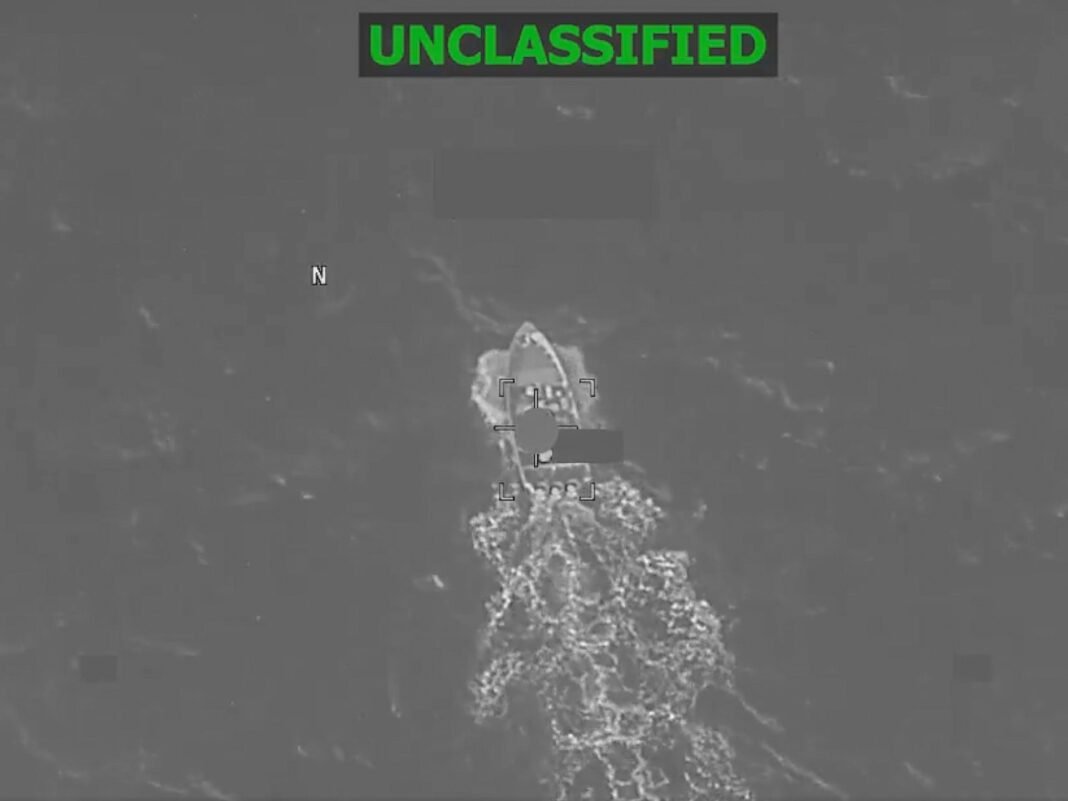
- Navy Enforcement Successes Reported: CENTCOM disclosed intercepting or redirecting ten vessels within 48 hours under newly imposed maritime restrictions; none successfully departed from Iranian ports during this timeframe indicating effective containment by U.S.-led coalition forces patrolling nearby waters.
- Looming Congressional Disputes Persist: Despite growing opposition among some lawmakers wary of escalating foreign entanglements, Senate votes rejected proposals limiting war powers or restricting arms sales related specifically to Israel-highlighting enduring divisions within U.S political circles regarding policy toward Iran.
An Israeli Outlook: Security Priorities Amid Regional Conflict Pressure
- Israeli Prime Minister Benjamin Netanyahu stressed full alignment between Israel’s goals and those of the United States concerning strategies aimed at containing Iran’s influence across the Middle East region.
< li >Despite international appeals for ceasefires , Netanyahu reaffirmed continuation of military campaigns designed to weaken adversaries.
< li >< strong >Hezbollah Dismantlement Remains Central:< / strong > Netanyahu identified Lebanon-based Hezbollah militia as Israel’s foremost security threat , prioritizing its disarmament through sustained pressure backed by diplomatic strength.
< li >“Our two main objectives,” he stated , “are dismantling Hezbollah followed by securing lasting peace founded firmly upon strength.”
The Ongoing Humanitarian Impact Within Lebanon
-
< li >< strong >Continuous Airstrikes Persist :< / strong > Southern Lebanese areas including Kafr Sir and Nabatieh endure relentless bombardment alongside targeted “triple-tap” strikes resulting in casualties among emergency responders.
< li >< em >Allegations of War Crimes Raised :< / em > lebanese official Fadi Makki condemned attacks killing paramedics labeling them violations against international humanitarian law.
< li >< strong >Rising Human Toll :< / strong > Over 7 ,000 injured with fatalities exceeding 2000 while displacement surpasses one million residents as early March – devastation echoing patterns previously witnessed across Gaza.
< Li >< em >&ldquo ; Entire Communities Obliterated &rdquo ; : Journalist Malcolm Webb highlights destruction along border zones where homes no longer stand even if hostilities momentarily subside . Israeli forces continue struggling controlling ambitions extending up Litani river .< / em >< br >
< Li >< Strong > UN Experts Demand Immediate Halt </ Strong > UN human rights authorities including Balakrishnan Rajagopal urge urgent cessation citing repeated use similar tactics employed elsewhere raising grave civilian protection concerns .</ Li>
<Li><Strong>Escalating Diplomatic Strains:</Strong> Hezbollah denounced recent U.S.-facilitated Israel-Lebanon dialogues calling them disgraceful while failed Senate votes restricting bulldozer sales underscore growing unease over civilian casualties.</Li>
</ul>
IDF armored vehicle operating close to Lebanon border [Florion Goga] Evolving global Economic Impacts Linked To conflict Dynamics
-
< Li >< Strong > Food Insecurity Intensifies :& lt ; / Strong & gt World Bank economists warn millions more could face hunger due partly conflicts disrupting supply chains worldwide - already approximately 300 million endure acute food shortages globally.& lt ; / Li & gt
< ; Li & gt
wall Street indices hit record highs fueled by investor optimism around potential resolution following renewed negotiation prospects.& lt ; / Li &
lt ;
Lt ;
Lt ;