Diplomatic Tensions Surge Between Ecuador and Colombia Over Contentious Corruption Case
Ecuador has escalated diplomatic friction by recalling its ambassador from Colombia following inflammatory remarks tied to a prominent corruption scandal, deepening strains within Latin america’s political landscape.
Jorge Glas: The Controversial Figure at the center
Jorge Glas, Ecuador’s former Vice President and a left-wing politician, remains imprisoned after multiple convictions related to corruption. His involvement in the Odebrecht bribery network-a vast scheme implicating officials across Latin America-has made him a focal point of regional controversy.
Initially sentenced in 2017 to six years for accepting bribes amounting to $13.5 million, Glas faced an additional eight-year sentence in 2020. After authorities raided Mexico’s embassy in Quito-where he had sought asylum since late 2023-he was handed another 13-year term for embezzlement of public funds. These combined sentences have permanently disqualified him from holding any public office.
The Embassy Raid: Catalyst for Diplomatic Fallout
The forcible entry into Mexico’s embassy by Ecuadorian police two years ago ignited international condemnation and led Mexico to sever diplomatic relations with Ecuador-a rupture that remains unresolved today.
This operation was widely criticized as violating international law protections enshrined in treaties such as the Vienna Convention on Diplomatic Relations (1961), which strictly prohibit unauthorized law enforcement actions within embassies. many experts viewed this as a serious breach of diplomatic immunity and national sovereignty.
Sovereignty Debates Fuel Government Responses
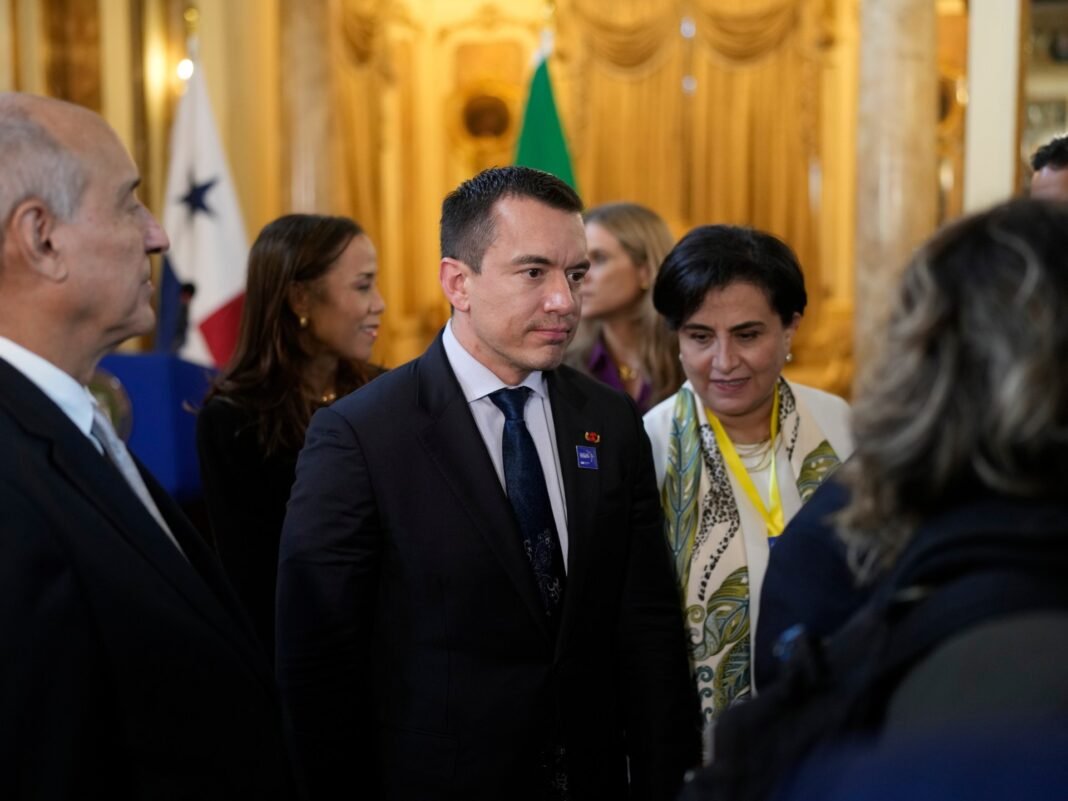
Ecuador’s current administration under President Daniel Noboa authorized the controversial raid and has consistently dismissed external critiques as infringements on its sovereignty. Noboa strongly rejected claims portraying Glas as a “political prisoner,” specifically condemning Colombian President Gustavo Petro’s comments as unwarranted interference.
“our nation has long awaited justice against corrupt figures,” Noboa asserted firmly, emphasizing that such foreign criticisms undermine Ecuador’s independence and violate principles of non-intervention.
Escalating Disputes Amid Political Accusations and Health Concerns
The withdrawal of Ambassador Arturo Felix wong from Bogotá highlights growing tensions between Ecuador and Colombia amid disputes over Jorge Glas’s prison conditions. Foreign Minister gabriela Sommerfeld described Colombian accusations during recent interviews as baseless provocations designed to inflame bilateral relations.
President Petro intensified controversy by publicly declaring that Jorge Glas is effectively a political prisoner suffering severe health decline due to inadequate medical care at El Encuentro maximum-security facility. He called upon international human rights bodies for urgent intervention, citing symptoms including extreme malnutrition and muscle wasting-conditions Petro characterized possibly amounting to “crimes against humanity.”
The Complexity Added by Colombian citizenship Grant
A further complication arose when Colombia granted citizenship to Jorge Glas last September. Since then, Petro has repeatedly requested via social media that Quito transfer custody of Glas to Colombia-a demand firmly rejected by Ecuadorian authorities who view it as interference with their judicial sovereignty.
Bilateral Strains Extend Beyond Legal Disputes
- Ecuador Implements High Tariffs: Starting March 2026, President Noboa imposed tariffs reaching up to 50% on imports from Colombia amid accusations that Bogotá is not doing enough against drug trafficking activities within its borders.
- Bombing Allegations Near Border Regions: In response,Petro accused Ecuadorian security forces of conducting bombing raids near their shared border area resulting in at least 27 charred casualties recovered-an allegation intensifying hostility between both nations’ governments.
- An Intensified Anti-Drug Campaign: Under Noboa’s leadership-and supported by U.S. policies during Donald Trump’s second term begining January 2025-Ecuador launched an aggressive military-backed crackdown on narcotics trafficking; these hardline measures contrast sharply with Petro’s more progressive approach toward security cooperation, exacerbating regional divisions over counter-narcotics strategies.
A Wider Lens: Political Polarization Amid Corruption Battles Across Latin America
this ongoing conflict reflects broader ideological divides shaping contemporary Latin American politics: conservative administrations prioritize stringent anti-corruption enforcement while progressive leaders emphasize safeguarding human rights throughout judicial proceedings.
“Neglecting political prisoners like Jorge Glas not only constitutes injustice but also threatens stability across the region,” a regional expert recently observed during discussions about evolving diplomatic dynamics among neighboring countries confronting intertwined security challenges amid shifting geopolitical alliances.