Decoding Tesla’s Full Self-Driving Software and its Legal Implications
Controversy Erupts Over Texting Permissions in Latest FSD Update
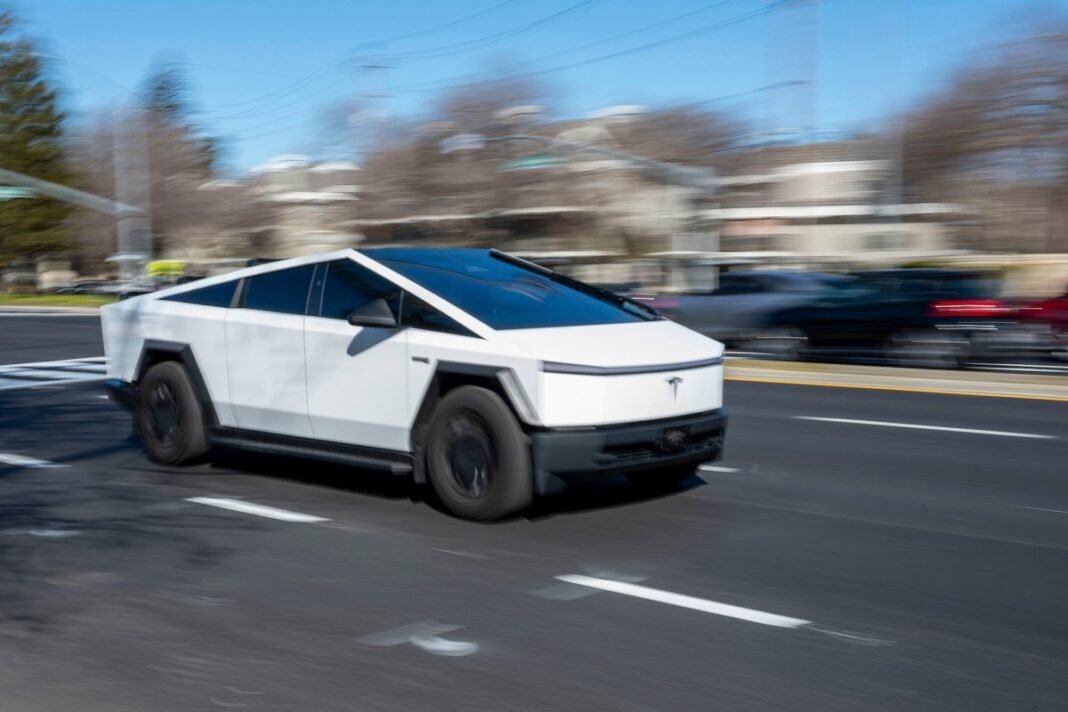
Tesla’s CEO, Elon Musk, recently announced through social media that the newest version of the company’s Full Self-Driving (FSD) software allows drivers to send text messages while driving under specific traffic conditions. This revelation has sparked significant debate, especially since texting while driving remains prohibited in nearly every state across the United States.
When questioned about the removal of phone usage warnings during FSD operation, Musk explained that this feature depends on “the context of surrounding traffic,” though he did not elaborate on how this contextual allowance is determined or enforced in real-world scenarios.
The Complex Legal Framework Surrounding Distracted Driving
Almost all 50 U.S. states have enacted laws banning texting behind the wheel, with roughly half imposing thorough restrictions on handheld phone use when operating a vehicle. Thes regulations are designed to combat distracted driving-a factor responsible for thousands of crashes annually nationwide.
The Imperative Role of Drivers Despite Advanced Automation
Although Tesla markets its FSD system as a cutting-edge driver-assistance technology, it is crucial to understand that it does not equate to full autonomy. tesla explicitly instructs users to keep their hands firmly on the steering wheel and remain attentive at all times when using FSD features.Ultimately, human drivers bear full responsibility for safe vehicle control.
How Tesla Ensures Driver Alertness During FSD Operation
tesla integrates cabin-facing cameras along with sensors embedded within the steering wheel to continuously monitor driver engagement levels. As current autonomous systems cannot manage every possible road scenario independently, drivers must be ready to take immediate control if unexpected events occur-especially during critical handover moments where many accidents have been reported.
Musk’s Candid Remarks About Autopilot overreliance
Elon Musk has acknowledged that reliance on Tesla’s Autopilot can sometiems foster complacency among users regarding their active role in vehicle operation. Investigations by regulatory bodies have linked over a dozen fatal crashes where Autopilot was engaged at impact time, underscoring risks tied to overconfidence in semi-autonomous systems.
Heightened Federal Examination Amid Safety Concerns
The National Highway Traffic Safety Management (NHTSA) is conducting an extensive inquiry into Tesla’s Full Self-Driving software following reports exceeding 50 incidents involving vehicles running red lights or drifting into incorrect lanes autonomously.Additional investigations focus on collisions occurring under low visibility conditions potentially caused by software limitations.
Tensions Rise Between Tesla and California DMV Over Marketing Claims
A prolonged legal battle between Tesla and California’s Department of Motor Vehicles centers around accusations that Tesla exaggerated its vehicles’ autonomous capabilities through promotional materials related both to FSD and its predecessor system known as Autopilot. The DMV has petitioned courts for a temporary suspension-upwards of 30 days-of Tesla’s manufacturing and sales activities within California pending case resolution expected later this year.
The Current Landscape: Autonomous Vehicle Technology Trends and Challenges
- Expanding Market Projections: Industry analysts forecast global autonomous vehicle revenues will surpass $60 billion by 2030 as manufacturers accelerate development toward fully self-driving cars equipped with complex AI capable of navigating complex urban settings without human intervention.
- User Distraction Patterns: Research indicates more than 40% of drivers utilizing semi-autonomous features exhibit increased distraction compared with manual driving situations-highlighting persistent safety concerns despite technological progressions.
- A Recent Case Study: In late 2023, an autonomous shuttle service operating in Helsinki temporarily suspended operations after several near-collision events attributed largely to passenger inattentiveness demonstrated how human factors continue playing a decisive role even amid advancing automation technologies.
“Despite promising advancements toward safer roads,” experts emphasize “maintaining driver alertness remains essential until genuinely reliable full autonomy becomes widespread.”
Pursuing Responsible Innovation Amid Regulatory Scrutiny
Tesla persists in enhancing its suite of driver-assistance tools amidst ongoing regulatory challenges and public discourse balancing safety standards against rapid innovation cycles. As millions worldwide adopt varying degrees of partial automation daily, striking an equilibrium between user convenience and cautious oversight will critically influence future policy decisions alongside consumer confidence levels moving forward.