



EU Delays Mercosur Trade Pact Amidst Strong Agricultural Sector Resistance
The European Union has opted to postpone the ratification of a major free-trade agreement with the South American Mercosur bloc, pushing the decision to January. This delay comes in response to vigorous opposition from farmers across Europe and dissent among influential member states including France and Italy.
Massive Farmer Protests Highlight Agricultural Sector Fears
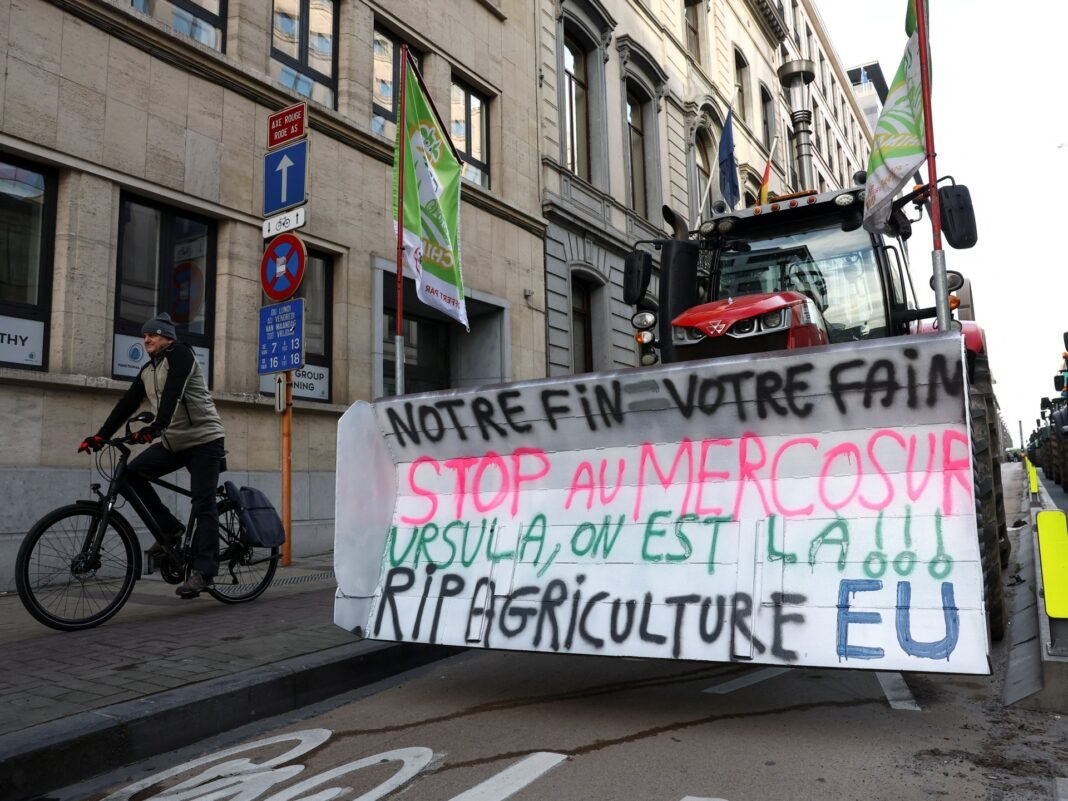
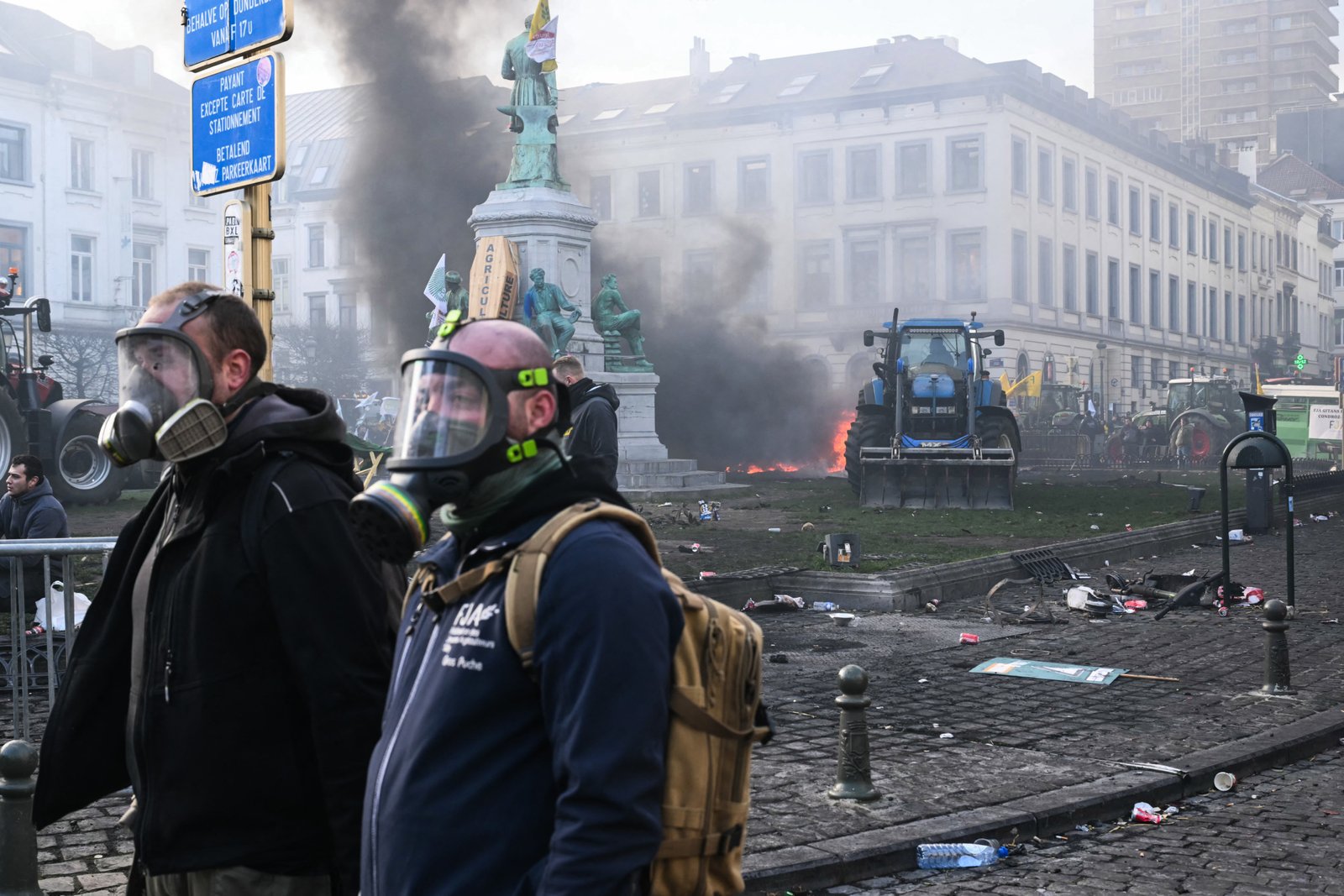
In Brussels, tens of thousands of farmers gathered in protest against the trade deal, fearing an influx of low-cost agricultural goods from countries such as Brazil and Argentina could jeopardize their livelihoods. Participants traveled from various EU nations like Hungary and Romania, obstructing streets with tractors, hurling vegetables like carrots and cabbages, and setting symbolic fires. The demonstrations escalated into confrontations with police forces deploying tear gas and water cannons. The disturbances caused important damage leading to partial evacuations within European Parliament buildings.
Political Factors Influencing the Agreement’s postponement
The planned signing event for late December was deferred after French President Emmanuel Macron expressed serious concerns about potential harm to domestic farming industries. Macron highlighted ongoing dialogues with leaders from Italy, Poland, Belgium, Austria, and Ireland aimed at further refining terms before final endorsement.
A consensus emerged between Commission President Ursula von der Leyen, European Council President antonio Costa, and Italian Prime Minister Giorgia Meloni that Italy would back ratification in January if granted additional time for internal deliberations. meloni reportedly requested patience from Brazilian President Luiz Inácio Lula da Silva during recent diplomatic discussions.
diverse Perspectives Among EU Countries
- france & Italy: Worry about competition threatening local poultry and beef sectors due to cheaper imports originating from Mercosur nations.
- Germany & Spain: Favorable toward the pact because it could enhance exports of automobiles,machinery parts,wines,and spirits while reducing reliance on China by securing access to vital minerals.
- Northern Europe: Nordic countries advocate stronger trade relations amid global economic uncertainties intensified by US tariffs targeting EU products.
The Agreement’s Scope: A Landmark Transatlantic Deal
This treaty between all 27 EU member states and Mercosur countries-Argentina,Brazil,Bolivia,Paraguay,and Uruguay-represents one of Europe’s most ambitious free-trade agreements after over twenty years of negotiation efforts. It aims at ample tariff cuts that could transform transatlantic commerce by broadening market opportunities for vehicles and industrial goods while lowering consumer prices across both continents.
A Broader Global Trade Habitat Shaping Negotiations
The timing coincides with escalating international trade tensions; recent statistics reveal global merchandise exports increased modestly by just 1.7% last year amid rising protectionism worldwide. Meanwhile India’s export sector surged more than 22%, despite ongoing US-China disputes , demonstrating how strategic alliances can mitigate geopolitical risks-a key reason some EU members remain eager for this deal despite internal opposition elsewhere in Europe.
The Role of Brazil Amidst Negotiation Challenges
Brazil initially threatened withdrawal if delays continued but softened its position following diplomatic engagement led by Italian officials seeking extra time for consultations. Lula da Silva expressed optimism that italy would eventually approve the agreement once outstanding concerns are adequately addressed during talks scheduled before mid-january when signing discussions are expected to resume.
Navigating economic Benefits Versus Domestic Pressures Ahead
“Farmers already endure numerous hardships,” stated a prominent French official reflecting widespread anxiety among rural communities fearful their market share will erode under pressure from cheaper imports.”
This situation underscores a broader challenge faced by policymakers attempting to balance ambitious international trade goals alongside protecting vulnerable domestic sectors-a complex task made more arduous amid rising populist sentiments tied closely to rural economic insecurities throughout Europe today.
Looking Forward: Resolving Conflicting Priorities Within Europe
The postponement highlights deep divisions within Europe’s political arena regarding globalization’s advantages versus localized economic safeguards. As stakeholders prepare for renewed negotiations early next year-amid growing pressure both domestically among farming groups as well as internationally-the ultimate outcome of this pivotal EU-Mercosur trade deal wil depend on reconciling these competing interests without compromising long-term strategic benefits offered through expanded transcontinental cooperation.


