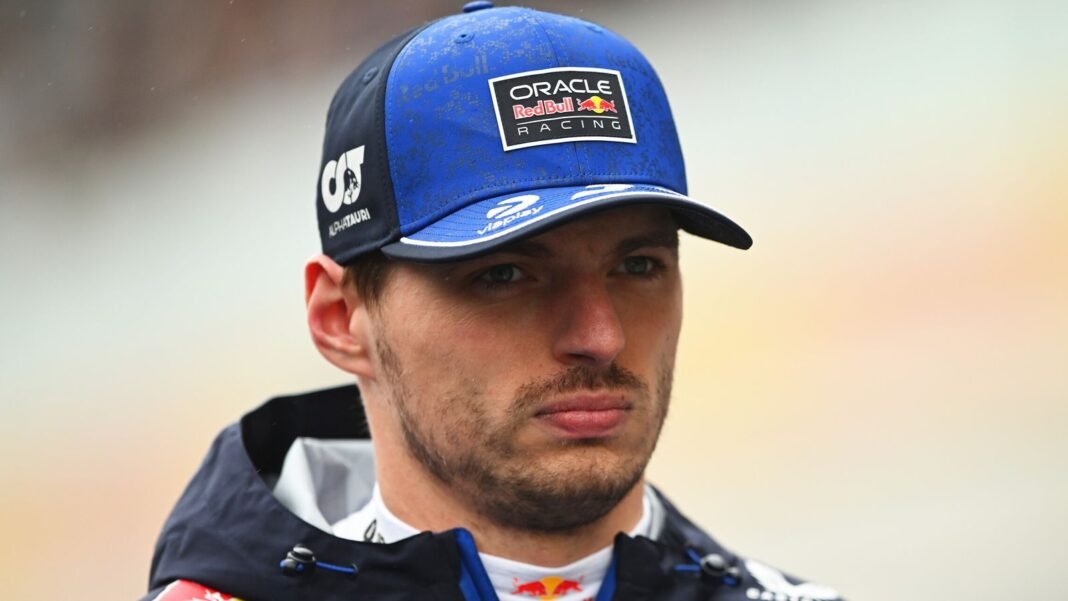
Max Verstappen’s Future in Formula 1: power Unit Controversies and What Lies Ahead
During teh recent Canadian Grand Prix weekend, Max Verstappen once again expressed his frustration with the current power unit regulations in Formula 1.He hinted at a possible departure from the sport at the end of this season if substantial changes are not implemented. But is this merely an emotional reaction, or does it expose deeper technical challenges within F1?
Why Verstappen Is Raising Alarms
Verstappen first voiced concerns about his future in F1 after the third race of this year in Japan. His unease centers on how recent regulatory changes have altered car behavior,forcing drivers into unnatural driving styles that diminish authentic racing battles.
Although some rule adjustments before the miami Grand Prix and tentative agreements on power unit reforms for 2027 initially offered hope, fresh developments have reignited his worries.
The Proposed Power Unit Changes for 2027 Explained
This season has introduced tweaks to energy harvesting and deployment limits designed to promote more aggressive driving while improving safety-especially following Oliver Bearman’s high-speed crash at Suzuka that underscored dangers linked to speed disparities between cars.
While drivers welcomed these modifications as progress, many-including Verstappen-feel they don’t go far enough. At Montreal GP press sessions he described current energy management rules as “a joke”:
“You try pushing harder but then run out of energy; you have to brake more and shift gears differently-slowing down through corners only to accelerate on straights. It doesn’t feel like real racing.”
The transition Away from a Balanced hybrid system
Currently, F1 power units produce roughly equal output from internal combustion engines (ICE) and electric motors-a near 50-50 split intended to maintain road car relevance and attract manufacturers such as Audi back into the sport.
The planned overhaul for 2027 aims to increase ICE contribution to approximately 60%, reducing electric assistance accordingly. This adjustment would allow drivers full-throttle qualifying laps without resorting to lifting or coasting strategies tied to battery harvesting-a change expected to restore more natural racing rhythms.
divergent Opinions Among Engine Manufacturers
A major obstacle remains: four out of six engine manufacturers on F1’s power Unit Advisory Committee must approve these reforms. While Mercedes and Red Bull strongly support them, Audi, Ferrari, and cadillac oppose-the latter preparing its own engine program by decade’s end yet still involved in committee decisions.
Honda has not publicly declared its stance; even their potential backing would require persuading one additional manufacturer for majority approval.
“I’m hopeful we’ll reach consensus,” said Red Bull team principal Laurent Mekies.
“Eventually everyone will prioritize what benefits Formula 1 over individual competitive advantages.”
Tensions Among Leading Teams Over Advancement Approaches
- Ferrari: Currently lagging behind Mercedes and Red Bull by around two percent in power unit performance-the largest gap among frontrunners-they prefer relying on Additional Development & Upgrade Opportunities (ADUO) rather than embracing sweeping regulation changes that could disrupt development timelines.
- Audi: Concerned about rising costs associated with chassis modifications next year if new power unit rules take effect; they favor stability during their initial phase entering F1 engine manufacturing.
- Cadillac & Honda: Their positions remain fluid but crucial given voting thresholds required before June deadlines essential for teams’ preparation schedules ahead of next season.
The Reality Behind Verstappen’s Exit Warnings
This isn’t mere political posturing by Verstappen or Red Bull seeking leverage ahead of negotiations-it reflects genuine dissatisfaction rooted in trends he predicted early last season when warning about “yo-yo style” races caused by restrictive hybrid systems despite dominating with a record-breaking nineteen wins throughout 2023 alone.
This past weekend saw him finish third after an intense battle with Lewis Hamilton where he admitted enjoying wheel-to-wheel combat but lamented how artificial current conditions feel compared with other motorsport disciplines where overtakes occur naturally without complex energy constraints holding drivers back:
“I’ve experienced purer forms elsewhere so coming back here feels frustrating,”
“Qualifying especially feels anti-racing-it shouldn’t be this way.”
No Plans For Breaks: A Firm Decision?
“Nope. There are plenty of other exciting things outside F1.”The Path Forward: Can Agreement Be Reached before Europe’s Busy Summer?
- The European segment begins soon with Monaco kicking off six races across eight weeks starting June 5-7-intensifying pressure on stakeholders needing clarity regarding technical directions affecting competitiveness beyond this season.
- If agreement slips past June deadlines necessary for design adaptations ahead of next year-or worse postponed until 2028-it risks alienating key figures like Verstappen whose commitment heavily depends upon meaningful reform.
A New Chapter Depends On Unity Between Manufacturers And Teams
If Formula One aims not only to retain stars such as Max Verstappen but also enhance spectacle quality amid evolving environmental standards-with global hybrid vehicle sales surpassing seven million units annually-the balance between technological innovation versus pure racing excitement must be carefully managed.
The upcoming months will prove decisive whether compromises can unite divergent interests toward creating thrilling competition aligned both technically-and emotionally-with fans’ expectations worldwide.