U.S. Banks Showcase Strength in Latest Federal Reserve Stress Test
Strong Capital Reserves Amid Severe Economic Challenges
The Federal Reserve’s most recent annual stress test demonstrates that the largest U.S. banks are equipped to endure losses surpassing $708 billion during a severe global recession scenario,all while continuing to provide credit to consumers and businesses.this finding highlights the robustness of the financial system even under extreme economic strain.
Overview of Stress Test Conditions and Results
The Fed subjected 32 major banking institutions to a rigorous hypothetical environment featuring an unemployment rate climbing to 10%, a 39% drop in commercial real estate values, and a 30% decline in residential housing prices.Despite these harsh conditions, every bank exceeded the regulatory minimum capital requirements.
A key indicator, the common equity tier 1 (CET1) capital ratio-which acts as a cushion against losses-fell by only 1.6 percentage points but remained comfortably above mandated thresholds. The projected credit losses were notable: roughly $200 billion from credit card exposures, $160 billion tied to commercial and industrial loans, and $75 billion related to commercial real estate portfolios.
Perspectives from Federal Reserve Leadership
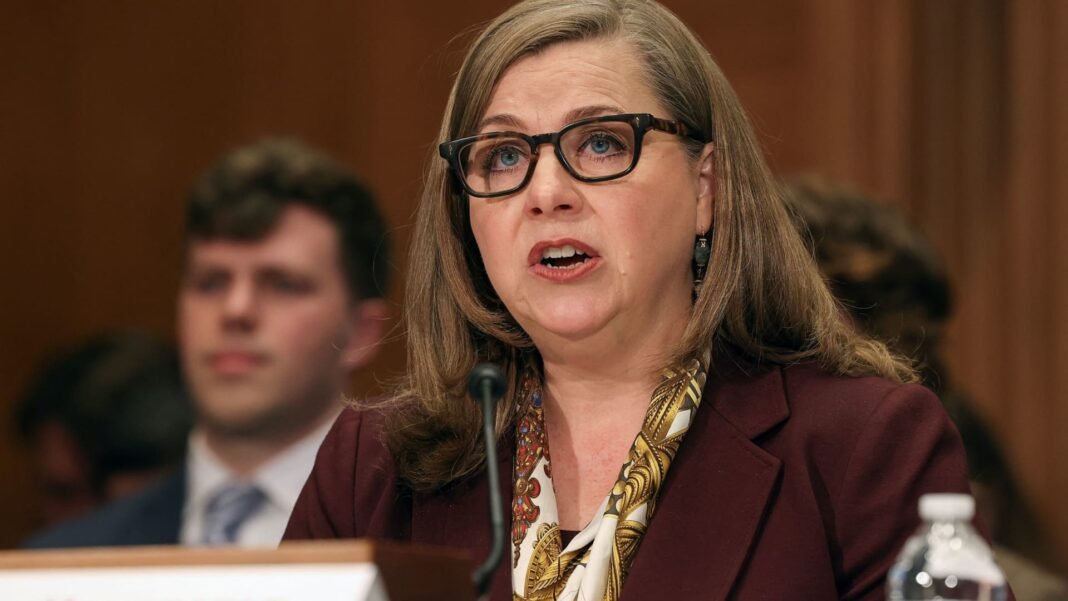
Michelle Bowman, Vice Chair for Supervision at the Federal reserve, underscored that these results reflect a solid foundation within the banking sector despite potential economic headwinds ahead.
Regulatory shifts: Stress Tests Without Immediate Capital Consequences
This year’s stress test marks a notable change as its outcomes will not directly affect how much capital large banks must hold going forward. Regulators have decided that current stress test capital buffers will remain fixed until at least 2027 while they refine testing methodologies based on industry feedback.
This temporary freeze provides regulators with time to recalibrate supervisory frameworks without imposing immediate constraints on bank capitalization-a significant adjustment amid ongoing discussions about optimal regulatory strategies.
Market Experts’ Take on Current Stress Testing practices
An analysis by KBW research characterized this year’s exercise as largely procedural rather then groundbreaking. According to analysts led by Christopher McGratty, financial firms are more focused on forthcoming regulatory changes such as the Basel III Endgame proposal expected later this year than on this particular round of stress tests.
If These Results Were Enforced Today: Potential Effects
- Certain major banks-including Morgan Stanley, Citigroup, Citizens Financial Group, and KeyCorp-would have experienced meaningful reductions in thier available capital buffers based on this year’s findings if they were immediately binding.
- This underscores how future regulatory updates could considerably influence bank capitalization strategies onc new rules take effect after revisions conclude post-2027.
The Broader Context: Ensuring Banking Sector Stability Amid Global uncertainty
The capacity of U.S. banks to absorb hundreds of billions in losses while maintaining critical lending functions is vital for overall economic stability-especially given rising inflationary pressures and geopolitical tensions worldwide. For example, during previous crises such as the COVID-19 pandemic downturn or following the 2008 financial crisis aftermaths, strong bank capitalization was essential in cushioning systemic shocks effectively.
“the latest Fed stress tests confirm that despite ongoing global challenges-from supply chain disruptions impacting manufacturing sectors across Asia-Pacific regions to volatile energy prices-the core U.S. banking system remains resilient enough to support households and businesses through uncertain times.”