Ford’s New Direction: Transitioning from Large Electric vehicles to Advanced battery Storage
Transforming Battery Manufacturing for Energy Storage Applications
Ford is shifting its focus away from producing large electric vehicles and instead channeling its battery manufacturing expertise into the rapidly expanding energy storage sector.rather than abandoning its battery ambitions, the automaker is repurposing existing production capabilities to develop innovative battery storage systems aimed at supporting data centers and enhancing grid stability.
Adopting Lithium Iron Phosphate (LFP) Batteries for Durability and Cost Efficiency
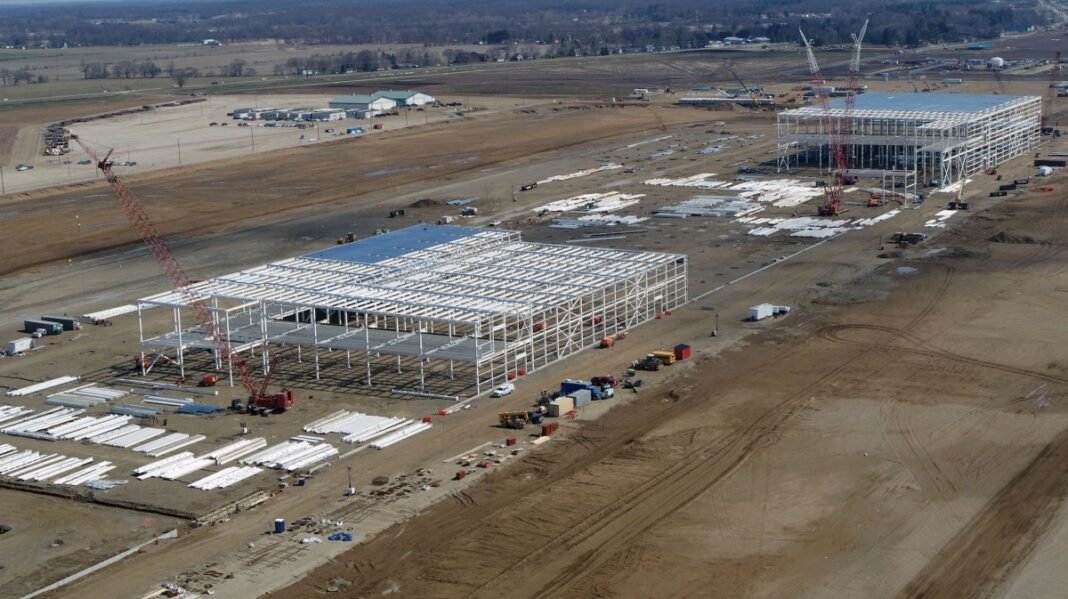
The forthcoming energy storage products will be built around lithium iron phosphate (LFP) technology, prized for its safety profile, extended lifespan, and affordability. Ford plans to commence shipments by 2027 with a target of reaching an annual production capacity of 20 gigawatt-hours (GWh). This strategy leverages licensed LFP technology from China’s CATL while utilizing current manufacturing infrastructure at Ford’s Kentucky plant.
Financial Commitment and Production Strategy
- An investment totaling $2 billion over two years will support this strategic pivot.
- The kentucky facility will manufacture both LFP batteries and modular energy storage units housed in standardized 20-foot DC containers.
- This initiative combines Ford’s century-long mastery in mass production with proven LFP technology to meet growing market demands efficiently.
Diverse Market Targets: From Commercial Grids to Residential Use
The primary customers for these new battery systems are commercial grid operators seeking dependable solutions for energy buffering. Secondary markets include data centers that require uninterrupted power supply capabilities. In the longer term, Ford intends to broaden its portfolio by introducing residential-scale energy storage products tailored for home use.
“The demand clearly favors LFP prismatic container systems,” stated a senior executive at Ford. “With our existing license agreement and manufacturing expertise, entering this sector was a logical progression.”
Progress at BlueOval Battery Park Michigan: Expanding production Capabilities
The BlueOval Battery Park located in Marshall remains on track to begin producing LFP batteries by 2026 using CATL-licensed technology. These batteries will not only power upcoming mid-sized electric trucks but also include smaller amp-hour cells designed specifically for residential applications-signaling an expansion beyond purely commercial clients into consumer markets.
Adjustments Reflecting Market Dynamics
- The original $3.5 billion project aimed at large-scale LFP production supporting an extensive EV lineup;
- Construction was paused late in 2023 due to evolving strategic priorities;
- A revised plan now targets approximately 20 GWh annual output-about 43% less than initially planned-better aligning with current market forecasts.
Batteries Beyond Vehicles: Industry-Wide Shifts Toward Stationary Storage Solutions
This transition places Ford alongside other automakers diversifying into stationary battery markets. For instance, Tesla has been delivering roughly 10 GWh quarterly through Powerwall and Megapack products over recent years, while General Motors offers integrated home-based and commercial-scale battery solutions linked with renewable projects worldwide.
A Practical Example: Addressing Renewable Energy Variability Through Storage
A real-world illustration of the critical need for such technologies occurred during California’s recent summer blackouts despite high solar generation earlier in the day. Grid-scale battery storage can mitigate these fluctuations by storing surplus electricity when supply exceeds demand and releasing it during peak usage or shortages-a vital role companies like ford aim to fulfill through their new product lines as renewable integration challenges grow globally.