Ford Alters Course: Ending Production of the Fully electric F-150 Lightning
Ford has revealed a significant shift in its electric vehicle strategy by discontinuing the fully electric F-150 Lightning. Rather, the company will launch an “extended range electric vehicle” (EREV) version of the truck, which integrates a gasoline-powered generator to recharge its battery, enabling driving distances surpassing 700 miles on a single refuel.
Financial Repercussions and Strategic Shift
This strategic adjustment carries significant financial implications for Ford. The automaker anticipates recording a $19.5 billion charge as it restructures its EV operations. This includes an $8.5 billion impairment on EV-related assets expected to impact fourth-quarter results, alongside projected cash outlays totaling $5.5 billion through 2027.
Impact on Manufacturing and Future Vehicle Plans
The decision affects several production facilities and workforce deployment across Ford’s network. Notably, development of Ford’s next-generation all-electric pickup-codenamed “T3”-has been canceled. Unlike the current Lightning that adapts electric components onto an existing gasoline truck platform, T3 was engineered from inception as a dedicated electric vehicle.
Furthermore, Ford is halting work on its upcoming commercial van model but will maintain production of the current E-transit lineup.
Why Larger Electric Vehicles Are being Phased Out
Ford cites declining market demand combined with elevated manufacturing costs and shifting regulatory landscapes as key reasons behind discontinuing certain larger electric vehicles that no longer present viable profitability prospects.
The Future Focus: Mid-Sized Electric Trucks and Battery Advancements
The company remains committed to introducing a mid-sized all-electric pickup by 2027. This new model will be built upon platforms developed under guidance from former Tesla executives Doug Field and alan Clarke during an internal innovation program.
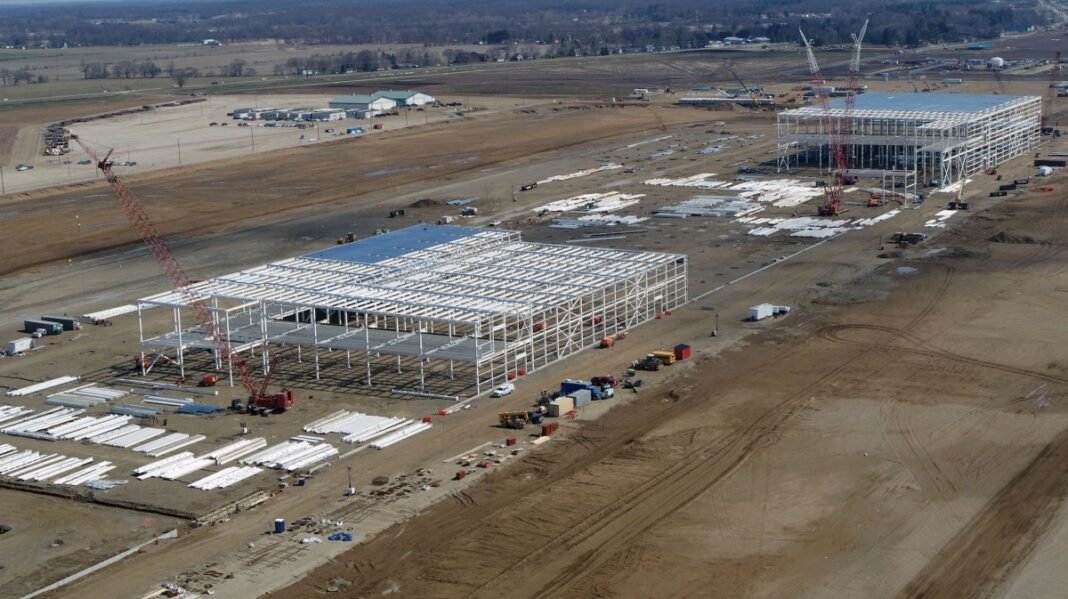
This upcoming mid-sized truck will feature lithium iron phosphate (LFP) batteries manufactured at BlueOval Battery Park Michigan starting in 2026-a strategic move aimed at lowering costs while preserving performance quality.These LFP cells utilize technology licensed from China’s CATL and form part of Ford’s broader push toward affordable electrification solutions for mass markets.
Diversifying Investments Beyond Large EVs
“Rather than funnel billions into large electric vehicles lacking clear profitability,” stated Ford president Andrew Frick during a press briefing, “we are reallocating resources toward higher-return areas such as hybrid trucks and vans, extended-range electrics like our new F-150 variant, cost-effective EVs targeting wider audiences, plus emerging sectors including energy storage.”
Navigating Market Challenges for Electric Pickups
The original F-150 Lightning launched amid high anticipation following its 2021 debut alongside other ambitious electrification projects like the Mustang Mach-E SUV series. Initially priced near $40,000 with fleet buyers in mind rather than retail customers-which often faced higher prices-the Lightning struggled against fierce competition within North america’s full-size pickup segment.
Sales data illustrate these challenges: since launch through early 2025 average quarterly sales hovered around 7,000 units with peak deliveries reaching approximately 11,000 trucks in Q4 last year-figures modest compared to traditional gas-powered pickups or competitors such as GMC’s Hummer EV or Tesla’s Cybertruck prototypes entering production phases amid aggressive price adjustments intensifying rivalry across brands.
Evolving Political & Economic Influences Affecting Demand
- Tesla implemented steep price reductions industry-wide aiming to stimulate volume amid slowing consumer interest;
- A political shift in Washington-with Republican control over Congress following recent elections-has introduced uncertainty regarding federal incentives supporting clean energy vehicles;
- Persistent inflationary pressures have driven up raw material costs impacting overall manufacturing expenses;
- User adoption remains cautious due to limited charging infrastructure outside urban centers undermining confidence for long-distance travel;
- Lukewarm consumer enthusiasm for costly full-size electric pickups compared with conventional fuel alternatives continues restricting market growth despite rising global environmental awareness.
A New Direction for Ford’s Electrification Journey
This recalibration highlights that fully battery-electric large trucks face considerable obstacles today stemming not only from technological readiness but also economic realities and policy shifts beyond automakers’ control; companies like Ford are exploring hybrid approaches combining combustion engines with batteries alongside smaller-scale pure electrics supported by innovative battery chemistries such as LFP cells.
The extended-range variant of their flagship pickup aims both to ease range anxiety concerns while balancing affordability against evolving customer expectations moving forward into this dynamic automotive landscape.