FordS Determined Push into Electric Vehicles Despite Industry Headwinds
In the face of notable challenges within the electric vehicle (EV) market-including billions in financial setbacks and slower-than-expected consumer uptake-Ford Motor Company remains unwavering in its commitment to pioneering the next generation of EV technology. CEO Jim Farley describes these forthcoming models as game-changers that could reshape the automotive landscape.
While numerous automakers are retreating from their EV goals due to economic constraints and diminishing U.S.consumer incentives, Ford continues to invest heavily in this sector. This resolve endures even after absorbing $19.5 billion in restructuring expenses tied to its electric vehicle operations and navigating leadership shifts within its EV division.
The Universal Electric Vehicle Platform: A Cornerstone for Future Success
A pivotal element of Ford’s vision is the progress of its Universal Electric Vehicle (UEV) platform-a ground-up design focused on producing affordable,profitable electric vehicles capable of competing globally with industry leaders such as Tesla and rapidly advancing Chinese manufacturers.
The UEV platform is central to transforming Ford’s Model e division from a multi-billion-dollar loss center into a break-even business by 2029.The company projects that new vehicles built on this architecture will reach profitability within just one year following their launch.
The inaugural model based on the UEV platform will be an economical midsize pickup truck priced near $30,000, aimed at North American buyers with plans for release next year. This truck intends to deliver exceptional value through competitive pricing and innovative design features unmatched by rivals.
Streamlined Engineering Coupled with Advanced Manufacturing
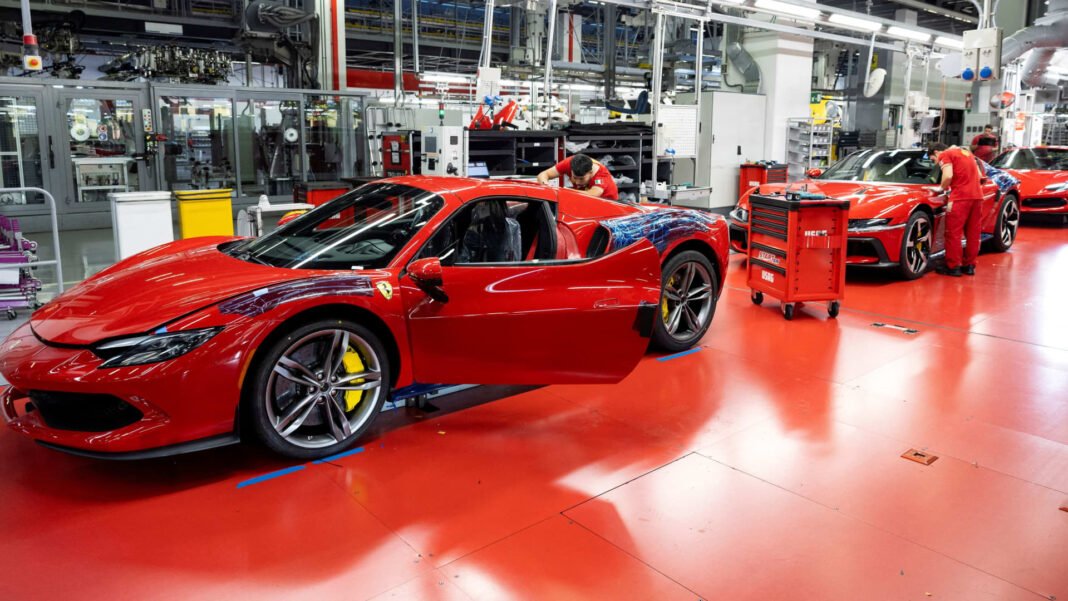
Ford is adopting strategies that simplify vehicle construction by reducing parts count by approximately 20% compared to current models like the Mustang Mach-E. Utilizing cutting-edge manufacturing methods such as megacasting-where large aluminum components are produced as single pieces-the company aims to substantially enhance assembly efficiency.
This approach cuts fasteners by 25%, lowers workstation needs by 40%, and shortens assembly time by around 15%. These improvements are crucial given that battery expenses have historically inflated EV production costs; Ford anticipates these innovations will substantially narrow that gap moving forward.
Facing global Rivals: The Surge of Chinese Automakers
The rapid expansion of Chinese car manufacturers presents a formidable challenge for global competitors like Ford. Although most Chinese brands have yet to enter the U.S., their worldwide market share has surged nearly 70% over five years, driven largely by accelerated product development cycles averaging about 20 months-roughly half the time taken by traditional automakers-and shorter validation periods.
Alan Clarke, vice president overseeing advanced EV projects at Ford, acknowledges this intense competition but remains confident in UEV’s potential despite regulatory differences and government support favoring Chinese companies abroad.
“Speed is our ultimate advantage,” Clarke emphasized. “To win domestically, we must offer vehicles priced appropriately for American consumers without compromising quality.”
Global Collaborations Enhancing Market Adaptability
Aiming beyond North America-their current primary focus-Ford is actively pursuing partnerships with international automakers such as Renault from France and Volkswagen from Germany. These alliances seek to share technological advancements while swiftly adapting products across diverse markets where local players dominate or regulations vary significantly.
An Agile Innovation Culture Driving Progress Forward
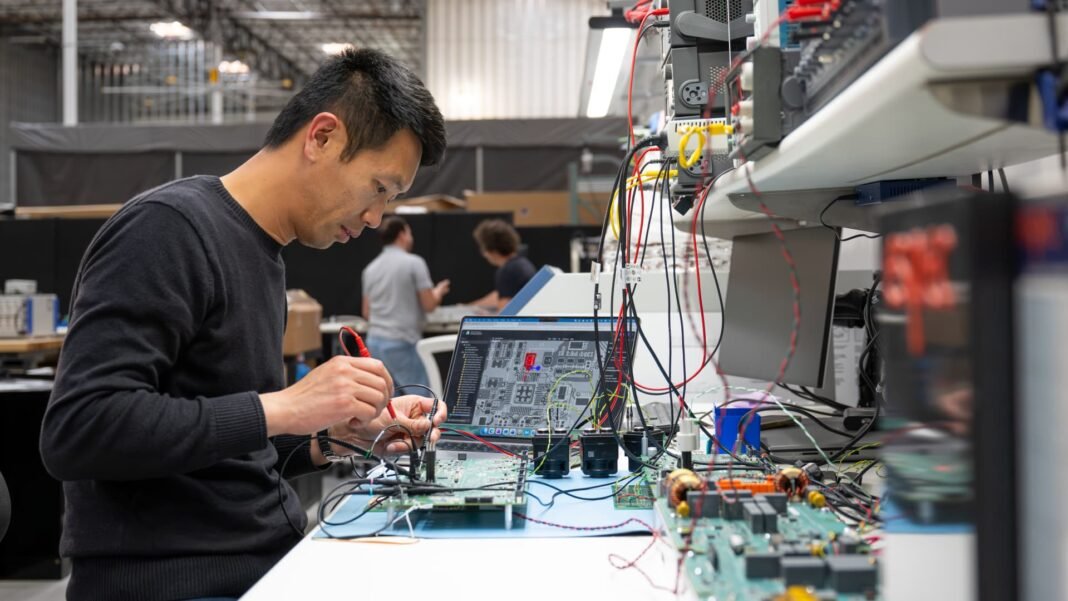
A key driver behind much of Ford’s recent momentum lies within its “skunk works” team-a nimble unit established around 2022 designed specifically to operate free from traditional corporate bureaucracy common among large automotive firms. This group fosters agility more typical of tech startups or aerospace innovators than conventional car manufacturing environments.
“Our skunk works model enables rapid innovation alongside seamless integration into mainstream products,” Clarke explained during a visit to their dedicated Long Beach facility focused exclusively on future EV development efforts.
A Cutting-Edge Facility Shaping Tomorrow’s Mobility Solutions
This expansive campus covers over 270,000 square feet across two buildings near Long Beach Airport and employs roughly 350 specialists drawn from diverse fields including former Tesla engineers and aerospace experts-highlighting an interdisciplinary approach toward innovation.
The site also plans an additional testing center spanning another 150,000 square feet dedicated solely to rigorous validation processes essential before mass production begins.
This considerable investment underscores a long-term commitment rather than short-lived experimentation amid fluctuating global market conditions.
Learning From Past Setbacks While charting New Paths Ahead
Ford has encountered obstacles previously; earlier ambitious initiatives such as fully electric versions of popular trucks fell short or were converted into hybrids due partly to high battery costs or unprofitable forecasts. Similarly canceled was a three-row all-electric SUV once hailed as revolutionary but later deemed financially impractical under prevailing market dynamics.
This experience informs today’s sharper emphasis on smaller vehicles built upon modular platforms like UEV designed specifically for affordability without sacrificing performance or quality standards demanded by modern consumers seeking sustainable transportation options without premium price tags traditionally linked with larger batteries or luxury features.
An Ambitious Vision Rooted Deeply in American Manufacturing Legacy
“This initiative marks our most profound transformation sence Henry Ford introduced his Model T,” Farley remarked regarding ongoing investments at facilities including Louisville Assembly Plant where new midsize pickups will be manufactured domestically.
- Batteries: Adoption of lithium iron phosphate cells produced domestically promises enhanced safety profiles alongside cost savings compared with cobalt-heavy alternatives prevalent elsewhere;
- E-Architecture: Introduction of an innovative 48-volt electrical system that reduces weight while boosting energy efficiency;
- Simplification: Streamlined structural components directly translate into optimized supply chains plus faster build times;
Navigating Tomorrow: Balancing Speed With Sustainability
< p >As global competition intensifies – especially given China’s accelerated timelines – success depends not only on technological breakthroughs but also operational excellence combined with strategic alliances . By embracing agile methodologies , lean manufacturing , & cross-industry expertise , ford aims not merely survive but thrive amid evolving mobility landscapes .< p >With ambitions firmly grounded around affordability , domestic job creation , & environmental stewardship , ford ‘s universal electric vehicle initiative represents more than product innovation ; it signals renewed determination aligned closely with shifting consumer expectations & geopolitical realities shaping tomorrow ‘s automotive world .