Goldman Sachs Exceeds profit Expectations Thanks to Strong Trading and Wealth Management Results
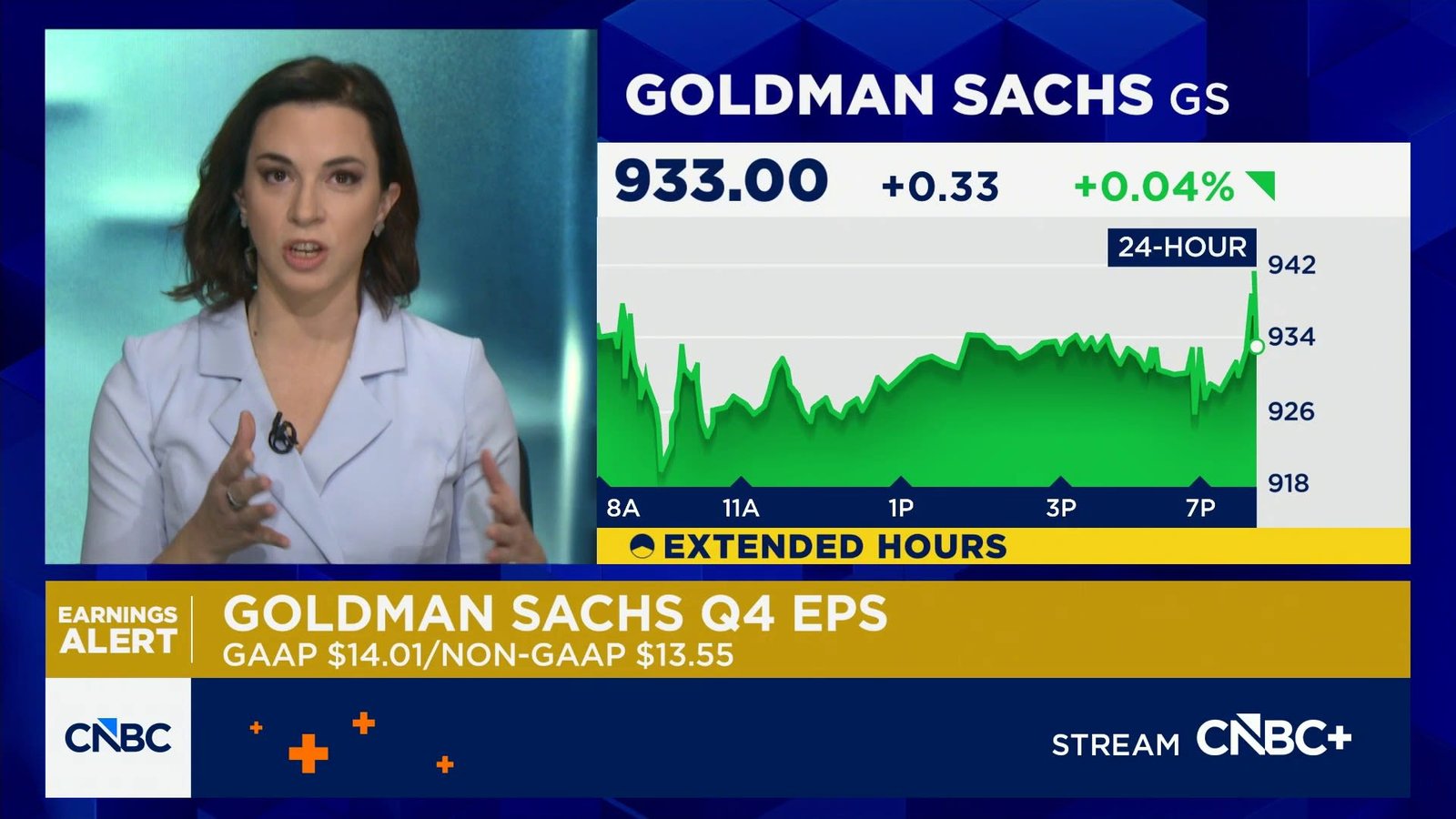
goldman Sachs delivered fourth-quarter earnings that outpaced analyst forecasts, fueled by impressive gains in equities trading alongside solid contributions from its asset and wealth management divisions. The firm surpassed revenue estimates by nearly $900 million, demonstrating resilience amid recent strategic realignments.
Key Financial Metrics: Earnings and Revenue Breakdown
- Earnings per Share (EPS): $14.01, well above the consensus estimate of $11.67 per share
- Total Revenue: $13.45 billion, slightly under the anticipated $13.79 billion
The company’s net income increased 12% year-over-year to reach $4.62 billion, driven primarily by robust performance in its capital markets operations.
This EPS notably exceeded expectations even after excluding a one-time gain of 46 cents per share related to Goldman’s divestment of its Apple Card loan portfolio.
Strategic Portfolio adjustments Influence Revenue Trends
The modest shortfall in total revenue compared with projections was largely due to Goldman Sachs’ sale of the Apple Card loan portfolio to JPMorgan Chase and the early conclusion of their partnership with Apple.
This shift significantly impacted Goldman’s platform solutions segment, which reported a loss of $1.68 billion for the quarter-a stark contrast to a gain of $592 million during the same period last year.
A Resilient Wall Street Model Amid Market fluctuations
Despite challenges in certain segments, Goldman Sachs’ core Wall Street business model remains sturdy amid volatile market conditions marked by high stock valuations, falling interest rates, increased institutional investor participation, and persistent global economic uncertainties affecting commodities and currency markets.
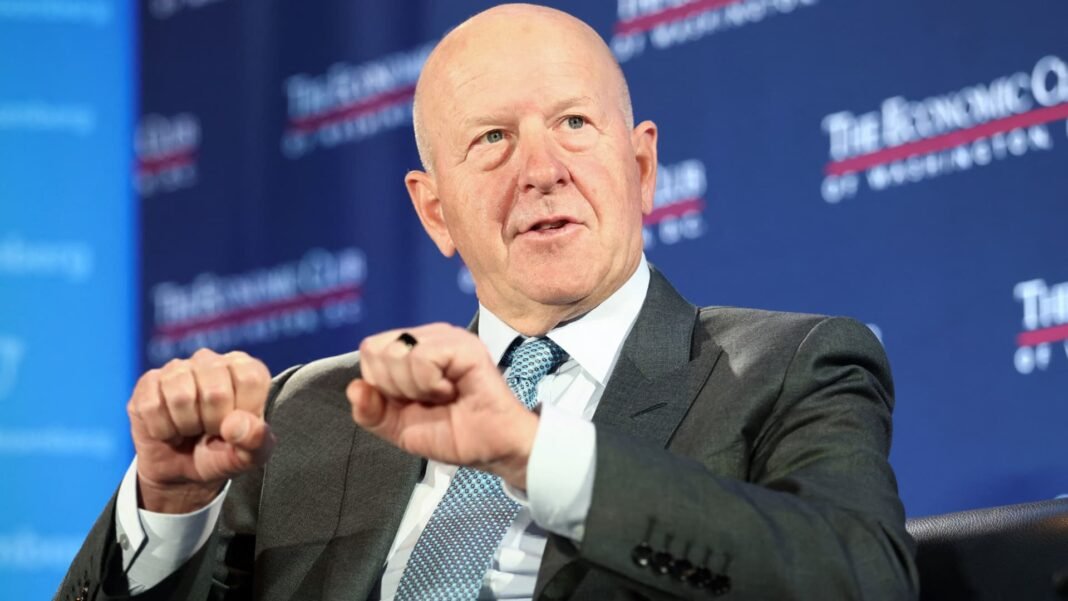
“Client engagement continues at an exceptional level across our franchise,” remarked goldman Sachs’ CEO during their earnings call. “we expect this momentum will strengthen throughout 2026, fostering a positive cycle benefiting all parts of our firm.”
Positive Forecast Backed by Capital Markets Recovery and Regulatory Tailwinds
The bank anticipates surpassing mid-teens return targets while maintaining an efficiency ratio near 60%, supported by favorable deregulation trends within the industry alongside a rebound in capital markets activity.
Diverse Business Units Propel Growth trajectory Forward
Spectacular Gains from Equities Trading Segment
The equities division stood out this quarter with trading revenues climbing approximately 25% year-over-year to about $4.31 billion-exceeding expectations by roughly $610 million-as Goldman leveraged heightened financing trades and derivative sales aimed at hedge funds and institutional investors alike.
Robust Fixed Income Trading Coupled With Rising Investment Banking Fees
- Fixed Income Trading: Revenues rose 12% reaching around $3.11 billion due mainly to triumphant positions on interest rate fluctuations and commodity price movements; this beat estimates by about $180 million.
- Mergers & Acquisitions Advisory plus Debt Underwriting: Investment banking fees surged 25% hitting approximately $2.58 billion-aligning with analyst predictions-with deal backlog growth signaling sustained momentum into next year.
Sustained Stability Within Asset & Wealth Management Division
This segment maintained steady revenue close to last year’s levels at roughly $4.72 billion but still outperformed forecasts by nearly $270 million thanks largely to rising management fees from an expanding asset base offsetting weaker public equity returns along with reduced private equity gains.
Evolving Industry Landscape Reflected Through Strategic Shifts Post-Pandemic
The decision to exit consumer credit card operations highlights how leading banks are refocusing on higher-margin businesses amid shifting regulatory frameworks-a trend mirrored across major financial institutions adapting portfolios following pandemic-induced disruptions worldwide.