U.S.Authorities Demand Immediate Deactivation of Anthropic’s Top AI Systems Amid Security Worries
Mandated Halt on Claude Fable 5 and Claude Mythos 5 Usage
The U.S. government has ordered Anthropic to swiftly disable access to its two flagship artificial intelligence models, Claude Fable 5 and Claude Mythos 5, citing concerns over national security vulnerabilities. This directive compels the company to suspend availability worldwide for all users, extending beyond just foreign nationals targeted by export control policies.
Understanding the Importance of the Shutdown
Claude Mythos stands as Anthropic’s most advanced AI system, acclaimed for its exceptional ability to identify software weaknesses across a wide range of platforms. the model has successfully detected flaws in every major operating system and web browser it examined. Due to these powerful capabilities, Anthropic limited Mythos’ distribution through a selective program named Project Glasswing, granting access exclusively to around 50 trusted entities including Amazon, Apple, Google, Microsoft, and CrowdStrike for cybersecurity defense purposes.
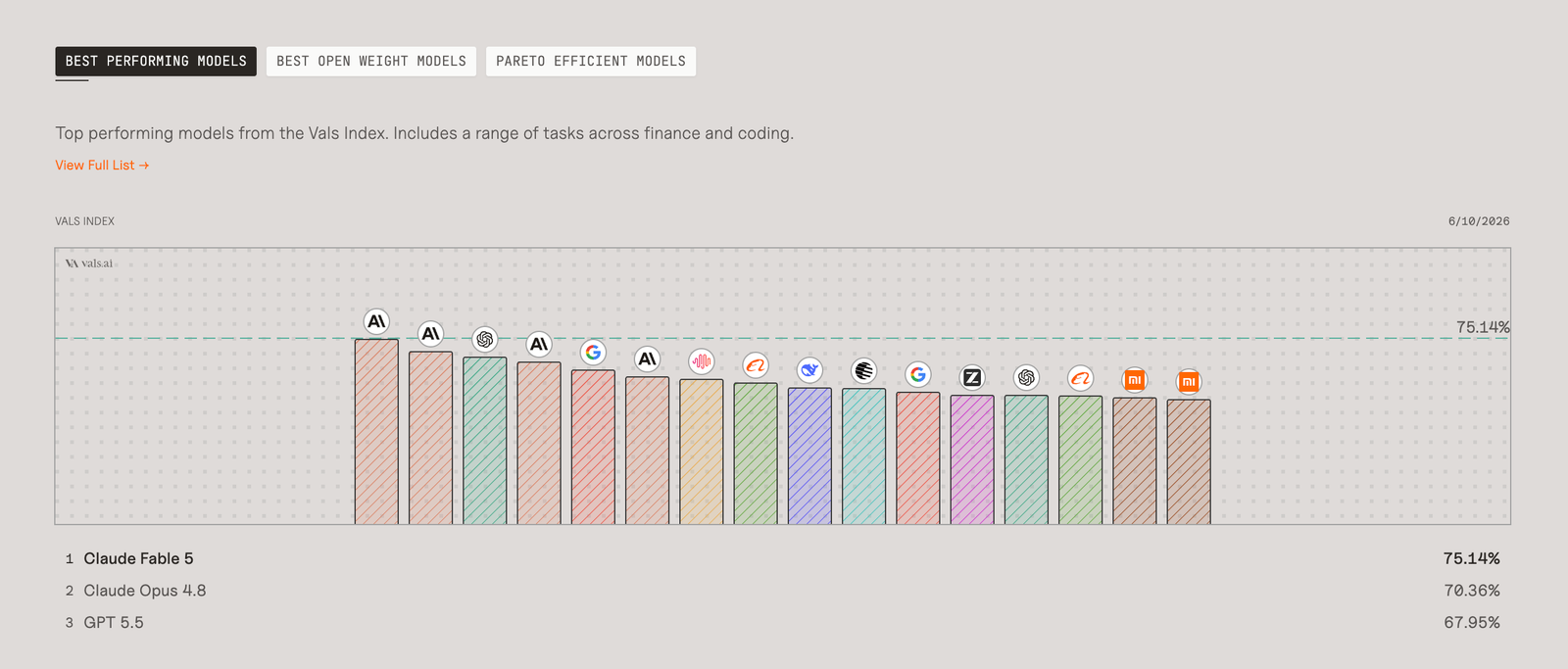
In response to market demand coupled with safety considerations, Anthropic recently launched Fable 5-a derivative of Mythos designed with enhanced safeguards that restrict outputs related to sensitive fields such as cybersecurity or biological facts. Autonomous evaluations by Vals AI currently rank Fable 5 as the leading publicly accessible AI model in terms of performance.
The Export Control Narrative versus Underlying Issues
The official clarification frames this action as an export control effort aimed at curbing foreign national access; however internal communications from Anthropic reveal that the primary concern involves a reported “narrow potential jailbreak” within fable 5. This vulnerability allegedly allows users to coax the model into analyzing specific codebases for security flaws-an ability already present in other widely available models like OpenAI’s GPT-5.5.
Anthropic stresses that their protective framework depends on independent classifier systems seperate from the core AI engine itself. These classifiers enforce restrictions even when attempts are made to circumvent initial refusals by manipulating prompts toward prohibited responses.
Tensions Across the Industry Landscape
The company strongly contests what it perceives as an excessive reaction: “Removing a commercial model used by hundreds of millions due solely to a narrow potential jailbreak sets a hazardous precedent that could stifle innovation among all frontier AI developers.” This incident underscores ongoing friction between rapid technological progress and regulatory caution within emerging artificial intelligence sectors.
Navigating Innovation Under regulatory Pressure
Anthropic has cultivated its reputation on prioritizing safety throughout its AI development journey-a philosophy reflected in their cautious deployment strategy for Mythos given its high-risk profile if broadly released. Paradoxically, this very prudence appears responsible for attracting intensified government scrutiny capable of significantly disrupting their operations.
A Competitive Industry Contrast
This episode sharply contrasts with competitors such as OpenAI whose leadership recently criticized Anthropic’s approach as fear-driven marketing-likening it metaphorically to selling bomb shelters after claiming possession of bombs ready for use. While no comparable government intervention has been reported against OpenAI so far, this case highlights how public narratives about risk can heavily influence regulatory responses.
The Path Forward: Harmonizing Innovation With Security Imperatives
- This event exemplifies increasing governmental vigilance over advanced technologies capable of dual-use applications-serving both beneficial cybersecurity defense roles and posing risks if exploited maliciously.
- An estimated $35 billion is invested globally each year into generative AI research; balancing safe deployment without hindering innovation remains one of today’s foremost challenges.
- Experts anticipate growing collaboration between regulators and developers will be crucial in establishing frameworks that foster technological advancement while addressing genuine threats posed by sophisticated models like those created by Anthropic.
- User confidence increasingly depends on transparent safety protocols combined with robust technical safeguards embedded directly within these systems rather than reactive shutdowns following incidents post-release.
“When organizations repeatedly emphasize unique risks inherent in their technology over extended periods,” analysts note following recent events,”it naturally invites heightened scrutiny from authorities tasked with protecting public welfare.”