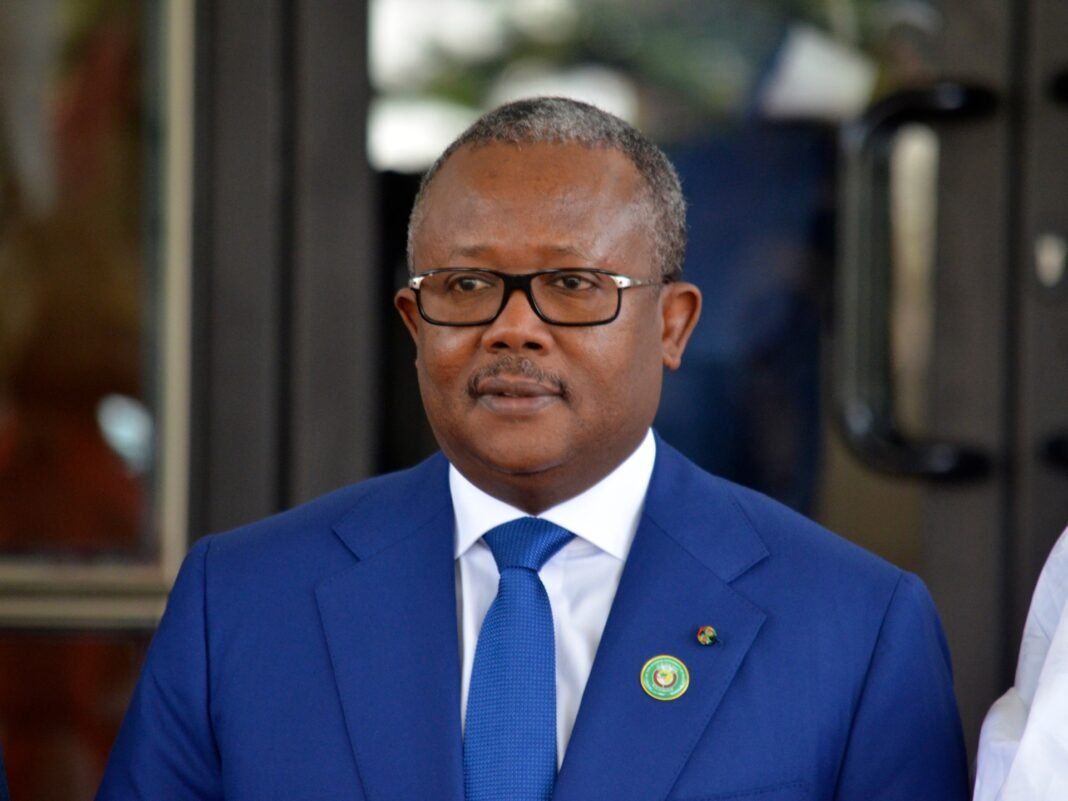
Umaro Sissoco Embalo Seeks Safety in Senegal Following Guinea-Bissau Military Takeover
Following a sudden military coup that ousted him from power, former Guinea-Bissau president Umaro Sissoco Embalo has found refuge in Senegal. This was officially confirmed by Senegal’s Ministry of Foreign Affairs just one day after the armed forces seized control of the West African country.
Guinea-Bissau’s Political crisis Deepens Amid Election Disputes
The coup erupted amid rising tensions surrounding the presidential election results. Military leaders announced they had taken “full control” of Guinea-Bissau shortly before provisional vote tallies were expected to be released.Embalo was vying for re-election against his main opponent,Fernando Dias; both candidates declared victory ahead of any official confirmation.
The electoral process itself was marred by controversy when the dominant opposition party,PAIGC,was barred from presenting a candidate. This exclusion triggered widespread condemnation from civil society groups who questioned the legitimacy and fairness of the elections and demanded transparency.
Immediate Measures Under New military Leadership
The group calling themselves the “High Military Command for Restoration of Order” issued a public statement suspending all electoral activities indefinitely. They also enforced strict security measures including border shutdowns and an overnight curfew to solidify thier authority over the nation.
Within 24 hours, general Horta Inta-A was appointed transitional president through a military decree. He defended this intervention as necessary to restore stability amid what he described as escalating disorder within Guinea-Bissau.
Regional Responses and Diplomatic Interventions
The African Union promptly condemned the coup, demanding unconditional release of Embalo along with other detained officials. The AU chairperson urged all parties involved to exercise restraint in order to prevent further destabilization in this already fragile region-one that has experienced numerous coups as gaining independence from Portugal in 1974.
Senegal took an active diplomatic role during this crisis by coordinating with key figures inside Guinea-Bissau and arranging a special flight that safely transported Embalo into its territory.
“The Republic of Senegal remains dedicated to working alongside ECOWAS, the African Union, and international partners to foster dialog, ensure stability, and expedite restoration of constitutional governance,” declared Senegal’s Foreign Ministry upon confirming Embalo’s arrival.
A Wider pattern: Political Instability Across West Africa
- This recent upheaval adds another chapter to West Africa’s ongoing struggle with military interventions disrupting democratic processes over past decades.
- Mali experienced two coups between 2020 and 2021 which similarly interrupted elections amidst security threats linked to insurgencies across Sahelian nations.
- Sierra Leone faced political turmoil during contested elections but successfully navigated peaceful transitions through regional mediation efforts supported by ECOWAS frameworks focused on conflict resolution tailored for fragile democracies.
The Road Ahead: Navigating Governance Challenges in Guinea-Bissau
The indefinite suspension of electoral proceedings casts doubt on when constitutional order might be reinstated in Guinea-Bissau-a country struggling with chronic political instability despite possessing valuable natural resources such as cashew nuts that account for more than 90% of its export revenue according to recent trade statistics (2023).
Civil society organizations continue pushing for inclusive dialogue involving all political stakeholders alongside international observers committed to overseeing transparent elections under credible frameworks designed specifically for post-conflict environments across Africa today.