Harvey Weinstein’s New York Trial: Power Dynamics and the Question of Consent
the current legal case against harvey Weinstein in New York centers on hairstylist and actor Jessica Mann’s testimony about a 2013 encounter in a Manhattan hotel room. This marks the third occasion Weinstein faces rape allegations in the city, revisiting claims that have significantly influenced public conversations about abuse of authority.
Understanding Influence and Authority Behind Closed Doors
Prosecutors portray Weinstein as a once-powerful Hollywood executive who misused his position to commit sexual offenses. Manhattan Assistant District Attorney Candace White highlighted during opening arguments that this trial fundamentally concerns power, control, and manipulation. The prosecution asserts that Weinstein exploited his celebrity status to pressure victims into compliance.
Conversely, defence lawyer Jacob Kaplan framed the proceedings around themes of consent, choice, and regret, arguing that Mann engaged willingly with Weinstein but later reinterpreted their interactions negatively. This defense approach underscores ongoing debates about consent within relationships marked by significant power imbalances.
A Focused Examination of One Incident Amid Broader Allegations
This trial zeroes in exclusively on what occurred between Mann and Weinstein during their 2013 meeting at a Manhattan hotel. Unlike previous trials involving multiple accusers and charges, this case isolates one event while still exploring the nature of their relationship before and after it took place.
Mann was 27 when she first encountered Weinstein at an industry gathering near Los Angeles earlier that year. She sought professional opportunities but found herself caught in a complicated dynamic with him-initially described as ambivalent yet consensual.
The Hotel Room Encounter: Divergent Accounts
Mann testified previously that during a breakfast arranged for friends including Weinstein, he cornered her inside his hotel room despite her protests saying “I don’t want to do this.” She recalled how he physically restrained her arms while demanding she undress. Feeling trapped, she said she complied only to escape the situation.
The prosecution argues this episode exemplifies how influential figures can silence victims through intimidation or fear of career consequences-a tactic they claim was repeatedly used by Weinstein over decades.
Evolving Defense Tactics Reflect shifts in Legal Strategy
Weinstein has switched legal teams since earlier trials; his current attorneys adopt a more cautious stance regarding sensitive issues such as financial settlements Mann received from funds set up for women alleging misconduct by him. He continues to plead not guilty to all charges related to nonconsensual sex acts.
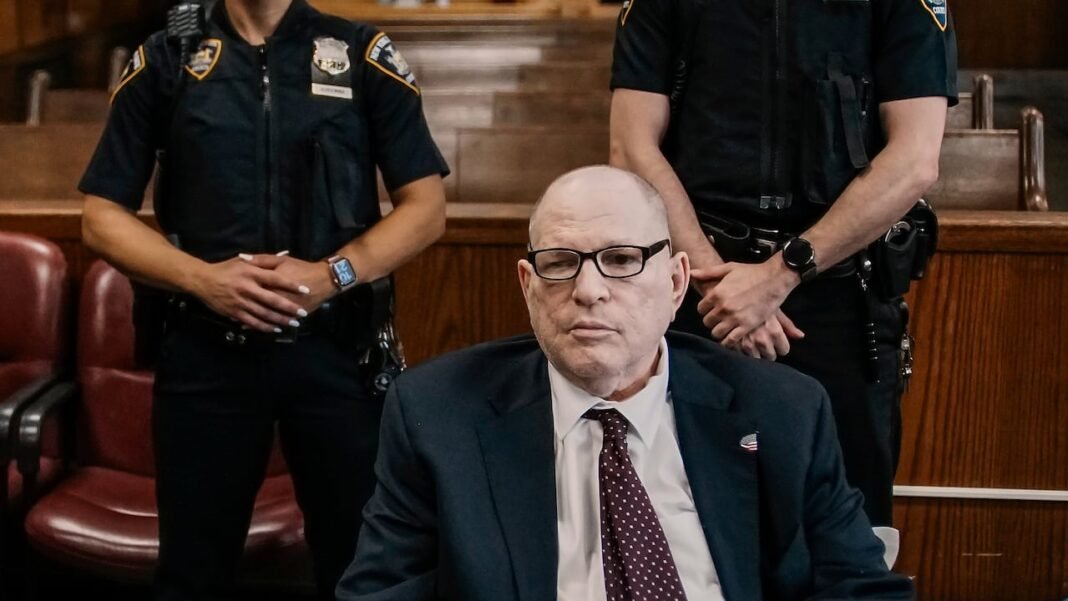
During court appearances earlier this year, Weinstein admitted infidelity but denied any assaultive conduct: “I acted wrongly,” he stated publicly, “but I never assaulted anyone.” Now 73 years old and incarcerated following convictions across several states-including California-his dramatic fall from grace remains one of Hollywood’s most notorious scandals.
A Jury Representing Varied Perspectives
The jury currently comprises seven men and five women selected last week; notably different from past juries which varied widely in gender makeup. Their deliberations will determine whether evidence proves criminal liability beyond reasonable doubt concerning thes specific charges among others pending resolution.
Cultural Reverberations: From Industry Powerhouse To Convicted Offender
Once hailed for producing acclaimed films like Pulp Fiction , Titanic ,and The Aviator , alongside popular TV shows such as Project Runway , Harvey Weinstein held immense sway artistically and politically-as an active Democratic donor supporting numerous campaigns nationwide until allegations surfaced publicly via social media movements like #MeToo starting in 2017. these revelations ignited global discussions on sexual harassment across industries worldwide with recent studies showing nearly 30% increase in reporting rates over five years according to UN Women data reflecting heightened awareness efforts globally.
Navigating Complex Victim-perpetrator Relationships
- Mann’s ongoing contact: Despite alleging assault during their encounter, Mann maintained communication afterward-accepting invitations from Weinstein seeking career help-which prosecutors argue indicates coercion rather than genuine consent due to fear or pressure.
- Courtroom contention: Defense attorneys claim these continued interactions undermine accusations by suggesting voluntary involvement instead of victimization.
- The jurors’ challenge: They must carefully evaluate conflicting testimonies amid nuanced psychological factors inherent when power disparities exist between parties involved.
A Trial Resonating Beyond Legal Boundaries
Caution:This content may be distressing for individuals affected by sexual violence or those close to survivors.
This retrial is expected to last approximately four weeks as it revisits critical questions surrounding accountability within systems historically tolerant toward influential offenders. It highlights ongoing societal efforts aimed at addressing abuses committed under the guise of fame or authority while balancing principles like due process rights guaranteed under modern law enforcement frameworks worldwide-including recent statistics indicating increased reporting linked directly with awareness campaigns globally (e.g., UN Women reports show nearly 30% rise over past five years).