Deadly Explosion Claims Young Lives in Yemen’s Taiz Amid Persistent Conflict
In the southwestern city of taiz, a tragic explosion has taken the lives of at least five children who were playing football in a residential neighborhood. This heartbreaking event unfolded late on Friday evening within the al-Hashmah subdistrict,an area severely impacted by Yemen’s ongoing civil war.
Eyewitness Reports and Incident Overview
The precise cause and details surrounding the blast remain unclear. Nevertheless, several human rights organizations-including the Yemen Center for Human Rights and Eye of Humanity-and also Houthi-affiliated Al Masirah TV have pointed fingers at militias connected to the Islah party, which supports yemen’s internationally recognized government.
Local residents Ahmed al-Sharee and Khaled al-Areki described how children were engaged in a football match when an explosive device suddenly detonated nearby. Multiple other youngsters suffered injuries ranging from minor to moderate severity and were swiftly taken to medical centers for urgent care.
An additional witness, Mahmoud al-Mansi, reported that artillery fire appeared to have been launched by forces allied wiht Islah targeting this civilian neighborhood.
Humanitarian Efforts Amid Verification Difficulties
The United Nations agency UNICEF confirmed awareness of reports about this devastating incident but noted their inability to independently verify all aspects at present. Medical personnel at al-Rafai Hospital confirmed receiving several unresponsive victims bearing severe shrapnel wounds consistent with artillery shelling.
The ages of four deceased children are reported between 12 and 14 years old; information regarding the fifth victim remains undisclosed by officials or rights groups.
Taiz: A City caught in Strategic Crossfire
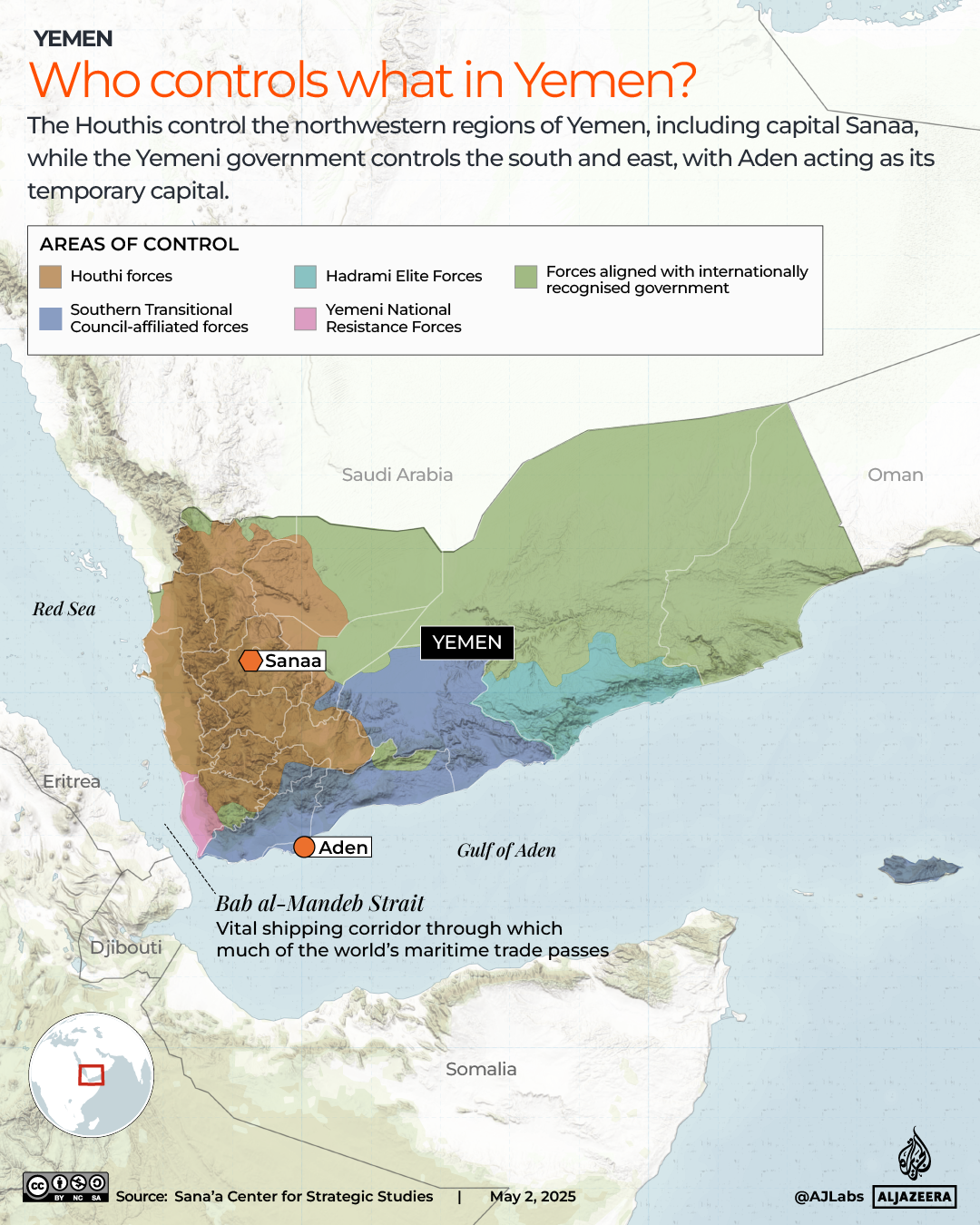
As both a provincial capital and one of yemen’s most fiercely contested cities,Taiz has endured immense hardship throughout years of conflict. Since 2016, Houthi forces imposed a blockade that drastically limited civilian movement along with access to essential food supplies and medical services. Even though some critical routes have recently reopened amid ongoing negotiations led by Houthis, humanitarian conditions remain precarious for many inhabitants.
A Brief Overview of Yemen’s Protracted Civil War
- The conflict began in late 2014 when Houthi rebels seized control over Sanaa-the national capital-and large portions across northern regions-forcing President Abdrabbuh Mansur Hadi’s government into exile abroad.
- A Saudi-led coalition intervened militarily starting early 2015 aiming to restore this internationally recognized governance but encountered entrenched resistance from multiple factions operating within Yemeni territory.
- Despite numerous UN-brokered peace attempts failing due to deep mistrust among parties involved-the situation somewhat stabilized following a ceasefire agreement reached in late 2022 which substantially reduced active hostilities though sporadic clashes continue today.
The Fragmentation Within Southern Yemen’s Political Landscape
The southern region remains divided under competing authorities such as the UAE-backed Southern Transitional Council (STC), which controls substantial areas while pushing for independence separate from northern governance structures.The STC commands armed units nominally aligned with international allies yet frequently enough acts autonomously against both Houthis and rival southern factions loyal to Sana’a-based officials.This intricate network complicates efforts toward unified peace or reconstruction across war-torn Yemeni territories.