Intensified Diplomatic Initiatives Aim to Defuse Iran Conflict Amid Strait of Hormuz Disputes
Iranian Officials Convene in Islamabad for Pivotal Peace Negotiations
A senior Iranian delegation has arrived in Islamabad to engage in critical discussions intended to resolve the ongoing six-week confrontation involving the United States, Israel, and Tehran. These talks, set for Saturday, seek to reinforce a fragile ceasefire that has been in place for two weeks but remains threatened by Iran’s persistent restrictions on maritime navigation through the strategically vital Strait of Hormuz.
Leading the Iranian delegation are parliamentary speaker Mohammad Bagher Ghalibaf and Foreign Minister Abbas Araghchi. Pakistan’s foreign ministry confirmed their arrival late Friday and reiterated Islamabad’s dedication to fostering meaningful dialogue among all stakeholders.
Pakistan’s Mediation: A Key Player in Regional Peace Efforts
Deputy Prime Minister and Foreign Minister Mohammad Ishaq Dar expressed cautious optimism regarding the upcoming negotiations. He emphasized Pakistan’s unwavering commitment to facilitating peace amid escalating tensions that jeopardize not only regional stability but also global energy markets.
Contentious Preconditions Challenge Progress Before Talks Begin
The path toward successful negotiations is complicated by Iran’s stringent demands prior to formal dialogue commencement. Ghalibaf insists that Israel must cease military operations in lebanon and that Washington unfreeze Iranian assets as prerequisites. These conditions underscore important obstacles still impeding diplomatic breakthroughs despite recent efforts.
“Two essential steps remain unmet: halting hostilities in Lebanon and releasing Tehran’s frozen financial resources,” Ghalibaf declared on social media platforms, highlighting these as indispensable for constructive engagement.
Cautious Optimism from U.S. Delegation Arriving in Islamabad
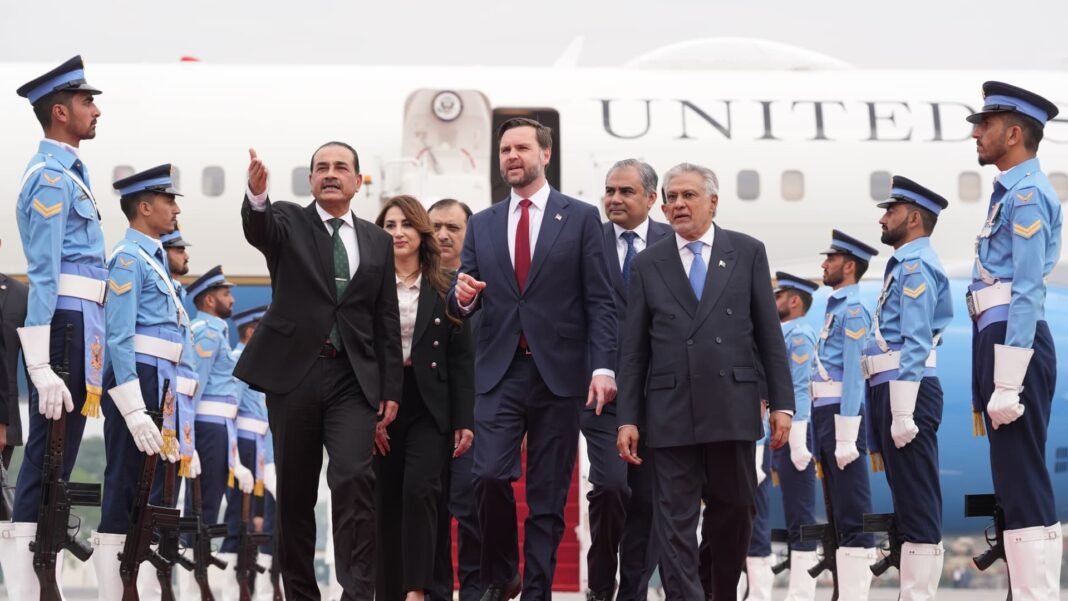
The American team arrived early Saturday under Vice President JD Vance’s leadership, accompanied by U.S.Special Envoy Steve Witkoff and former White House advisor Jared Kushner. Vance conveyed guarded hopefulness about reaching a positive resolution while warning Iran against actions that could erode trust during delicate negotiations.
The Strategic Importance of the Strait of Hormuz Amid Crisis
The Strait of Hormuz remains central due to its crucial role as a conduit for global energy supplies-approximately 21% of worldwide crude oil exports transit this narrow passage annually according to 2024 shipping data from international authorities.
Iran’s intermittent blockades have severely disrupted tanker traffic since hostilities escalated at the end of February 2026, intensifying volatility across international oil markets wiht ripple effects felt globally.
Former President Trump Criticizes Ongoing Maritime Restrictions
“Iran continues imposing fees on vessels passing through Hormuz-such measures must be halted immediately,” Trump stated emphatically via his preferred social media channels known for direct communication with his base.
“Their management of oil transit here violates our temporary ceasefire agreement,” he added forcefully following initial remarks condemning Tehran’s actions despite agreed terms aimed at reopening shipping lanes fully during this truce period.
Navigating Between Diplomatic Solutions and economic Imperatives
This standoff highlights how geopolitical conflicts intertwine deeply with global economic interests; any prolonged disruption at this chokepoint risks pushing crude prices well above current averages near $95 per barrel (as recorded mid-2026), thereby affecting transportation costs worldwide along with inflationary pressures impacting consumers everywhere.
- Mediation efforts: Pakistan plays an instrumental role facilitating peaceful dialogue amid complex regional dynamics;
- Tenuous ceasefire: Preconditions involving cessation of military activities elsewhere (notably Lebanon) alongside sanctions relief remain unresolved;
- Economic impact: The Strait continues serving as an essential artery supplying nearly one-fifth of global oil demand;
- Tense rhetoric: Statements from U.S leadership reveal frustration over perceived breaches threatening fragile peace initiatives;
A Complex path Forward Toward Sustainable Stability
The forthcoming discussions carry profound implications beyond Middle Eastern geopolitics-they directly affect international energy security given today’s heightened dependence on fossil fuels combined with intensifying rivalries spanning multiple fronts concurrently.
Achieving success will require compromises addressing both security concerns related to Lebanon alongside economic grievances tied closely into sanctions relief mechanisms influencing Tehran’s access abroad.
As diplomats gather under intense scrutiny from capitals worldwide monitoring every progress closely, each step forward could either open pathways toward de-escalation or extend uncertainty impacting millions far beyond immediate conflict zones.
This evolving scenario demands nuanced balancing acts where diplomacy intersects realpolitik amid shifting alliances shaping future trajectories across regions well beyond South Asia alone.