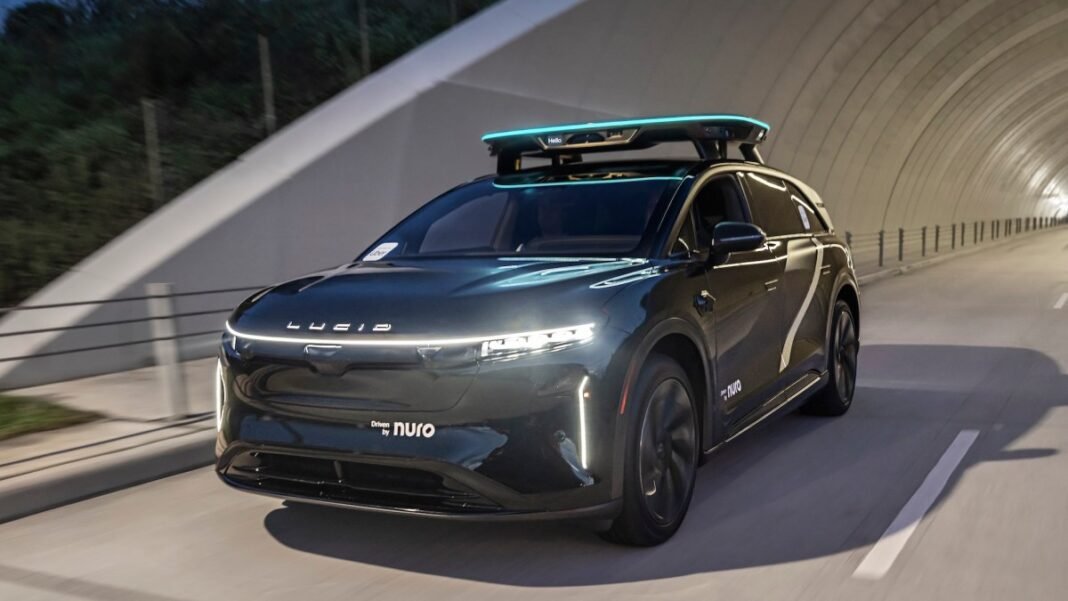
Uber to Launch Luxury Robotaxi Service in Houston by 2027
By mid-2027, Uber plans to unveil a premium robotaxi service in Houston, marking its second U.S. city rollout through a strategic partnership wiht electric vehicle innovator Lucid adn autonomous driving specialist Nuro.
Broadening the Reach of Autonomous Ride-Hailing
This initiative follows recent progress in the San Francisco bay Area, where Uber, Lucid, and Nuro are set to debut their robotaxi fleet later this year. The consortium aims to expand this cutting-edge service across multiple major metropolitan regions nationwide within the next few years.
Challenging Established Autonomous Mobility Leaders
The initial deployments will concentrate on San Francisco and Houston-two highly competitive markets where Uber will contend with Waymo, AlphabetS autonomous vehicle division that already operates commercial robotaxi services. This competition underscores the intensifying battle among technology giants striving for dominance in self-driving ride-hailing.
Advancements in Testing and Vehicle Technology
Nuro has been conducting extensive trials of Lucid Gravity SUVs outfitted with its proprietary autonomous driving system throughout San Francisco. Although these vehicles currently operate with safety drivers onboard, recent approvals from California regulators are paving the way for fully driverless rides soon. In fact, select Uber staff have already experienced hailing these advanced robotaxis during pilot programs.
Concurrently, an engineering fleet of around 100 autonomous vehicles is undergoing public road testing-with safety operators present-in Houston as well. These real-world tests are complemented by controlled simulations designed to ensure system robustness before opening rides to consumers. Production efforts for these state-of-the-art robotaxis are accelerating at Lucid’s manufacturing plant located in Arizona.
The Lucid Gravity: A Elegant Platform for autonomous Travel
The recently introduced Lucid Gravity model boasts an array of sophisticated sensors including ultra-high-definition cameras, solid-state lidar units, and radar systems that work together to deliver precise environmental awareness critical for safe navigation without human input.While Uber will oversee fleet management directly, it is also prioritizing passenger comfort through intuitive user interfaces and seamless interaction design inside each vehicle.
Building Infrastructure Tailored for Robotaxi Operations
To facilitate upcoming launches specifically in Houston, Uber has developed a extensive operational center featuring a 50,000-square-foot facility equipped with dedicated charging stations optimized for electric autonomous vehicles-highlighting its commitment toward enduring urban transportation solutions.
nuro’s Strategic Evolution through Collaborative Synergies
This partnership marks a pivotal shift for Nuro after it transitioned earlier this year from focusing solely on delivery robots toward broadly licensing its self-driving technology across automakers and mobility providers-a strategic response reflecting changing market dynamics dominated by competitors such as Tesla and waymo.
Robust Financial Support Accelerates Growth Trajectory
- Nuro Funding: As part of their deepening alliance aimed at fast-tracking autonomy advancements, Uber has invested approximately $500 million into Nuro’s growth efforts.
- Lucid Partnership: Additionally committing $500 million alongside agreements to acquire no fewer than 35,000 electric vehicles configured explicitly for future robotaxi deployment over coming years.
A Transformative Shift Toward Future Urban Mobility Systems
Together these investments signal a important evolution toward embedding premium driverless ride services into everyday urban transit options-potentially revolutionizing how millions commute while advancing sustainability objectives through electrification combined with automation technologies projected to reduce traffic congestion and emissions substantially by 2030 according to industry forecasts.