



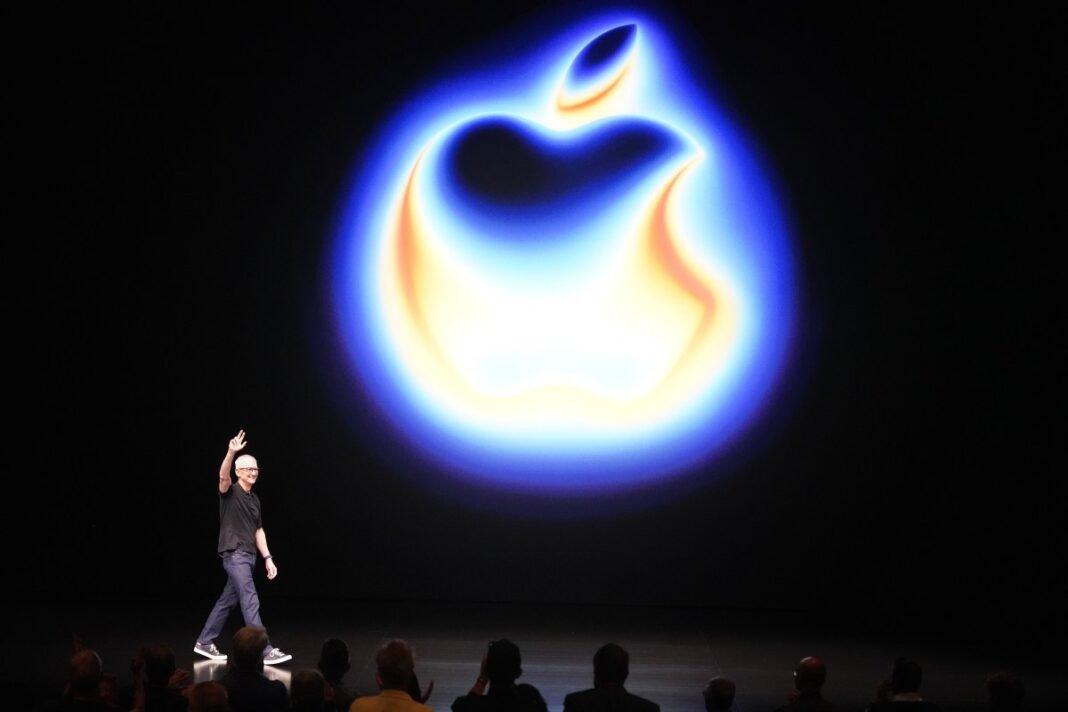
Apple Confronts Escalating Expenses Amid Worldwide Memory Chip Deficit
How AI Growth Fuels Hardware Component Scarcity
the rapid expansion of artificial intelligence technologies has sparked a severe worldwide shortage of memory chips, a crisis some experts refer to as “RAMageddon.” This scarcity is causing significant price surges for vital components such as DRAM and NAND flash storage, which are indispensable for smartphones, tablets, laptops, and other electronic devices.
Apple Signals Upcoming Price Increases for Consumers
Apple’s CEO has recently indicated that customers should prepare for higher prices on future Apple products. Despite the company’s efforts to mitigate soaring chip costs-which have reportedly increased by over 300% compared to last year-these expenses have reached a level where passing some of the financial burden onto buyers seems inevitable.
Which Apple Devices might See Cost Adjustments?
The CEO did not clarify exactly which product lines will be affected or when these price changes might take effect. However, industry analysts widely expect the iPhone lineup to be among the first impacted. With Apple’s next flagship iPhone release anticipated in September 2026, this launch could serve as an prospect to implement new pricing strategies. Other hardware likely facing cost pressures includes Mac computers, iPads, Apple Watch models, and emerging innovations like the Apple Vision Pro headset.
Financial Implications: What Buyers Should Expect
A recent study from market analysts estimates that maintaining profit margins amid rising chip prices could add roughly $270 to the cost of an iPhone Pro model. Given that current premium models start at approximately $1,099, this increase represents a substantial hike for consumers planning their purchases.
The Broader Impact Across Apple’s Product Range
- Mac Computers: High-end desktops and laptops depend heavily on fast memory modules; shortages may lead to production delays or elevated retail prices.
- iPads: Advanced tablets require complex storage solutions that are also constrained by global supply issues.
- Apple Watch & vision Pro: Wearable devices incorporating complex AI features demand efficient memory chips currently in limited supply worldwide.
The Balancing Act: integrating AI While Controlling Costs
Apart from hardware shortages driving component costs upward, Apple faces mounting pressure to embed competitive artificial intelligence capabilities within its ecosystem. The company has encountered challenges delivering promised AI functionalities in previous product cycles-highlighted by a recent $250 million settlement related to unfulfilled advertising claims about AI features.
This year’s Worldwide Developers Conference demonstrated progress toward meeting those commitments through improvements such as Siri’s redesign and expanded on-device machine learning functions.Yet these enhancements typically require more powerful memory resources inside devices-further straining already tight supplies and indirectly contributing to increased consumer prices.
An Industry-Wide Challenge: Semiconductor Shortages Beyond Tech Gadgets
The semiconductor crunch extends beyond consumer electronics; automotive manufacturers have also been severely impacted since 2020. as an example,Toyota announced cutting production by over one million vehicles during 2023 due to chip shortages*.This example underscores how critical reliable access to advanced semiconductors is across diverse industries-a reality now influencing tech giants like Apple as well.
“The convergence of accelerating AI innovation with limited hardware availability is fundamentally altering pricing structures throughout technology markets.”
Navigating Innovation Amid Supply Chain Pressures
The upcoming months will prove pivotal as Apple strives to balance ambitious technological advancements with escalating component expenses caused by ongoing global supply disruptions. Consumers should anticipate tighter profit margins reflected in retail pricing but can look forward to increasingly powerful devices featuring state-of-the-art artificial intelligence integrated directly into their hardware platforms.


