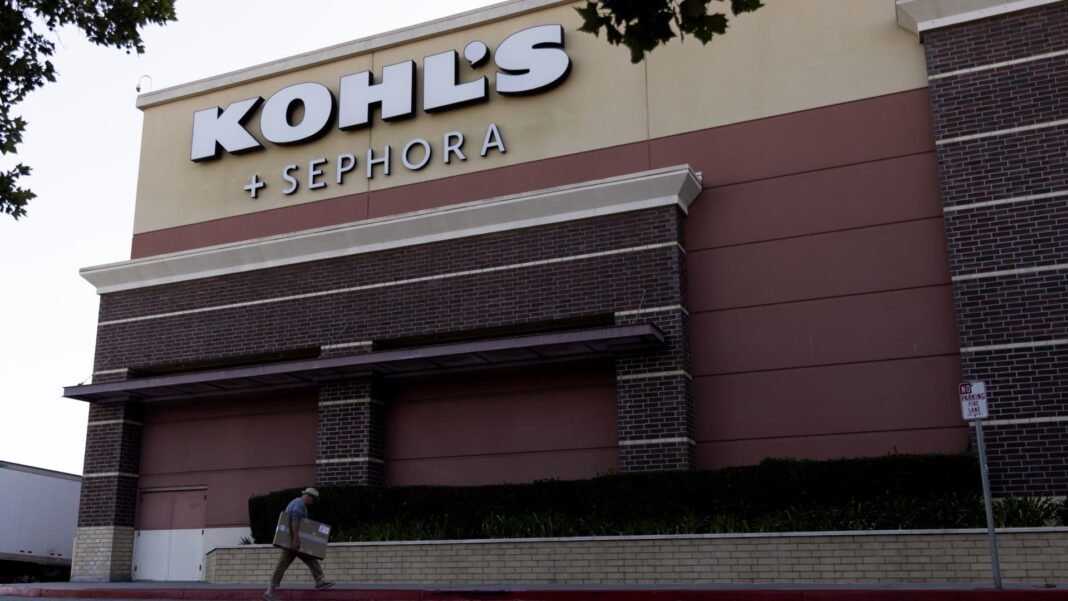
Kohl’s Retail Journey: Overcoming Obstacles and Embracing Renewal
Rediscovering Core Strengths Amidst Industry Change
Onc a dominant force in American retail, Kohl’s built its reputation by catering to middle-income consumers through savvy use of coupons, discounts, and loyalty incentives. This strategy secured a notable foothold within the department store sector for many years.
Yet recent times have seen Kohl’s stock value tumble by nearly 70%, mirroring persistent struggles with declining sales as consumer behaviors evolve rapidly. Inflationary pressures-consumer price inflation averaged around 5.0% in 2023-have tightened household budgets, forcing shoppers to be more selective.
In response, Kohl’s is doubling down on enhancing customer experience and streamlining product availability to encourage repeat visits. This renewed focus has sparked investor optimism; shares have climbed over 130% in the past year alone.
The Rise, fall, and Strategic Pivot of a Retail Giant
Kohl’s public debut came in 1992, reaching its peak during the early 2000s when department stores thrived nationwide. The retailer became known for exclusive brands like Sonoma Goods for Life alongside popular promotions such as Kohl’s Cash rewards programs. It stood shoulder-to-shoulder with competitors like Macy’s and Bloomingdale’s.
The company hit an all-time high stock price near $82 per share by late 2018 while generating revenues exceeding $20 billion in fiscal year 2019-a clear indicator of its then-robust market position.
the Impact of Losing Sight of Its Unique Value
Kohl’s momentum faltered when it shifted away from core customers by cutting back on coupon offerings and moving from proprietary brands toward off-price retail models. Thes changes alienated loyal shoppers who valued consistent deals and familiar products.
“retailers often stumble when they try to mimic others instead of embracing their unique customer base,” industry analyst Chuck Grom observed.
This strategic drift lead to stagnant sales growth, reduced foot traffic-including cuts to key categories like petites apparel and jewelry-and frequent leadership turnover that disrupted long-term planning.
competitive Pressures Intensify Market Challenges
- Walmart expanded aggressively by emphasizing low prices across broad categories;
- T.J. Maxx capitalized on growing demand for discounted brand-name merchandise;
- E-commerce giants such as Amazon increased competition through convenience paired with competitive pricing options;
Navigating Consumer Value Expectations During Inflationary Times
- inflation peaked at over 9% annual CPI increase mid-2022, significantly impacting household spending decisions;
- Kohl’s faced stiff competition from rivals marketing affordable yet quality merchandise tailored toward budget-conscious buyers seeking one-stop shopping experiences both online and offline;
The Confusion caused by Shifting Strategies
Sonia Lapinsky from AlixPartners highlighted how inconsistent focus-from athleisure trends one quarter to expanding private labels another-created uncertainty among customers about what Kohl’s truly represented:
“Frequent changes diluted customer expectations; people want clarity entering a store-not mixed messages.”
A Fresh Leadership Vision Sparks Hopeful Turnaround

Brought onboard as CEO during challenging times marked by falling apparel sales segments in late 2025, Michael Bender prioritized refocusing on proven pillars: exclusive brands combined with compelling coupons that guarantee dependable product availability at attractive prices.
“Historically we served families well through value plus convenience,” Bender explained.
“Reinstating those principles remains essential as customers still desire ease alongside savings.”
Earnings Reflect Early Signs of Progress
- Kohl’s reported $3 billion revenue for Q1 FY2026-exceeding Wall Street forecasts despite overall revenue contraction;
- The company projected full-year net sales between flat growth or slight decline (-2%), signaling cautious optimism;
- This earnings announcement triggered a notable stock surge exceeding +20%, reflecting renewed investor confidence;
Tapping Into Younger Audiences Through Innovative Partnerships

A vital element driving revitalization involves engaging younger generations traditionally less connected with department stores but highly influential today-especially Gen Z consumers attracted via Sephora shop-in-shops launched inside select locations nationwide since mid-2024.
“Sephora spaces creatively utilize floor area while introducing fresh clientele into our ecosystem,” noted Anderson from Jefferies Research.
“Although recent quarters showed minor setbacks here (-low single-digit declines), historically these partnerships have generated billions annually.”
cautious Optimism Amid Lingering Challenges
- T.D Cowen analysts recognize positive directional moves but remain cautious due to softness especially within apparel & footwear divisions;
- Simplified promotional strategies combined with inventory rebalancing are critical components supporting turnaround efforts;
- A continuing challenge lies in maintaining engagement among core credit card users amid shifting consumer preferences;
“To stand out effectively,” Lapinsky emphasized,
“Kohl’s must deliver unbeatable deals paired with an engaging shopping surroundings-the very factors drawing foot traffic away toward competitors otherwise.”
A Clearer Path Forward With Patience required
Bender concluded:
“We’re far from finished; this marks just initial progress toward enduring growth neighborhoods.
I want stakeholders aware we’re still early innings but moving decisively forward aligned behind clearer objectives then before.”