How Top Food Brands Are Navigating SNAP Benefit Limitations
The recent push to restrict the use of federal food assistance funds on sugary and highly processed products is creating significant challenges for leading U.S. food and beverage companies. These evolving regulations are prompting a strategic shift in how brands design their product lines and engage with consumers.
understanding the Effects of SNAP Restrictions on Food Retailers
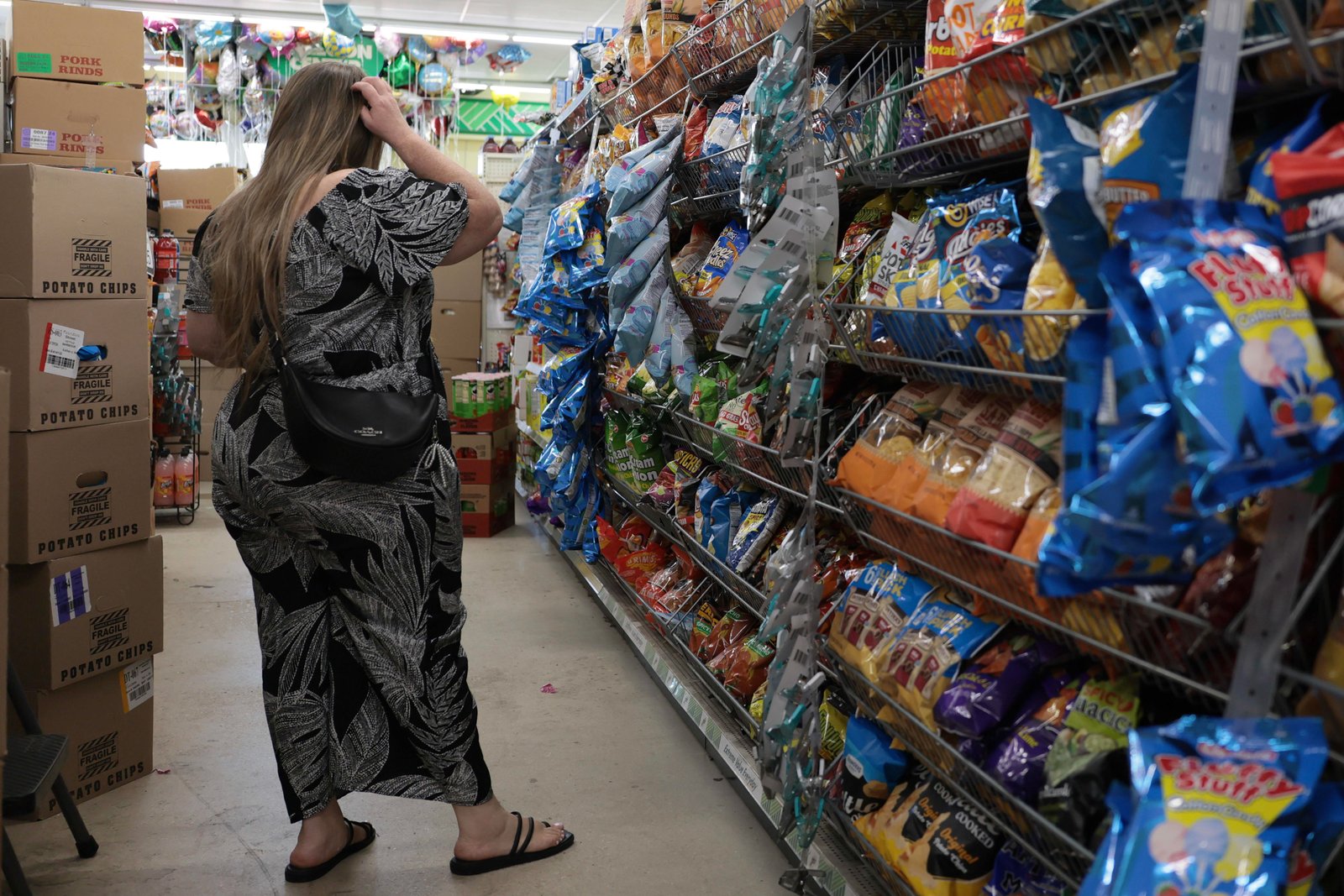
By mid-2024, 23 states have secured USDA approval to enforce limits on Supplemental Nutrition Assistance Program (SNAP) purchases, impacting roughly one-third of all program participants nationwide. According to market analytics firm Numerator, these restrictions could reduce food and beverage sales by as much as $830 million this year as shoppers modify their buying habits or cut back spending altogether.
Kroger’s CEO Greg Foran recently remarked that customers are feeling squeezed by both shrinking SNAP benefits and rising fuel prices,leading them to shop with greater caution and intention.
“Consumers are carefully managing their budgets and making purposeful choices at checkout,” Foran observed.
The Rise of Health-Centered Policies in Federal Nutrition Aid
Iowa has pioneered legislation inspired by the “Make America Healthy Again” (MAHA) campaign, targeting artificial dyes, ultra-processed foods in schools, and restricting certain items purchasable through SNAP. This law prohibits synthetic colorants like Red 40 and Yellow 5 from most K-12 school meals and vending machines while limiting SNAP recipients’ ability to buy sugary beverages and candy.
Iowa Governor Kim Reynolds emphasized that this initiative aims not only to improve current public health outcomes but also to secure better nutritional access for future generations through federal aid programs focused on wholesome foods.
Food Industry’s Proactive Response
Rather than waiting for further regulatory changes, manny manufacturers are actively adapting. At a recent industry event, Hershey shared insights from ongoing research involving direct interviews with Texas-based SNAP shoppers. The objective is to gauge how new purchase restrictions influence consumer behavior in real time.
“We’ve observed some hesitation among buyers at checkout since these rules took effect,” stated a Hershey spokesperson. “We anticipate clearer guidance will emerge as retailers adjust.”
This consumer feedback enables companies to forecast demand shifts-whether customers substitute restricted items or reduce overall spending-and tailor product reformulations or marketing strategies accordingly.
Main Corporations Most Affected Under New Regulations
- Kraft Heinz
- PepsiCo
- Coca-Cola
- General Mills
- Nestlé
- J.M. Smucker Company
The categories most vulnerable under these policies include sugary drinks, candies, snacks, and heavily processed foods produced by major players listed above. However, J.M. Smucker’s CEO Mark Smucker expects only limited impact so far due partly to narrow state waivers focusing mainly on candy and soda rather than baked goods like Hostess twinkies or Donettes-which recently experienced a 13% sales increase despite broader market headwinds.
Evolving Definitions Could Expand Restrictions Over Time
A number of states are considering broadening limitations beyond sweets toward packaged desserts and other processed snack items eligible under SNAP benefits-potentially affecting more product categories if adopted widely across jurisdictions in coming years.
the Complexities Added by Declining SNAP Enrollment
an estimated 3.5 million Americans have lost access to SNAP since last year due largely to tightened eligibility requirements nationwide-a factor exacerbating difficulties faced by low-income families struggling with inflation-driven grocery costs amid economic uncertainty.
larger Retailers Experience Revenue Shifts From Reduced government spending
- Walmart: Approximately one-quarter of all grocery dollars spent via SNAP nationally;
- Kroger: Holds about an 8% share;
- COSTCO: Around 6%;
- Amazon: Roughly 5% market share directly related;
This decline translates into less revenue flowing into major retailers reliant on government-assisted purchases-a trend driving supply chain adjustments including inventory management focused increasingly on healthier alternatives compliant with new guidelines.
Pushing Cleaner Labels: Accelerated Reformulation Efforts Across Industry
Beyond purchase restrictions themselves,the broader MAHA movement has motivated companies such as General Mills,Kraft Heinz,and Targetto publicly committo removing artificial colorsand additivesfrom key productsby2027or earlier.Nestléhas already achieved its goalof eliminating FDA-listed synthetic dyesacross its U.S.product range,a milestone reflecting growing consumer demandfor transparencyand cleaner ingredient listsin everyday foodsand beverages.
Toward Broader Public Health Measures: What Lies Ahead?
The Departmentof Healthand Human services Secretary Robert F.Kennedy Jr.has voiced supportfor banning junk-food advertisingon television,a move that could substantially reshape marketing approachesif enacted.Despiteno formal policy yet,this signals ongoing government interestin reducing unhealthy consumptionpatternsthrough multiple channels beyond just purchase limitations.
Navigating Future Challenges: Aligning Nutrition Goals With Business Realities
The shifting habitat surrounding federal nutrition assistance programs presents both hurdlesand opportunitiesfor food brands balancing regulatory compliance,evolving consumer preferences,and economic pressures.As policies tighten around sugar-sweetened beverages,candy,and ultra-processed foods,many companiesare investingin innovation,research,and educationto meethealthier standardswhile sustaining profitability.