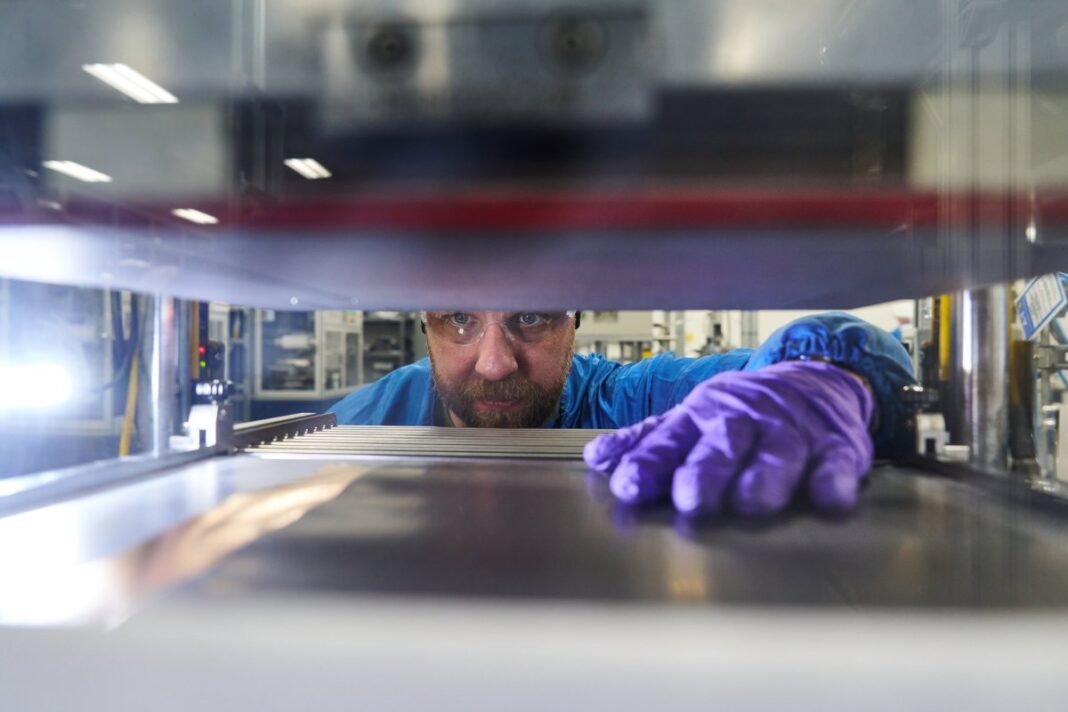
GM’s Bold Innovation: Transforming EV Battery Technology at the Warren Tech Center
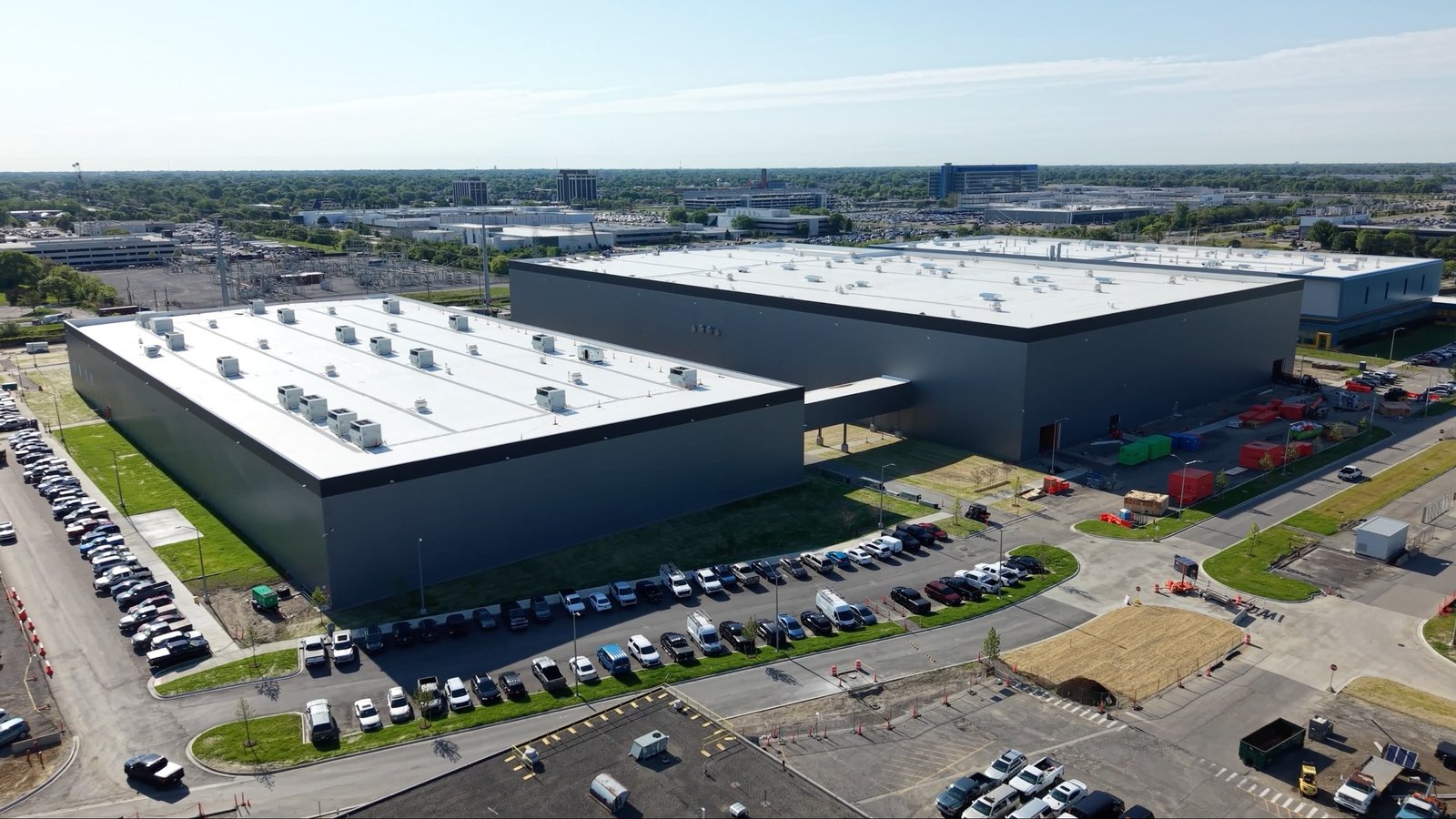
Within the sprawling campus of General Motors’ Warren Tech Center near Detroit lies a crucial hub spearheading the company’s enterprising $900 million push into electric vehicle advancements.
This extensive facility, covering 500,000 square feet across two buildings, houses GM’s state-of-the-art Battery Cell Development Center (BCDC). Though its exterior is modest, inside it holds transformative potential to cut electric vehicle battery costs by nearly 10%, a vital step toward making EVs more accessible to consumers.
Reaffirming Commitment Amid Market Challenges
Despite recent hurdles in the U.S. electric vehicle sector-including a $1.6 billion restructuring charge and workforce reductions-GM remains steadfast in accelerating innovation rather than scaling back. While updates on some full-size electric trucks and SUVs have been temporarily paused, GM is intensifying efforts to deliver affordable, high-performance batteries ahead of schedule.
Kurt Kelty, GM’s vice president of battery and sustainability and former Tesla battery expert, champions an innovative lithium-manganese-rich (LMR) chemistry that has become central to GM’s future product strategy during his two-year tenure.
The Shift from NMC to LMR: A New Era in Battery Chemistry
The U.S. battery industry has faced uneven progress over decades as early initiatives struggled while Chinese manufacturers surged forward with aggressive production tactics and control over key minerals like nickel and cobalt.
GM traditionally depended on nickel-manganese-cobalt (NMC) batteries for their high energy density but encountered rising raw material expenses that kept EV prices elevated. As a result, NMC will now be reserved mainly for premium models within GM’s lineup.
Conversely, LMR chemistry delivers nearly equivalent energy density at significantly lower cost-comparable to lithium-iron-phosphate (LFP) batteries found in entry-level vehicles such as the Chevrolet Bolt EUV. For instance, equipping an electric pickup like the Chevrolet Silverado with LMR cells could sustain its notable 400+ mile range while reducing battery costs by roughly $6,000-a major stride toward price competitiveness with conventional gasoline trucks.
The Critical Role of BCDC in Scaling Breakthroughs
The challenge extends beyond inventing new chemistries; reliably mass-producing them amid fierce global competition from companies like BYD and CATL is equally essential.To meet its accelerated goal of launching LMR-powered vehicles by 2028-one year earlier than planned-the BCDC serves as a vital bridge between laboratory discoveries and large-scale manufacturing plants located in Tennessee and Ohio.
Navigating Production Complexities: From Prototype Cells to Gigafactory Scale
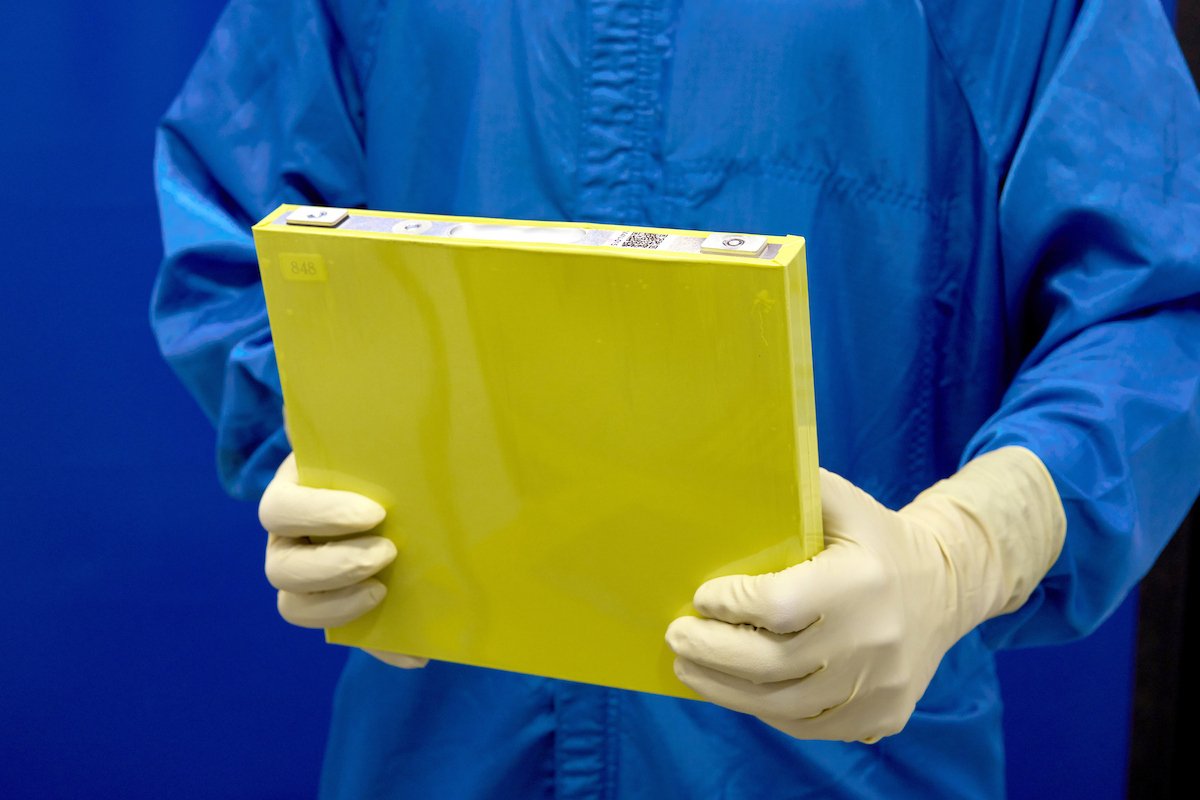
Batteries initially developed at research labs start as small coin cells before evolving into larger formats resembling compact cutting boards suitable for vehicle packs. Transitioning these formulations from lab prototypes to commercial-scale manufacturing presents significant technical challenges as processes don’t translate perfectly between sizes or volumes.
“achieving consistent production quality at scale is critical,” explains Kelty. “Moving from coin cell prototypes to mass manufacturing demands precise process optimization.”
The BCDC operates similarly to an advanced pilot line capable of producing approximately 2,500 cells daily-equivalent to about half a gigawatt-hour annually-which enables engineers to validate whether new chemistries are ready for full factory deployment without incurring prohibitive costs associated with large plants.
A Cost-Efficient Testing Environment
- The center uses equipment comparable but smaller than those found in massive facilities such as Ultium Cells LLC’s Tennessee gigafactory;
- Batches produced here help identify process improvements before scaling up;
- this approach minimizes risks during technology transfer between R&D teams and mass production lines;
- Batches cost around $200K each-far less expensive than full plant trials;
- The facility bridges innovations developed next door at Wallace Battery Cell Research Center with commercial factories producing millions of cells annually.
Pioneering Digital tools: AI-Driven Simulations Speed Innovation
Pushing technological boundaries further requires extensive use of artificial intelligence throughout design and manufacturing phases. At GM’s BCDC operations center:
- A digital twin replicates every detail-from machinery wiring diagrams down to mixing tank blades-to simulate real-world conditions virtually;
- this virtual environment allows preemptive troubleshooting ensuring equipment runs safely & efficiently before physical commissioning;
- Tens of millions CPU hours have been dedicated solely toward modeling how adjustments affect performance or yield rates; this computational effort rivals or surpasses traditional engine development programs;
- Sophisticated physics-based simulations predict impacts caused by changes in chemical formulations or assembly procedures helping avoid costly trial-and-error cycles onsite;
- This integration saves millions annually through reduced downtime during ramp-up phases while significantly shortening time-to-market compared with conventional methods.
“Our AI-powered digital twin lets us verify operational clearances around machines or test control system responses long before installation,” says Mo Gallegos head of BCDC operations.
“This foresight dramatically reduces debugging time enabling smoother transitions from pilot batches into mass production.”
A Global Race Where Speed Is Paramount
While U.S.-based EV sales have recently plateaued amid economic uncertainties affecting domestic consumer demand-with some quarterly data showing slight declines-the global market expanded approximately 20% last year driven largely by Europe & Asia-Pacific regions where government incentives remain strong.
With oil prices fluctuating unpredictably yet trending upward overall combined with ongoing decreases in lithium-ion cell costs-which fell nearly 90% over the past decade according industry forecasts-the transition away from fossil fuels appears inevitable if not imminent.
For American drivers concerned about range anxiety or affordability surrounding electrification efforts,batteries like LMR offer promising alternatives delivering competitive pricing without compromising driving distance . However success depends on flawless execution within facilities such as BCDC where innovation meets industrialization head-on.
Gallegos expects initial pilot runs rolling off assembly lines later this year marking critical milestones towards commercialization ahead.
Looking forward,the coming decade may witness breakthroughs rivaling-or even exceeding-the transformative impact internal combustion engines had throughout last century shaping automotive landscapes worldwide.
Kelty often stresses that developing “the right battery tailored precisely for each application” aligns closely with historic philosophies emphasizing versatility across product ranges ensuring accessibility despite budget constraints.Lithium-manganese-rich chemistry might just be frist among many breakthroughs emerging out this pioneering center poised reshaping future mobility paradigms forever.”