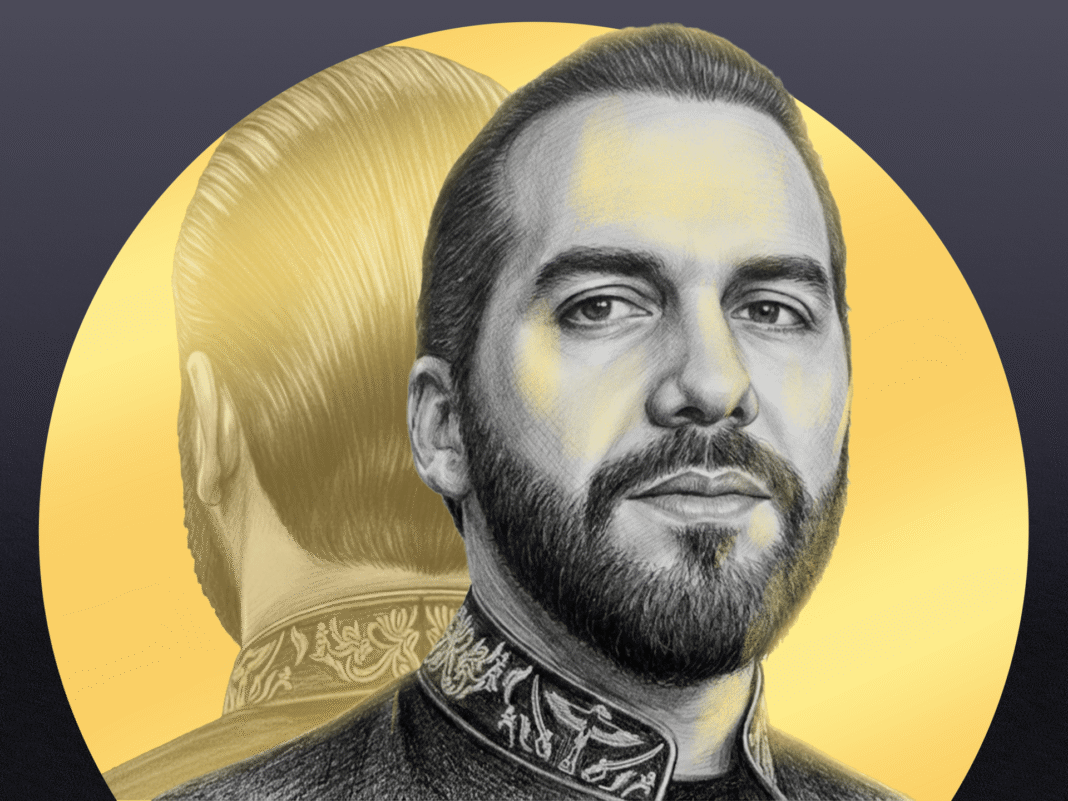
el Salvador’s Dramatic shift Under Nayib Bukele: Security, Authority, and Debate
Violence Erupts and a Nation Responds
In March 2022, El Salvador experienced an alarming surge in violence when gang members across the country received a stark command: “adelante” (“go ahead”). The infamous Mara Salvatrucha (MS-13) launched an intense wave of attacks that resulted in 62 deaths within a single day-the deadliest toll since the civil war. By the next day, fatalities had escalated to 87.
This violent outbreak was strategic rather than random; victims were deliberately left along roads leading to prominent tourist areas promoted by President Nayib Bukele. The gangs sought to intimidate government efforts and destabilize plans for national development.
A Sweeping State of Emergency and Its Consequences
bukele swiftly declared a nationwide state of emergency that suspended constitutional protections. This enabled authorities to detain suspected gang members-including minors-without formal charges or trials. Military checkpoints became widespread as individuals were forcibly removed from public transport for tattoo inspections linked to gang affiliation.
Within weeks, over 10,000 alleged gang affiliates had been arrested.by mid-2026, nearly two percent of el Salvador’s population-approximately one in every fifty citizens-was imprisoned under these policies, resulting in the world’s highest incarceration rate per capita. Legal experts have voiced concerns about potential human rights violations due to mass arbitrary detentions and severe prison conditions.
The Human Toll Behind Popular Approval
Despite numerous reports highlighting wrongful arrests and systemic abuses inside overcrowded prisons such as CECOT-a facility notorious for unsanitary conditions and allegations of torture-the majority of Salvadorans continue to support Bukele’s approach. A January poll revealed his approval rating at an extraordinary 92 percent amid plummeting crime rates from historic highs.
Many residents now feel secure enough to walk their neighborhoods at night without fear-a stark contrast with previous decades when extortion rackets controlled entire communities through terror tactics.
Nayib Bukele: From Business Roots to Political Dominance
bukele was born into an affluent family with Palestinian heritage during El Salvador’s civil war but grew up largely shielded from its hardships. His father was a prosperous businessman who also held influence within religious circles sympathetic to leftist guerrillas during the conflict.
Educated at elite bilingual schools before briefly attending law school, Bukele soon shifted focus toward managing family enterprises including nightlife venues with controversial reputations prior to entering politics at age 29.
Building a Distinct Political Brand
Bukele began his political journey distancing himself from conventional parties like FMLN despite initially running under their banner for mayoral posts in Nuevo Cuscatlán (2012) and San Salvador (2015). He adopted innovative branding strategies-eschewing party colors for neutral blue-and leveraged personal wealth alongside savvy social media campaigns promising rapid urban improvements such as LED street lighting installations and new community centers.
This strategy resonated with voters frustrated by entrenched corruption but also led municipalities into important debt due to aggressive spending without sufficient fiscal oversight.
The Influence of Family Dynamics
Bukele’s brothers have played crucial advisory roles throughout his career; Karim Bukele is often seen as more strategic while Nayib is viewed as impulsive yet charismatic-a dynamic that shaped campaign tactics including turning opponents’ critiques into viral slogans like “You’re too young.” This youthful image helped him defeat established politicians despite limited traditional political experience.
the Gang Crisis: Origins and Government Responses
The violent gangs dominating El Salvador today trace back primarily to refugee communities displaced during the civil war who settled in Los Angeles during the 1980s before being deported back decades later. These groups evolved around extortion rackets targeting local businesses rather than drug trafficking networks common elsewhere in Central America.
“The gangs exercised near-total control over territories,” explained a human rights advocate familiar with affected neighborhoods.
“Residents lived under constant threat-with women especially vulnerable to sexual violence.”
Punitive Measures Versus Social Realities
Previous administrations attempted fragile truces with imprisoned gang leaders which temporarily reduced homicide rates but ultimately failed amid renewed violence peaking above 100 murders per 100,000 inhabitants annually around 2015-the highest rate worldwide outside active conflict zones then known globally.
The state responded with harsh “mano dura” policies criminalizing youth gatherings indiscriminately while deepening mistrust between police forces and marginalized communities.
Bukele initially criticized these approaches but later embraced even more extreme security measures once president-including indefinite detention without trial under emergency laws-which critics argue disproportionately target impoverished populations instead of addressing root causes effectively.
A Presidency Marked by Media clashes & Institutional Overhauls
Elected president at just 37 years old with strong social media appeal dubbed “the world’s coolest dictator,” Bukele has cultivated an informal communication style sharply contrasting authoritarian governance practices such as replacing Supreme Court judges loyal solely to his party or intimidating independent journalists critical of his administration.
His government enacted restrictive laws severely penalizing reporting on crime sources while employing spyware surveillance against activists.

Tensions Within Democratic Institutions
- Dissolution of presidential term limits enabling indefinite re-election bids;
- MILITARY-backed intimidation tactics aimed at legislative opposition;
- Ineffectual dismissal of judicial rulings unfavorable toward executive actions;
- Cultivation of alliances abroad among right-wing influencers endorsing hardline policies;
- Labeled dissenters disparagingly while consolidating power centrally within family networks;
An Enterprising Yet Stalled Experiment: Bitcoin City Initiative
< p > Reflecting his tech-forward image ,Buk ele championed making El Sal vador first nation globally adopting Bitcoin officially . Partnering w ith American entrepreneur Jack Mallers ,he pushed legislation enabling cryptocurrency remittances via apps like Lightning . Plans included constructing Bitcoin City powered entirely b y volcanic geothermal energy funded through crypto bonds .< p > however ,the initiative faced backlash amid economic uncertainty : protests erupted ;Bitcoin ATMs vandalized ;and most small businesses refrained from using digital currency transactions .By early 2025,the project stalled indefinitely ,reflecting skepticism about volatile cryptocurrencies ‘ suitability fo r developing economies struggling w ith poverty reduction priorities .
< h1 > Security improvements Amid Rights Concerns
< p > Despite controversy surrounding mass incarcerations ,El Sal vador witnessed dramatic drops i n homicides -from peak levels exceeding 100 per 100k residents down t o approximately 1 .9 per capita b y mid -2024 -making it safer than many developed nations including th e United States.Merchants no longer pay extortion fees ;children play freely where once danger prevailed ;public spaces rejuvenate across cities previously controlled b y maras gangs .
< figure >< img src ="https://newsfeed24.website/wp-content/uploads/2026/05/localimages/339Y833-highres.jpg?w=770&resize=770%2C513&quality=80" alt ="CECOT prison complex housing thousands amid overcrowding crisis " >< figcaption > CECOT maximum-security prison opened i n January 2023 houses growing inmate population under harsh conditions [Salvadoran Presidency /AFP]
< h3 > Harsh Prison Conditions Raise global Alarm
< p > Overcrowding exceeds tenfold capacity inside facilities lik e CECOT where detainees suffer skin diseases ,lack adequate food/water,and endure physical abuse including tear gas use reportedly causing deaths.Some inmates face sexual assault allegations.The crackdown extends t o life sentences fo r children aged twelve or older approved recently raising ethical questions internationally regarding juvenile justice standards.International watchdogs warn systemic torture may be occurring inside these institutions despite official denials.The government maintains this severity is necessary t o prevent resurgence o f violent crime after decades-long instability caused immense suffering nationwide..
< h1 > Conclusion: Navigating Between Stability and Authoritarianism
< p > Nayib Buke le ‘ s tenure embodies profound contradictions : hailed domestically f or restoring safety yet condemned abroad f or eroding democratic checks.Beneath hi s youthful charisma lies centralized familial control wielding sweeping powers frequently enough unchecked.Both supporters praising newfound peace,and critics fearing dictatorship coexist amidst ongoing debates abou t balancing security needs wit hin human rights frameworks.El Sal vadors future will depend on whether it can sustain stability whil e rebuilding trust i n institutions capable o f protecting freedoms alongside public order.In this complex landscape,Buke le remains both symbol o f hope fo r many citizens tired o f chaos,and warning sign about dangers posed when power concentrates beyond accountability mechanisms essential t o democracy ‘ s health..